 0
0

 English
 简体中文
简体中文

Content
- 1 What Makes a Fabric Bench a Practical Furniture Choice
- 2 Choosing the Right Fabric Bench for Different Rooms
- 3 Fabric Types and Upholstery Considerations
- 4 Storage Features and Structural Design
- 5 Sizing, Weight Capacity, and Placement Tips
- 6 Maintenance and Long-Term Care
- 7 Integrating a Fabric Bench into Existing Decor
A fabric bench is a versatile piece of furniture that combines comfort, style, and function. Whether used in an entryway, bedroom, dining space, or living room, it provides seating while softening the overall look of the room. Compared with wood or metal benches, upholstered benches add warmth and are more comfortable for daily use. This article focuses on how to select, place, and maintain a fabric bench based on practical needs rather than decoration alone.
What Makes a Fabric Bench a Practical Furniture Choice
A fabric bench stands out because it balances softness with structural support. Upholstered seating reduces pressure on the body, making it suitable for tasks like putting on shoes, resting at the foot of the bed, or providing extra seating for guests. Modern fabric benches often include reinforced frames and dense foam, ensuring durability while maintaining comfort.
Another practical benefit is adaptability. Fabric benches are available in various sizes, upholstery types, and leg styles, allowing them to fit into small apartments or large open-plan homes. Many homeowners choose them as multifunctional furniture to reduce clutter and maximize usable space.
Choosing the Right Fabric Bench for Different Rooms
Entryway and Hallway Use
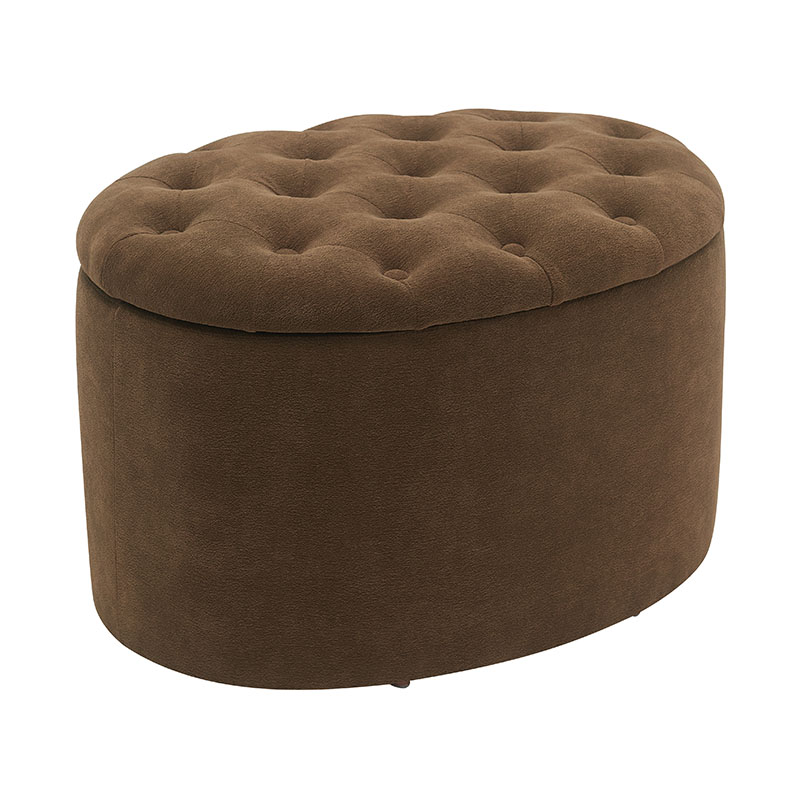
In an entryway, a fabric bench serves as a comfortable seat for removing shoes and can visually anchor the space. A fabric storage bench is especially useful here, offering hidden compartments for shoes, bags, or seasonal accessories. Look for durable upholstery that resists stains and can handle frequent use.
Bedroom Placement
A bedroom bench placed at the foot of the bed adds both function and balance to the room layout. It can be used for laying out clothes, sitting while dressing, or storing extra bedding. Upholstered bedroom benches with neutral fabrics tend to blend well with bedding and curtains, creating a cohesive look.
Living and Dining Areas
In living rooms, a fabric bench can act as additional seating without overpowering the space. In dining areas, upholstered benches are often paired with dining tables to provide flexible seating. When used this way, choose a bench with firm padding and easy-to-clean fabric to handle spills and extended sitting.
Fabric Types and Upholstery Considerations
The choice of fabric affects comfort, maintenance, and longevity. High-traffic areas benefit from tightly woven fabrics, while bedrooms allow for softer textures. Understanding fabric properties helps avoid premature wear and unnecessary replacement.
- Linen blends offer breathability and a relaxed appearance but may wrinkle easily.
- Polyester and microfiber are popular for fabric benches due to stain resistance and durability.
- Velvet provides a luxurious look and soft touch, best suited for low-traffic spaces.
Storage Features and Structural Design
Many modern fabric benches integrate storage without sacrificing comfort. Hinged tops, lift-up lids, or open shelving beneath the seat are common designs. These features are particularly valuable in small homes where space efficiency is critical.
| Storage Type | Best Use Case |
| Lift-Top Storage | Blankets, shoes, seasonal items |
| Open Shelf | Baskets, books, quick-access items |
Sizing, Weight Capacity, and Placement Tips
Before purchasing a fabric bench, measure the intended space carefully. The bench should allow enough clearance for walking paths and doors. Standard bench heights range from 18 to 20 inches, which aligns with most seating and bed heights.
Weight capacity is another important consideration. High-quality upholstered benches often support 250 to 400 pounds, depending on frame construction. For shared seating, look for solid wood or metal frames with reinforced joints.
Maintenance and Long-Term Care
Proper maintenance extends the life of a fabric bench and keeps it looking clean. Regular vacuuming removes dust and debris from the upholstery. For spills, blotting immediately with a clean cloth helps prevent stains from setting.
- Use fabric protectant sprays to improve stain resistance.
- Rotate cushions or seating areas if the design allows to prevent uneven wear.
- Follow manufacturer cleaning guidelines for deep cleaning.
Integrating a Fabric Bench into Existing Decor
A fabric bench works best when it complements existing furniture rather than competing with it. Neutral colors like gray, beige, or cream are easy to coordinate, while patterned upholstery can act as a focal point in simple interiors. Matching leg finishes with nearby furniture creates visual consistency.
By focusing on comfort, durability, and appropriate placement, a fabric bench becomes more than an accent piece. It supports daily routines, improves organization, and adds soft structure to living spaces without unnecessary complexity.