 0
0

 English
 简体中文
简体中文

Content
Understanding Faux Leather Sofas
Faux leather sofa has become increasingly popular due to their affordability, durability, and stylish appearance. Unlike genuine leather, faux leather, often made from polyurethane (PU) or polyvinyl chloride (PVC), mimics the look and feel of real leather without using animal products. This makes it a preferred option for those seeking an ethical and cost-effective alternative.
Modern faux leather sofas come in a variety of textures, colors, and finishes, allowing them to complement any interior design style. From classic black and brown to vibrant shades, these sofas offer versatility in decorating living rooms, offices, and commercial spaces. Additionally, faux leather is less prone to stains and easier to clean than genuine leather, making it highly practical for families and pet owners.
Key Advantages of Faux Leather Sofas
When considering a sofa for your home, understanding the advantages of faux leather can help make an informed choice. The key benefits include:
- Cost-Effective: Faux leather sofas are generally more affordable than genuine leather, providing a similar luxurious appearance at a fraction of the cost.
- Easy Maintenance: Regular cleaning involves just wiping with a damp cloth or using mild soap solutions, reducing the need for specialized leather care products.
- Durability: High-quality faux leather is resistant to scratches, fading, and cracking, especially when protected from direct sunlight and heat sources.
- Ethical and Sustainable: Being animal-free, faux leather aligns with vegan lifestyles and ethical consumption practices.
- Variety of Designs: Available in multiple textures, colors, and styles, faux leather sofas can fit modern, minimalist, or classic interior themes.
Types of Faux Leather and Their Uses
Faux leather comes in different types depending on material composition and production techniques. Understanding these variations can help you select the best sofa for your needs.
PU Leather Sofas
PU leather is made by coating a base fabric with polyurethane, resulting in a soft and flexible material. It is breathable, resistant to wear and tear, and offers a realistic leather look. PU leather sofas are ideal for everyday use in homes and offices due to their comfort and durability.
PVC Leather Sofas
PVC leather is less flexible but highly resistant to moisture and stains. It is commonly used in commercial settings or households with pets, as it can withstand spills and heavy use. PVC leather sofas are often more rigid but easier to clean than PU leather variants.
Choosing the Right Faux Leather Sofa
Selecting the right faux leather sofa requires considering both practical and aesthetic factors. Key aspects include:
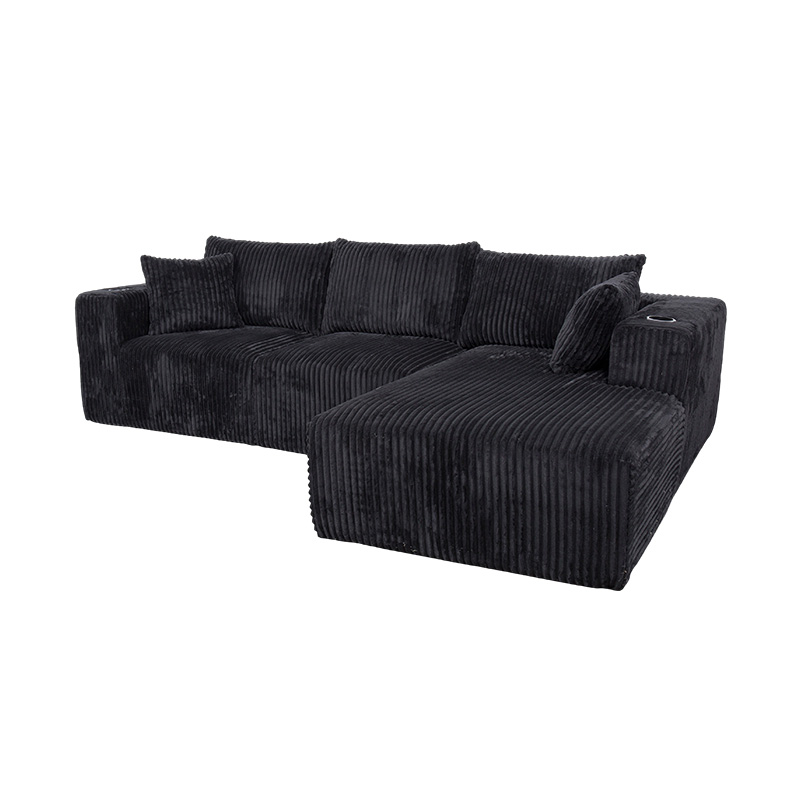
- Size and Layout: Measure your living space and choose a sofa that fits comfortably without crowding the room. Consider sectional sofas for larger spaces.
- Color and Finish: Choose a color that complements your décor. Matte finishes are modern and understated, while glossy finishes add a touch of luxury.
- Frame and Cushion Quality: Look for solid hardwood frames and high-density foam cushions to ensure longevity and comfort.
- Maintenance Needs: Consider how easy it is to clean and maintain the sofa, especially if you have children or pets.
- Budget: Balance your preferred style and durability with available funds, keeping in mind that high-quality faux leather can last many years with proper care.
Maintenance Tips for Longevity
Proper maintenance extends the life of a faux leather sofa while keeping it looking new. Follow these essential care tips:
- Regular Cleaning: Wipe the sofa with a soft, damp cloth weekly. For stubborn stains, use mild soap or a specialized faux leather cleaner.
- Avoid Direct Sunlight: Prolonged exposure to sunlight can cause fading or cracking. Position the sofa away from windows or use curtains to protect it.
- Prevent Scratches: Keep sharp objects away and trim pets’ nails to reduce the risk of damage to the surface.
- Condition Occasionally: Apply a faux leather conditioner to prevent drying and maintain suppleness.
- Immediate Spill Response: Quickly blot spills to prevent staining and avoid rubbing, which can spread the liquid.
Styling Your Faux Leather Sofa
Faux leather sofas can serve as the focal point of a living room or blend seamlessly into a minimalistic space. Here are some styling strategies:
- Layer with Textiles: Use throw blankets, cushions, and rugs to soften the look and add warmth to the sofa.
- Complementary Furniture: Pair with wooden, glass, or metal furniture for a balanced aesthetic. Consider side tables or coffee tables in contrasting textures.
- Accent Lighting: Highlight the sofa with floor lamps or wall sconces to create depth and ambiance.
- Color Coordination: Match or contrast sofa colors with wall paint, curtains, and décor accessories for a cohesive look.
Comparing Faux Leather with Genuine Leather
Faux leather sofas are often compared to genuine leather in terms of durability, comfort, and cost. The main differences are:
| Feature | Faux Leather | Genuine Leather |
| Cost | Affordable | Expensive |
| Maintenance | Easy, wipe clean | Requires conditioning and special cleaners |
| Durability | Resistant to scratches and stains, but may peel over time | Long-lasting, develops natural patina |
| Ethical Consideration | Animal-free, vegan-friendly | Animal product, ethical concerns |
Conclusion
Faux leather sofas are an excellent choice for anyone seeking style, practicality, and affordability. With proper care, a high-quality faux leather sofa can last for years, providing comfort and sophistication to your living space. By considering factors such as material type, maintenance requirements, size, and design, you can select the perfect sofa that aligns with your lifestyle and interior aesthetics.
Investing in a faux leather sofa not only enhances your home décor but also provides a versatile and ethical alternative to genuine leather. Whether you prefer a modern minimalist look or a classic traditional style, faux leather sofas offer a wide range of options that suit any living space.