 0
0

 English
 简体中文
简体中文

Content
Understanding Full-Foam Sofas
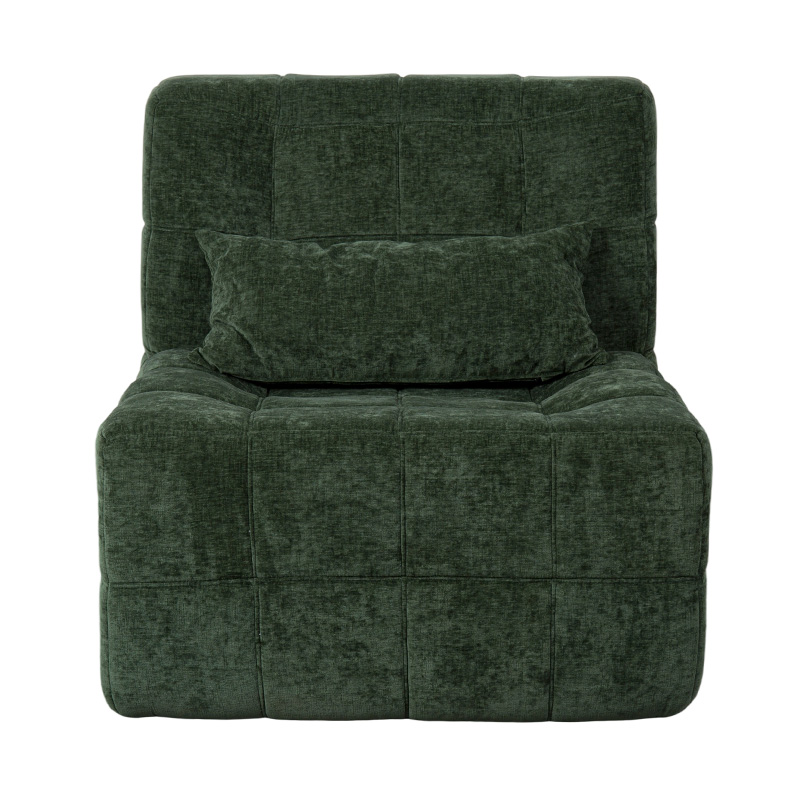
Full-foam sofa is designed entirely with foam cushions rather than using traditional springs or hybrid structures. This design ensures consistent comfort across the entire seating surface, making them ideal for those who value uniform support and softness. Foam densities vary, and choosing the right type is crucial for both comfort and longevity.
Types of Foam Used in Sofas
Not all foam is created equal. Different foams affect the feel, durability, and support of a full-foam sofa. Understanding the common types helps you make an informed purchase.
Memory Foam
Memory foam conforms to your body shape, providing excellent pressure relief. It is ideal for people with back or joint issues. High-density memory foam retains its shape longer but may feel firmer initially.
High-Density Polyurethane Foam
This foam is firm and supportive, offering good durability for everyday use. Sofas made with high-density polyurethane foam maintain their shape for years and are less likely to sag compared to low-density options.
Layered Foam Combinations
Some full-foam sofas use multiple layers of different foams. For example, a soft memory foam top layer combined with a firm high-density base provides a balanced combination of comfort and support.
Choosing the Right Full-Foam Sofa
When selecting a full-foam sofa, consider these practical factors to ensure you get the most comfort and longevity from your investment.
- Foam Density: Higher density foams last longer and provide firmer support, while lower density foams may compress quickly.
- Comfort Preference: Test sofas in-store or read reviews to understand how the foam feels over extended use.
- Size and Shape: Ensure the sofa fits your room layout and accommodates family members comfortably.
- Removable Covers: Covers that can be removed and washed make maintenance easier and extend the sofa's lifespan.
Maintenance Tips for Full-Foam Sofas
Proper care is essential to keep a full-foam sofa comfortable and looking new. Here are effective strategies:
Regular Fluffing and Rotation
Foam tends to compress in areas of heavy use. Fluffing the cushions and rotating them periodically helps maintain even support and prevents premature sagging.
Spot Cleaning and Stain Prevention
Use mild soap and water for spills and blot immediately. Consider applying a fabric protector to reduce stains and make cleaning easier.
Avoiding Direct Sunlight
Prolonged exposure to sunlight can degrade foam and fade upholstery. Place your sofa away from direct sunlight or use protective covers to extend its lifespan.
Comparing Full-Foam Sofas with Spring-Based Sofas
Understanding the differences helps you decide if a full-foam sofa suits your needs.
| Feature | Full-Foam Sofa | Spring-Based Sofa |
| Comfort | Even support, soft or firm depending on foam | Varies by spring type, can feel uneven over time |
| Durability | High-density foams last long if maintained properly | Springs may sag or squeak over years |
| Maintenance | Easier to maintain, rotate and fluff cushions | May require spring repair or padding replacement |
| Price | Moderate to high depending on foam quality | Varies widely, often less expensive initially |
Maximizing the Lifespan of Your Full-Foam Sofa
Investing in a high-quality full-foam sofa can provide years of comfort if cared for properly. Rotate cushions, clean regularly, and protect from direct sunlight. Avoid placing heavy objects on the sofa for extended periods, as foam can compress unevenly. With these small efforts, your sofa can remain supportive and comfortable for a decade or more.