 0
0

 English
 简体中文
简体中文

Content
- 1 High-Density Foam Selection Determines Lifespan
- 2 Layered Foam Construction Replaces Spring Systems
- 3 Customization and Design Flexibility
- 4 Durability Testing and Quality Assurance
- 5 The Production Advantage of In-House Sponge Manufacturing
- 6 Global Logistics and Reliable Delivery
- 7 Long-Term Value and Partnership Support
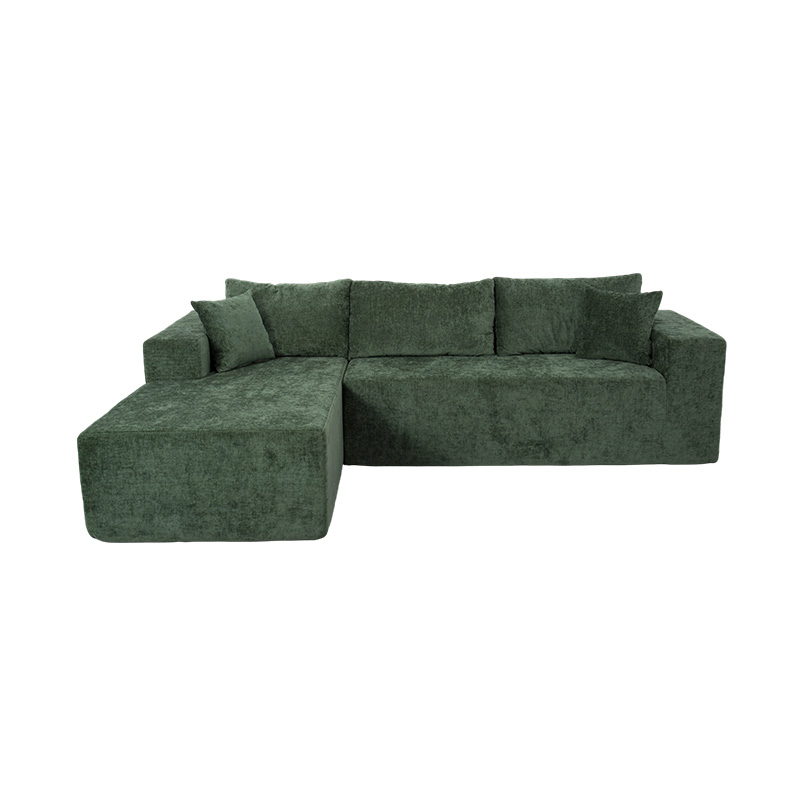
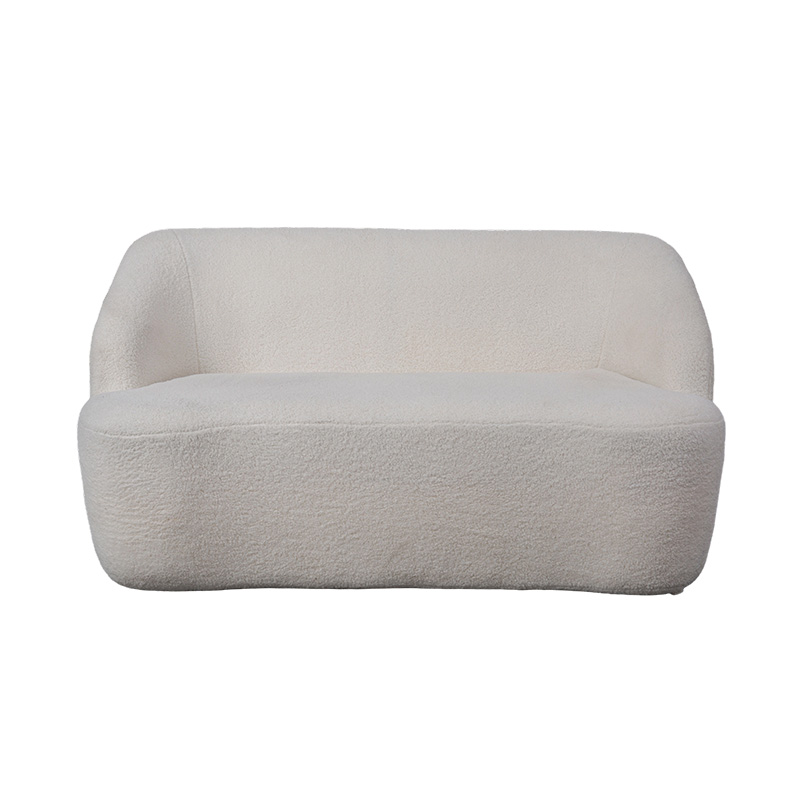
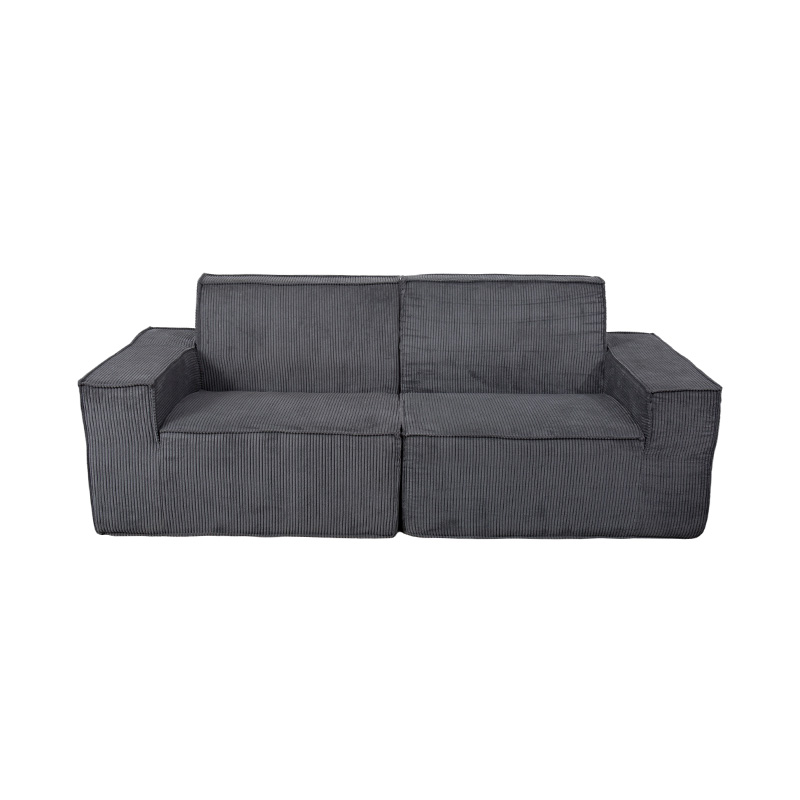
In modern furniture manufacturing, the shift away from traditional metal springs towards engineered foam cores has reshaped the seating industry. A full-foam sofa, built entirely with high-resilience foam without any spring system, delivers consistent comfort, reduced weight, and streamlined production. When sourced from a specialized factory with over 15 years of hands-on experience, these sofas offer buyers a compelling combination of durability and custom design flexibility.
The key to a reliable full-foam sofa lies in foam density, layered construction, and rigorous quality checks – all of which are guaranteed when working with a manufacturer that controls its own sponge production and finishing processes under one roof.
High-Density Foam Selection Determines Lifespan
The longevity of a full-foam sofa is directly linked to the density of the polyurethane foam used in its core. Density, measured in kilograms per cubic meter (kg/m³), indicates how much material is packed into the foam. A higher density means more cells per unit volume, which translates to better support and resistance to sagging. For residential seating, a minimum density of 28 kg/m³ is common, but our factory uses a standard of 32 kg/m³ for seat cushions to extend product life. For high-traffic commercial environments such as hotel lobbies or restaurants, we recommend and supply foam with a density of 45 kg/m³ or higher. Below is a comparison of foam grades.
| Density (kg/m³) | ILD (lbs) | Typical Use | Expected Lifespan |
|---|---|---|---|
| 25–28 | 25–30 | Back cushions, armrests | 3–5 years |
| 32–35 | 33–38 | Residential seat cushions | 7–10 years |
| 40–45 | 45–55 | Commercial seating, heavy use | 10–15 years |
By operating our own sponge factory, we maintain exact specifications and verify density on every batch. Clients can even request a custom density blend, for instance, a dual-layer cushion with a firm 35 kg/m³ core and a soft 28 kg/m³ top layer.
Layered Foam Construction Replaces Spring Systems
Traditional sofas rely on sinuous springs or coil units that can squeak, sag, and add significant weight. A full-foam sofa eliminates these metal components through a carefully engineered multi-layer system.
- Base layer – high-density firm foam (often 28–35 kg/m³) cut to form the seat box and back frame.
- Comfort layer – viscoelastic memory foam or supersoft foam, 5–10 cm thick, for initial softness.
- Wrapping – polyester fiber (Dacron) to provide a smooth crown and eliminate wrinkles in the upholstery.
This construction reduces total weight by 20–30% compared to a spring-based sofa of the same size. A typical full-foam 3-seater weighs 38 kg, making it easier to handle, ship, and rearrange without compromising structural integrity.
Customization and Design Flexibility
Our factory, established in 2009 in Zhejiang and now operating a larger facility in Anhui since 2019, has built a reputation for turning customer sketches into production-ready samples within 10–15 working days. We support a wide range of custom requests:
- Seat depth and back height adjustment (±5 cm standard range)
- Choice of over 200 upholstery fabrics and leathers with flame retardant certifications (BS5852, CA117)
- Modular and sectional configurations for L-shaped or U-shaped layouts
- Arm style variations: track, rolled, or pillow arms
- Leg finish and height options in metal or solid wood
In-house sponge production allows us to adjust foam hardness for different market preferences – European clients often request softer seats (ILD 28–32), while North American buyers prefer firmer support (ILD 35–40). All custom orders are supported by a dedicated project manager who oversees sampling, testing, and final shipment.
Durability Testing and Quality Assurance
Every full-foam sofa design undergoes a series of performance tests to verify its longevity and comfort retention.
- Cyclic seat load test: a 100 kg weight is applied 120,000 times; the sofa must show less than 5% height loss and no structural damage.
- Resilience ball rebound test: a steel ball dropped from a fixed height must rebound at least 50% of the drop height, confirming foam elasticity.
- Static load test: 130 kg load applied for 24 hours on the seat center; permanent indentation must be below 10 mm.
Our in-house sponge factory cures foam under controlled temperature and humidity, guaranteeing consistent cell structure. All finished sofas are inspected for stitching, seam strength, and leg alignment before packaging.
The Production Advantage of In-House Sponge Manufacturing
One of the strongest differentiators of our supply chain is the ownership of a dedicated sponge factory alongside the finished product assembly line. This integration cuts raw material lead times and eliminates the quality variability that can occur when sourcing foam from third-party suppliers. By producing our own foam, we reduce material costs by approximately 15%, savings that are reflected in our FOB quotations. We can pour foam with a density deviation of only ±1 kg/m³, which is critical for maintaining identical seating comfort across thousands of units. In our Anhui facility, foam blocks are cut using CNC contour machines for precise shape, ensuring every cushion matches design specifications exactly.
Global Logistics and Reliable Delivery
Since 2009, our products have reached retailers and distributors across the United States, Canada, and Europe. We optimize container loading with flat-pack or knockdown options for full-foam sofas, reducing freight volume by up to 30%. The lighter weight of foam-only construction further lowers shipping costs per unit. We offer mixed container loads combining different models, and our warehouse logistics team provides documentation support for customs clearance. Consistent order fulfillment is backed by a 15-year track record and two production bases, which give us the flexibility to scale output during peak seasons.
Long-Term Value and Partnership Support
Investing in a full-foam sofa program from a factory with integrated foam manufacturing and over a decade of export experience provides a clear competitive edge. The absence of springs means a simpler product with fewer warranty claims related to broken coils or sagging. By working directly with the production source, importers can maintain consistent quality, receive flexible customization, and benefit from cost savings that improve retail margins. As the global market continues to shift toward lightweight, durable, and design-flexible furniture, a full-foam sofa line is a strategic addition that meets modern consumer demands.