 0
0

 English
 简体中文
简体中文

Content
- 1 Understanding the Structure of a Faux Leather Storage Ottoman
- 2 Typical Weight Limits
- 3 Factors That Affect Weight Capacity
- 4 Practical Tips for Using Your Faux Leather Storage Ottoman Safely
- 5 Comparing Faux Leather Storage Ottomans to Other Seating Options
- 6 Common Misconceptions About Weight Capacity
- 7 Choosing the Right Faux Leather Storage Ottoman Based on Weight Needs
- 8 Conclusion
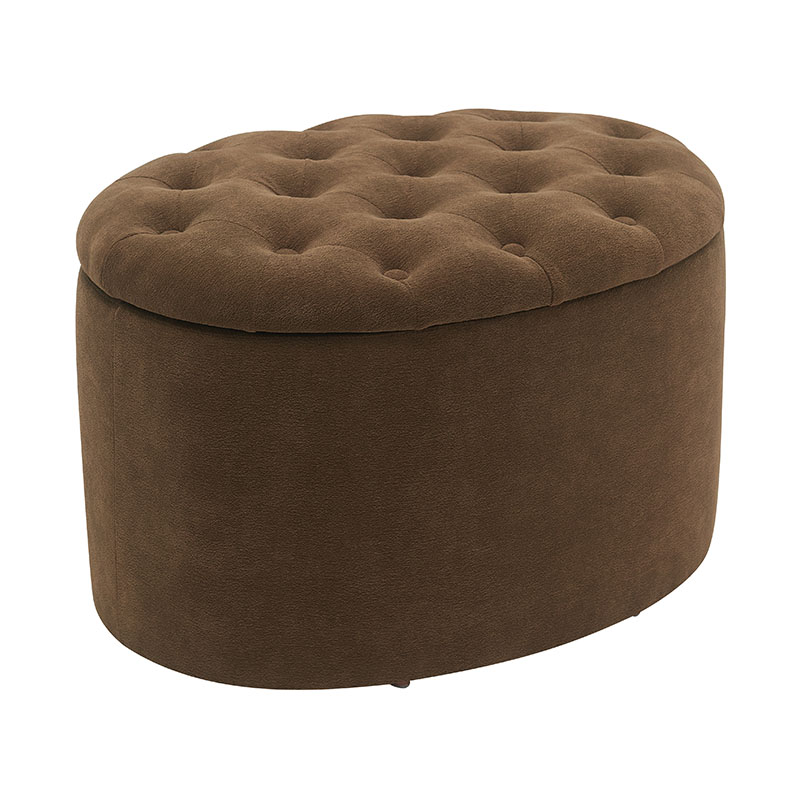
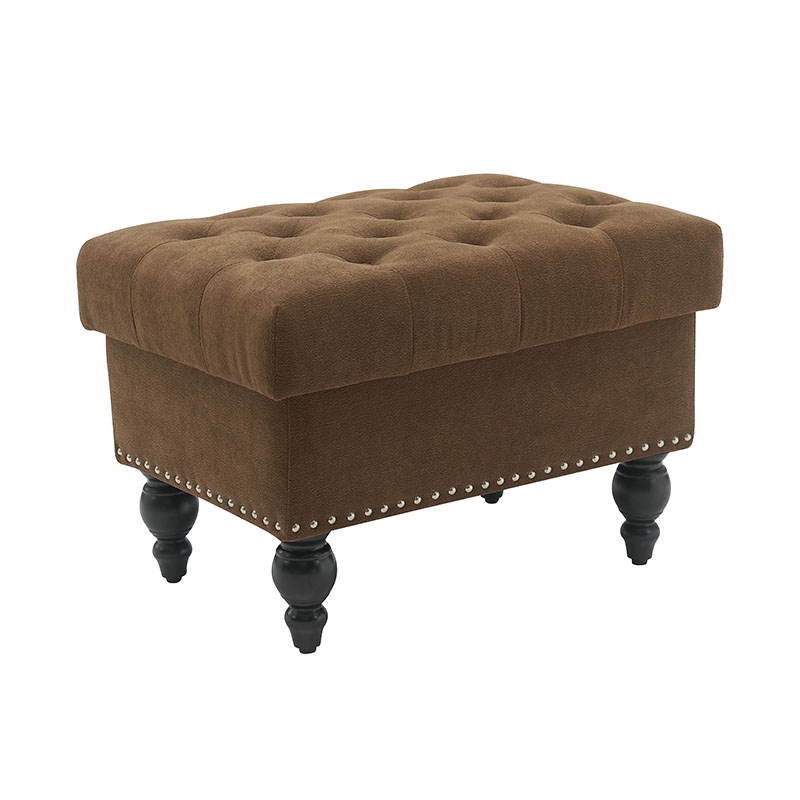
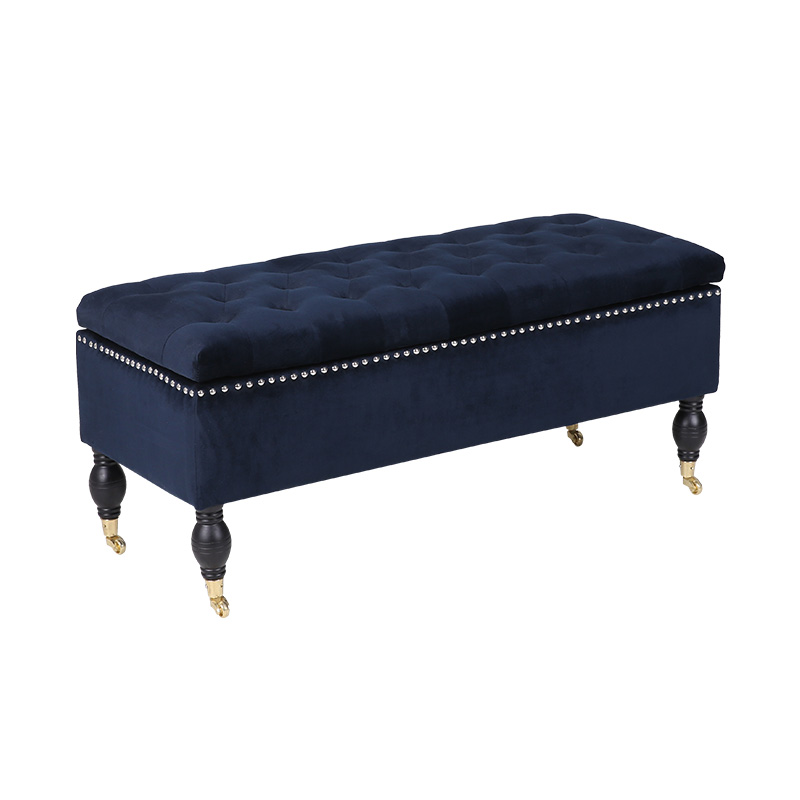
A Faux Leather Storage Ottoman is more than just a stylish addition to your living room or bedroom. Its combination of comfort, utility, and design makes it a versatile piece of furniture. One of the most common questions many people have when purchasing or using a Faux Leather Storage Ottoman is: how much weight can it hold? Understanding this is essential for safety, longevity, and practical use.
Understanding the Structure of a Faux Leather Storage Ottoman
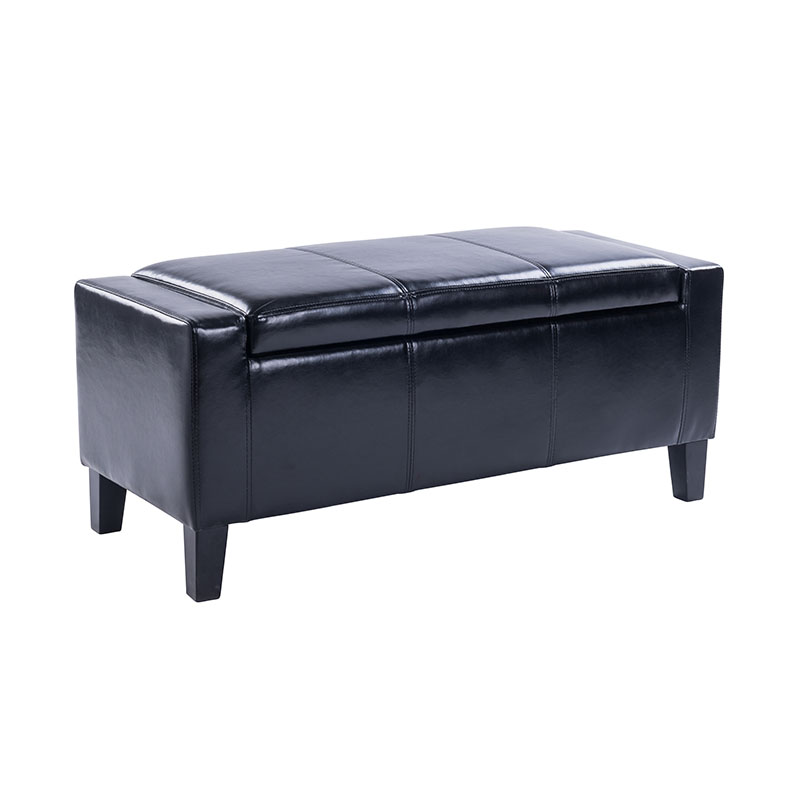
To answer the weight question accurately, it helps to know what a Faux Leather Storage Ottoman is made of and how it’s constructed. Unlike solid wood furniture, these ottomans combine lightweight frames, foam padding, and faux leather upholstery.
Key components include:
-
Frame:
Most Faux Leather Storage Ottomans have a wooden or metal frame. Solid wood frames, especially those made of hardwood like oak or beech, are generally stronger and can hold more weight. Metal frames provide durability but can sometimes limit height or cushioning thickness. -
Cushioning:
The top surface usually contains foam padding or fiberfill. While it adds comfort, this layer is not structural—it cannot support excessive weight beyond what the frame allows. -
Faux Leather Covering:
Faux leather is a synthetic material designed to mimic real leather. While it adds aesthetic appeal and easy maintenance, it does not contribute significantly to structural support. -
Storage Compartment:
Storage ottomans often include a hollow interior for storing items like blankets, magazines, or toys. This hollow design can slightly reduce the maximum weight capacity compared to solid-top ottomans.
Typical Weight Limits
The weight a Faux Leather Storage Ottoman can hold varies depending on its design, frame material, and overall quality. On average:
- Small ottomans (less than 18 inches in width): Typically support 100–150 lbs (45–68 kg).
- Medium ottomans (18–24 inches in width): Usually support 150–250 lbs (68–113 kg).
- Large ottomans (over 24 inches in width): Can support 250–300 lbs (113–136 kg), sometimes more depending on construction.
It is important to note that these numbers represent static weight capacity, meaning weight applied evenly when sitting or placing objects on top. Dynamic weight, such as jumping or standing on the ottoman, can exceed its limit and damage it.
Factors That Affect Weight Capacity
Several factors can influence how much weight a Faux Leather Storage Ottoman can safely hold:
-
Frame Material:
- Solid hardwood frames tend to hold more weight than particleboard or MDF.
- Metal frames offer strong support but can bend if the gauge is too thin.
-
Construction Quality:
- Ottomans with reinforced corners, cross supports, or sturdy legs are generally more stable.
- Glue-only construction without screws or dowels may reduce weight capacity.
-
Leg Design and Placement:
- Ottomans with four well-distributed legs support more weight evenly.
- Central legs or wider bases provide extra stability.
-
Top Cushion Thickness:
- Thicker foam may feel comfortable but can compress under heavy weight, reducing long-term durability.
-
Storage Design:
- Hollow interiors designed for storage can slightly weaken the structural integrity compared to a fully solid frame.
-
Age and Wear:
- Over time, repeated use may loosen joints or compress foam, lowering the weight limit.
Practical Tips for Using Your Faux Leather Storage Ottoman Safely
Even if your ottoman is rated for a certain weight, following some safety guidelines ensures it lasts longer and prevents accidents:
-
Avoid Standing or Jumping:
Faux Leather Storage Ottomans are designed for seating or storage, not for standing. Jumping can break the frame or damage faux leather. -
Distribute Weight Evenly:
If placing multiple items on the top, spread the weight across the surface rather than concentrating it in one spot. -
Check Manufacturer Guidelines:
Always consult the user manual or product specifications for the maximum recommended weight. -
Use as Intended:
Using the ottoman for storage and occasional seating is ideal. Overloading it with heavy furniture or appliances can compromise the structure. -
Inspect Periodically:
Check for loose screws, weakened corners, or sagging foam, which indicate that weight capacity may be decreasing. -
Add Reinforcements if Needed:
For heavy-duty use, consider adding support boards inside the storage compartment to strengthen the base.
Comparing Faux Leather Storage Ottomans to Other Seating Options
If weight capacity is a major concern, it’s helpful to understand how Faux Leather Storage Ottomans compare to similar furniture:
- Fabric Storage Ottomans: Typically have similar weight limits, though some reinforced designs can hold slightly more.
- Solid Wood Benches: Can support 400 lbs or more but usually lack storage and may be bulkier.
- Faux Leather Chairs: May provide more structured seating but take up more space and are less versatile.
In general, Faux Leather Storage Ottomans strike a balance between utility, comfort, and moderate weight capacity. They are ideal for casual seating, footrests, or light storage, rather than as primary seating for heavy individuals.
Common Misconceptions About Weight Capacity
-
“Faux leather means weak support.”
While faux leather itself does not support weight, the frame underneath does most of the work. High-quality ottomans can support substantial weight despite the synthetic covering. -
“All ottomans hold the same weight.”
Weight capacity varies greatly depending on size, materials, and construction. Always check specifications before buying. -
“Storage compartment reduces strength significantly.”
While storage interiors can slightly reduce strength, many designs compensate with internal reinforcements, making them strong enough for standard seating.
Choosing the Right Faux Leather Storage Ottoman Based on Weight Needs
When selecting a Faux Leather Storage Ottoman, consider the following:
-
Who will use it?
Adults or children? Will pets sit on it? Consider the maximum expected weight. -
Primary function:
Is it mostly for storage, seating, or both? Ottomans used as seating should have a sturdier frame. -
Room layout:
Larger ottomans distribute weight better, making them suitable for multiple users. -
Build quality over price:
Cheaper ottomans may save money upfront but often have lower weight capacities and shorter lifespans.
Conclusion
A Faux Leather Storage Ottoman is a versatile and stylish piece of furniture, but knowing its weight capacity is crucial for safe and effective use. Most standard ottomans support between 100 to 300 lbs, depending on size and construction. Factors such as frame material, leg design, cushioning, and storage structure influence the actual limit. By using the ottoman responsibly, checking manufacturer specifications, and performing periodic inspections, you can maximize both its lifespan and functionality.
Whether you are using it as a seat, a footrest, or a storage solution, understanding how much weight your ottoman can handle ensures it remains a safe and practical addition to your home for years to come.