 0
0

 English
 简体中文
简体中文

Content
When shoppers walk into a showroom or browse online for a new sofa, they are usually drawn first to color, shape, and style. But the most important question — how long will this sofa actually last — is answered not by what you see on the outside, but by what is hidden inside. Full-foam sofas have emerged as one of the most durable and design-forward seating solutions on the market today, and understanding why starts with knowing how they are built.
What Is a Full-Foam Sofa?
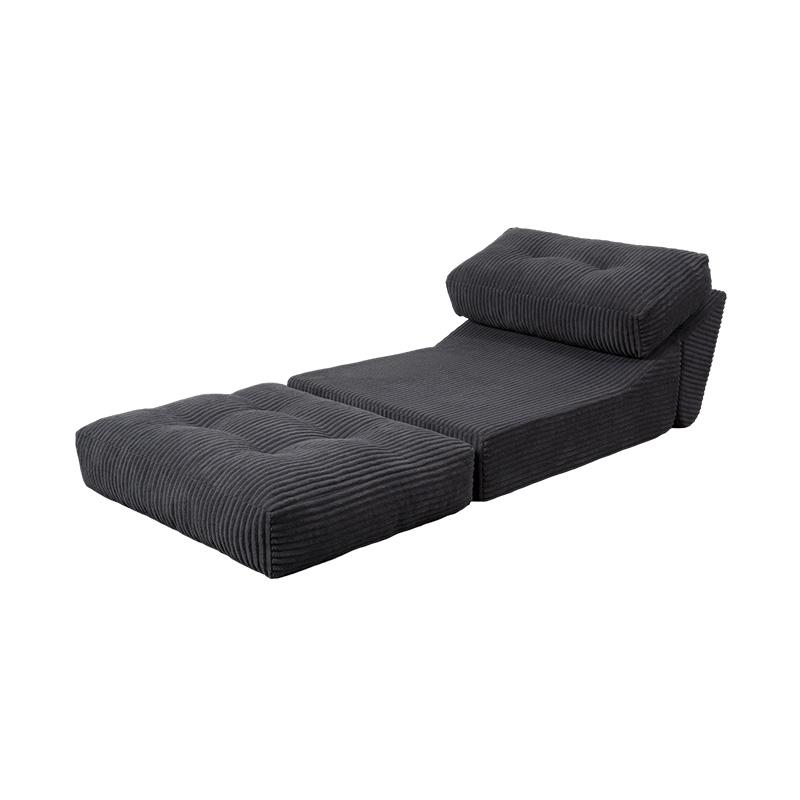
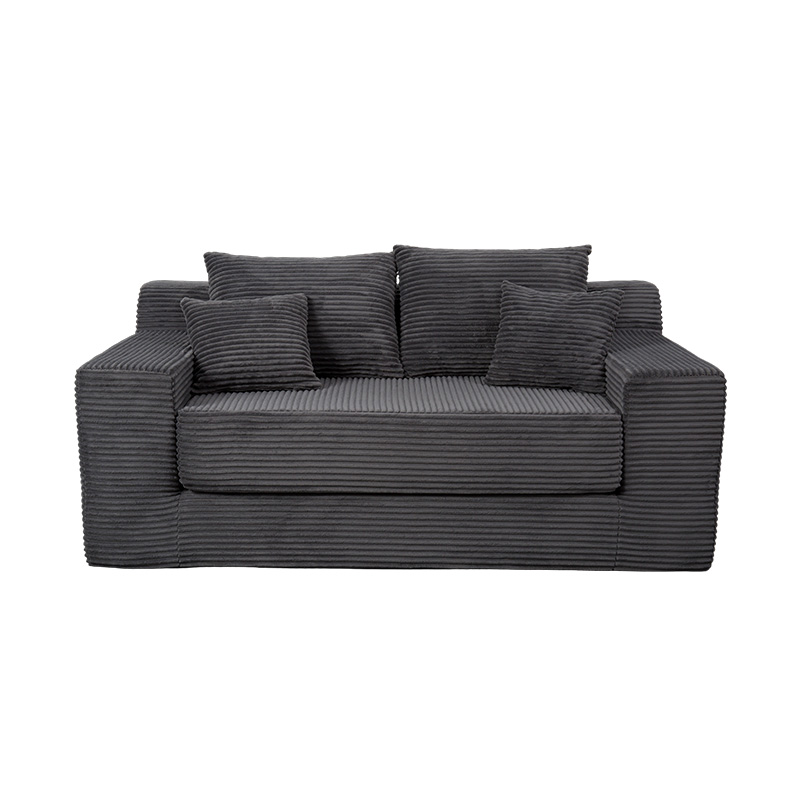
A full-foam sofa is a seating design where the structural core, cushioning, and body support are all provided entirely by layered foam — with no internal metal spring system or traditional hardwood frame required to maintain shape. Instead of relying on springs and coils to push back against weight, a full-foam sofa distributes pressure evenly through engineered foam blocks that work together as a unified support system.
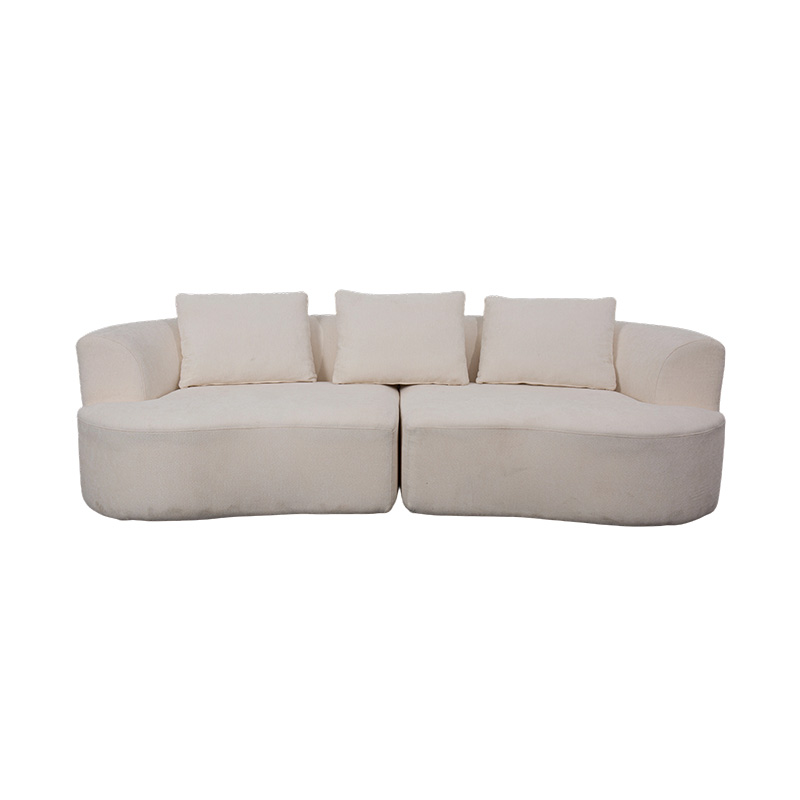
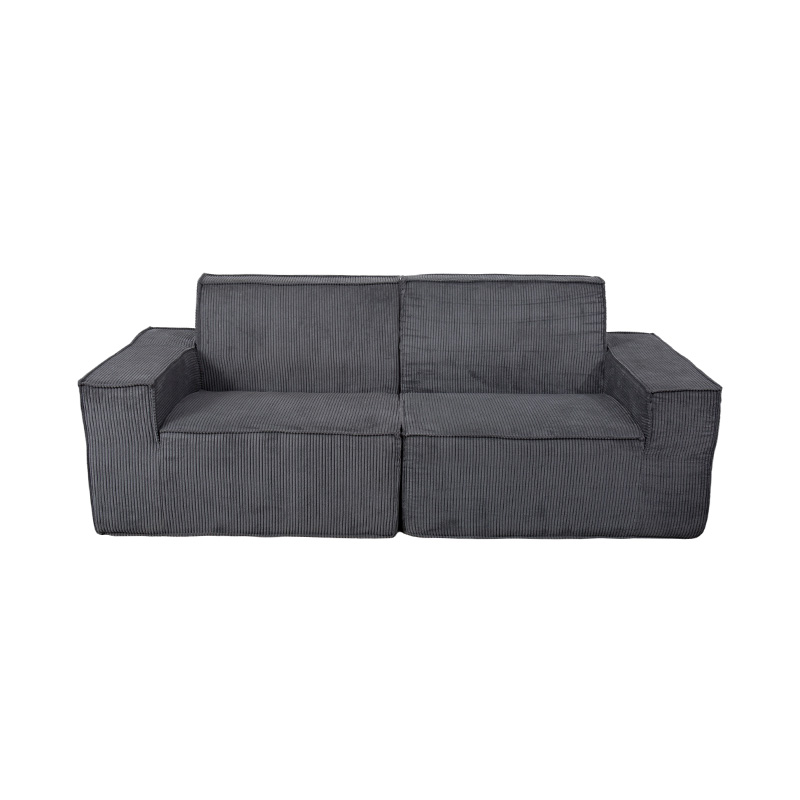
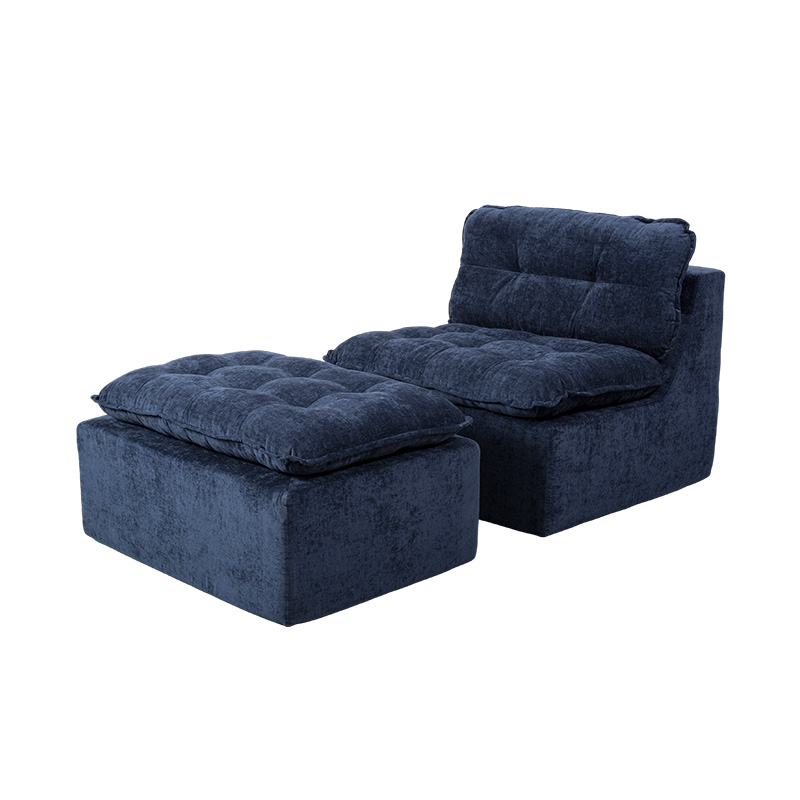
This construction gives full-foam sofas their signature look: a low, clean profile with plush cushions that appear to float naturally in the room. The absence of rigid internal frames also allows manufacturers to offer far greater flexibility in shape, configuration, and size. For buyers seeking a full-foam sofa collection with modern aesthetics and long-term reliability, this category represents a compelling balance of form and function.
Unlike traditional sofas where the frame bears the primary structural load, a full-foam sofa relies on the density and resilience of its foam layers. This makes the quality of the foam the single most important factor in determining how well the sofa performs over years of daily use.
The Science of Foam Density
Not all foam is created equal, and the difference between a sofa that holds its shape for a decade and one that sags within a year almost always comes down to foam density. Density is measured in pounds per cubic foot (PCF) in North America, or kilograms per cubic meter (kg/m³) in international markets. High-quality sofas typically feature foam densities above 2.2 PCF (approximately 35 kg/m³), while budget sofas often use foam in the 1.5–1.8 PCF range that breaks down far more quickly.
Higher density means more foam material is packed into the same volume of space. This tighter cell structure resists compression over time, allowing the foam to spring back to its original shape after each use. Lower density foam, by contrast, has larger air pockets that collapse progressively with repeated sitting, leading to permanent indentations and a noticeably flattened cushion within months.
It is important to understand that foam density does not equal firmness. A high-density foam can be engineered to feel soft and cloud-like on the surface while still maintaining excellent structural resistance underneath. Many premium full-foam sofas use a layered approach: a firm, high-density base foam for long-term support, topped with a softer comfort foam for an inviting sit experience.
| Foam Density | Quality Level | Expected Lifespan |
|---|---|---|
| Below 1.8 PCF / 29 kg/m³ | Low (budget) | 1–3 years |
| 1.8–2.2 PCF / 29–35 kg/m³ | Standard | 3–7 years |
| 2.2–2.5 PCF / 35–40 kg/m³ | High (recommended) | 8–12 years |
| Above 2.5 PCF / 40 kg/m³ | Premium / Commercial | 12+ years |
Why Full-Foam Outperforms Traditional Fillings
To understand the durability advantage of full-foam construction, it helps to compare it directly with the alternatives commonly found in mid-range and budget sofas.
Down and feather fillings are beloved for their initial plushness, but they require regular fluffing to maintain shape. Over time, the filling migrates and compresses unevenly, creating lumps and flat spots that no amount of fluffing can fully correct. They also absorb moisture and odors more readily, particularly in humid environments.
Low-density polyester fiber fill feels soft when new but collapses rapidly. The individual fibers compress and mat together under repeated use, typically losing significant loft within the first 12 to 18 months. This is the filling found in most entry-level sofas.
Spring-based systems — whether sinuous springs or coil units — can provide good support, but they introduce mechanical components that can eventually creak, snap, or deform. Springs also require precise tension calibration, and if one spring weakens, the entire seating surface is affected.
Full-foam construction eliminates these failure points entirely. There are no springs to lose tension, no fibers to mat down, and no down clusters to migrate. A well-engineered foam core maintains consistent support across the entire seating surface for years. Compared to fabric sofa options with traditional internal fillings, full-foam models typically show far less visible degradation over a 5-year period of regular use.
Design Flexibility Without Sacrificing Structure
One of the most compelling arguments for full-foam sofas is that durability and design do not have to be in conflict. Because foam can be cut, shaped, and layered in virtually any configuration, manufacturers have enormous creative freedom in crafting sofas that look as good as they perform.
The clean, frameless silhouette of a full-foam sofa suits a wide range of interior styles — from Scandinavian minimalism to contemporary maximalism. The cushions can be shaped to create deep, generous seat depths for a relaxed lounge feel, or firmer, more upright profiles for a sophisticated living room aesthetic. Modular full-foam designs allow homeowners to reconfigure their seating layout without the structural constraints of a rigid frame.
Upholstery choices further expand the design range. Full-foam sofas are available in virtually every fabric category — from performance weaves and boucle textures to velvet finishes and washable covers. If you prefer the sleek appearance of a faux leather sofa, the same full-foam core technology can be wrapped in premium faux leather for a completely different aesthetic with identical structural durability.
This versatility means buyers are never forced to choose between a sofa that looks the way they want and one that will last. With full-foam construction, the design options expand precisely because the structure is defined by the foam itself rather than a fixed wooden or metal frame.
What to Look for When Buying a Full-Foam Sofa
Not every sofa marketed as "full-foam" delivers the same level of quality. Here are the key specifications to check before making a purchase decision:
- Foam density rating: Always ask for or look up the specific density of the seat cushion foam. Aim for 2.2 PCF (35 kg/m³) or higher for the core support layer. Anything below 1.8 PCF is unlikely to hold up beyond a few years of daily use.
- CertiPUR-US certification: This certification confirms that the foam has been tested for harmful chemicals, heavy metals, and excessive VOC emissions. It is a reliable indicator of both safety and manufacturing quality.
- Fabric abrasion resistance: Look for upholstery rated to at least 15,000 double rubs (Martindale test) for standard home use, and 30,000 or above for high-traffic environments or homes with children and pets.
- Warranty coverage: A manufacturer's willingness to offer a multi-year warranty on both the foam and the fabric is a strong signal of confidence in the product's longevity. Warranties of 5 years or more on the foam core are considered a mark of quality.
- Layered foam construction: The best full-foam sofas use multiple foam layers with different densities — a firmer base for structural support and a softer top layer for comfort. Single-layer foam construction, even at high density, may not deliver the same sitting experience over time.
It is also worth testing the sofa in person where possible. Press into the seat, then stand up and observe how quickly the foam returns to its original shape. A high-resilience foam rebounds quickly and fully — this bounce-back quality is one of the most reliable indicators of long-term durability.
The Long-Term Value of a Full-Foam Investment
When evaluating the price of a full-foam sofa, it is useful to think in terms of cost per year rather than upfront cost alone. A sofa that costs more initially but lasts 10 to 12 years with minimal maintenance will almost always represent better value than a cheaper alternative that requires replacement after three or four years — not to mention the inconvenience and environmental cost of frequent furniture turnover.
A well-built full-foam sofa with high-density core foam can maintain its shape and support for 10 years or more under normal household conditions. This lifespan advantage is compounded by the low maintenance demands of foam-based construction. There are no springs to re-tension, no cushion inserts to restuff, and no mechanical components to repair. In most cases, the only maintenance required is routine upholstery cleaning.
For furniture buyers — whether sourcing for retail, hospitality, or residential use — this combination of structural longevity, design flexibility, and low maintenance burden makes the full-foam sofa a category worth serious consideration. The best designs do not ask you to compromise between how a sofa looks and how long it lasts. They deliver both, and that is precisely what makes full-foam construction one of the most intelligent choices in modern upholstered furniture.