 0
0

 English
 简体中文
简体中文

Content
The Perfect Blend of Style and Practicality
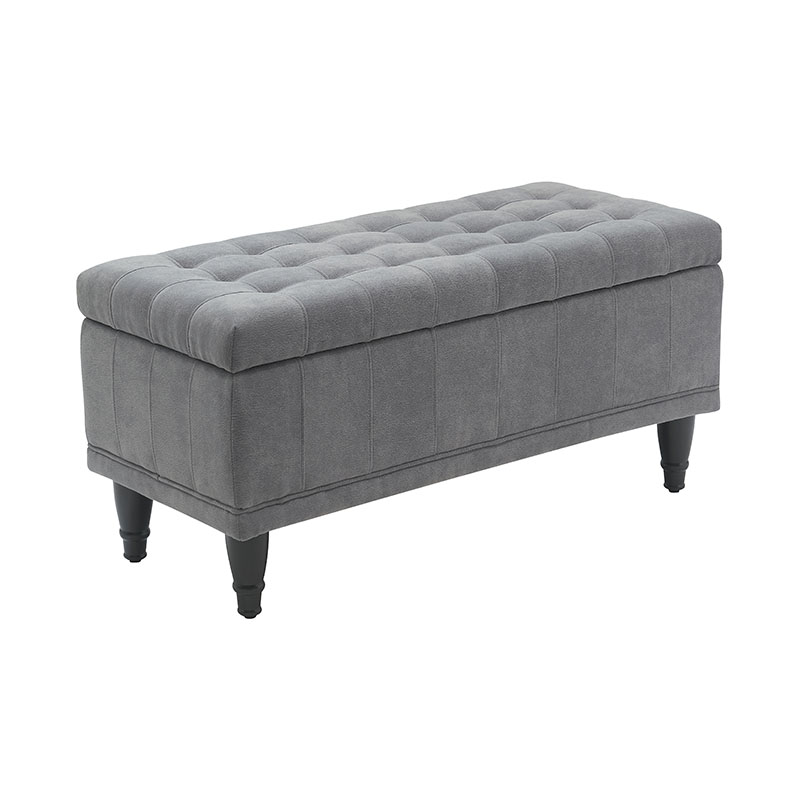
A faux leather bench delivers immediate visual impact while solving real functional needs in your living space. Unlike traditional seating options, this versatile piece combines the luxurious appearance of genuine leather with modern durability and ethical considerations. Homeowners increasingly choose faux leather benches because they offer up to 70% cost savings compared to authentic leather alternatives while maintaining comparable aesthetic appeal.
The material technology behind synthetic leather has advanced significantly, with high-quality polyurethane and microfiber options now mimicking the texture and sheen of real hide. This evolution means your bench will look sophisticated without the maintenance headaches or ethical concerns associated with animal products.
Durability That Outlasts Daily Wear
Modern faux leather benches resist scratches, spills, and fading better than many natural materials. The synthetic surface creates a protective barrier against moisture, making cleanup as simple as wiping with a damp cloth. This characteristic proves especially valuable in high-traffic areas like entryways or dining spaces where accidents happen frequently.
Performance Comparison
| Feature | Faux Leather | Genuine Leather | Fabric Upholstery |
|---|---|---|---|
| Stain Resistance | Excellent | Moderate | Poor |
| Water Resistance | High | Low | None |
| Average Lifespan | 7-10 years | 15-20 years | 5-8 years |
| Maintenance Cost | Minimal | High | Moderate |
The data reveals that faux leather strikes an optimal balance between longevity and upkeep requirements. While genuine leather may last longer overall, the maintenance demands and initial investment often outweigh the benefits for average households.
Versatile Placement Options
One standout advantage of choosing a bench over traditional chairs involves placement flexibility. The streamlined silhouette fits where bulkier furniture cannot, maximizing utility in compact spaces.
Ideal Locations for Maximum Impact
- Entryway seating for removing shoes and temporary storage
- Bedroom foot-of-bed accent for visual balance
- Dining table extension seating for entertaining
- Living room coffee table companion for flexible arrangements
- Home office guest seating that tucks away easily
Each placement serves distinct purposes while maintaining cohesive design flow. The bench format encourages casual interaction and creates inviting atmosphere without overwhelming room proportions.
Design Adaptability Across Aesthetics
Faux leather benches transcend specific design categories, complementing everything from industrial lofts to minimalist apartments. The material accepts dye readily, offering color options ranging from classic cognac and black to contemporary navy and sage green.
Surface textures vary significantly between smooth finishes that suggest mid-century modern influences and distressed treatments that evoke vintage character. This range allows precise matching with existing furniture rather than forcing compromise.
Style Coordination Guidelines
- Match metal leg finishes with existing hardware tones
- Contrast bench color against dominant room palette for focal point creation
- Coordinate texture weight with other upholstery in the space
- Consider scale relationships with surrounding furniture heights
Environmental and Ethical Considerations
Contemporary manufacturing processes have addressed earlier environmental concerns about synthetic materials. Many producers now utilize water-based polyurethane systems that reduce volatile organic compound emissions by over 60% compared to traditional methods.
The ethical advantage remains clear for consumers avoiding animal products. Faux leather production requires no livestock farming, addressing both welfare concerns and the significant carbon footprint associated with raising cattle for hide harvest.
Additionally, the durability factor contributes to sustainability through reduced replacement frequency. A well-maintained faux leather bench serves your home for nearly a decade, diverting furniture from landfills and reducing consumption cycles.
Investment Value and Budget Efficiency
Quality faux leather benches typically range between $150 and $400, positioning them as accessible luxury items. This price bracket opens sophisticated design possibilities for renters and first-time homeowners who might otherwise compromise on style due to budget constraints.
The cost-per-use calculation favors this investment heavily. Assuming daily use over an eight-year lifespan, a $300 bench costs approximately ten cents per day while providing consistent utility and aesthetic pleasure.
Long-Term Financial Benefits
- Elimination of professional cleaning expenses required for fabric upholstery
- No conditioning treatments necessary unlike genuine leather
- Resistance to pet damage reduces replacement risk
- Timeless design reduces urge to replace for trend reasons
Making Your Selection
When evaluating specific options, prioritize construction quality alongside material appearance. Solid wood frames provide superior stability compared to particleboard alternatives, while high-density foam cushioning maintains comfort and shape over years of use.
Examine stitching details and edge finishing as indicators of manufacturing standards. Double-stitched seams and reinforced corners signal attention to durability that will serve your household through daily use patterns.
The right faux leather bench transforms from simple seating into a defining element that elevates your entire interior. By balancing aesthetic appeal with practical resilience, this choice reflects intelligent design thinking that values both beauty and function.