 0
0

 English
 简体中文
简体中文

Content
- 1 What Makes a Fabric Sofa Different from Other Upholstery Options
- 2 Common Fabric Types and Their Performance Profiles
- 3 Frame and Cushion Construction: What Sits Beneath the Fabric
- 4 Style Configurations: Matching the Sofa to the Room
- 5 Care, Cleaning, and Long-Term Maintenance
- 6 Key Buying Criteria: A Practical Checklist
What Makes a Fabric Sofa Different from Other Upholstery Options
A fabric sofa uses textile upholstery — woven, knitted, or synthetic — rather than leather or faux leather. This distinction matters because fabric breathes more naturally, tends to feel softer to the touch, and comes in a far wider range of colors, textures, and patterns. For households in warmer climates or for people who dislike the sticky sensation of leather in summer, fabric is often the more comfortable day-to-day choice.
Beyond comfort, fabric sofas generally carry a lower price point than full-grain leather equivalents, making them accessible to a broader market without forcing a trade-off on aesthetics. The trade-off, however, is that most fabrics are more susceptible to staining and pilling than leather, which means material selection and weave density become critical buying decisions.
Common Fabric Types and Their Performance Profiles
Not all upholstery fabrics perform the same way. Understanding the key categories helps buyers match material to real-life use conditions.
| Fabric Type | Durability | Stain Resistance | Best For |
|---|---|---|---|
| Polyester | High | Good | Everyday family use |
| Cotton | Medium | Low–Medium | Light-use living rooms |
| Velvet | Medium–High | Medium | Accent or statement pieces |
| Linen | Medium | Low | Scandinavian / minimalist styles |
| Microfiber | Very High | Very Good | Homes with pets or children |
Microfiber and high-density polyester blends consistently outperform natural fibers in wear tests, often rated at 100,000+ double rubs on the Wyzenbeek scale, compared to 15,000–30,000 for untreated cotton or linen. Velvet, despite its reputation for delicacy, can be surprisingly durable when the pile is made from synthetic fibers like polyester rather than silk.
Frame and Cushion Construction: What Sits Beneath the Fabric
The fabric is the first thing buyers touch and see, but the frame and cushion core determine how long the sofa holds its shape. A kiln-dried hardwood frame — typically oak, beech, or birch — resists warping and cracking far better than softwood or particleboard alternatives. When evaluating a fabric sofa, ask whether corner blocks are glued and screwed into the joints: this single detail is a reliable indicator of structural quality.
Cushion fills divide broadly into three categories:
- High-resilience (HR) foam — the industry standard for longevity, typically rated by density (1.8–2.2 lb/ft³ for quality sofas) and ILD (indentation load deflection) for firmness
- Down or feather blend — extremely soft and luxurious, but requires regular fluffing and loses volume faster over time
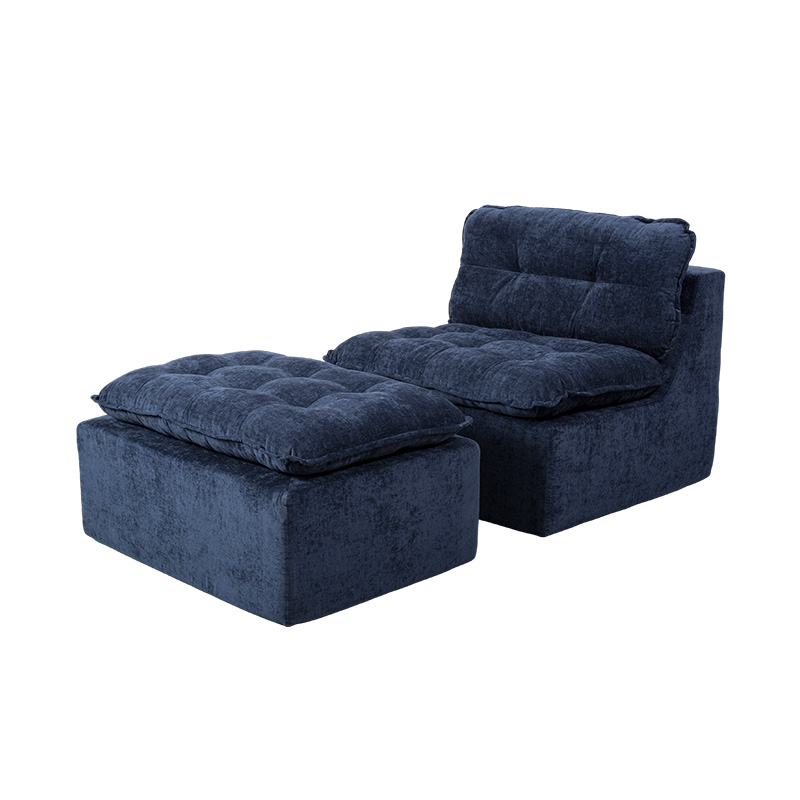
- Foam-and-down wrap — a hybrid that combines the structural support of foam with the surface softness of down, balancing comfort and durability
For households that use their sofa daily, a foam density of at least 1.8 lb/ft³ with a down-wrap outer layer represents the best balance between comfort and longevity.
Style Configurations: Matching the Sofa to the Room
Fabric sofas are produced in nearly every configuration available in furniture, from compact two-seaters to sprawling modular sectionals. The key is matching the footprint and silhouette to both the room's dimensions and the household's social habits.
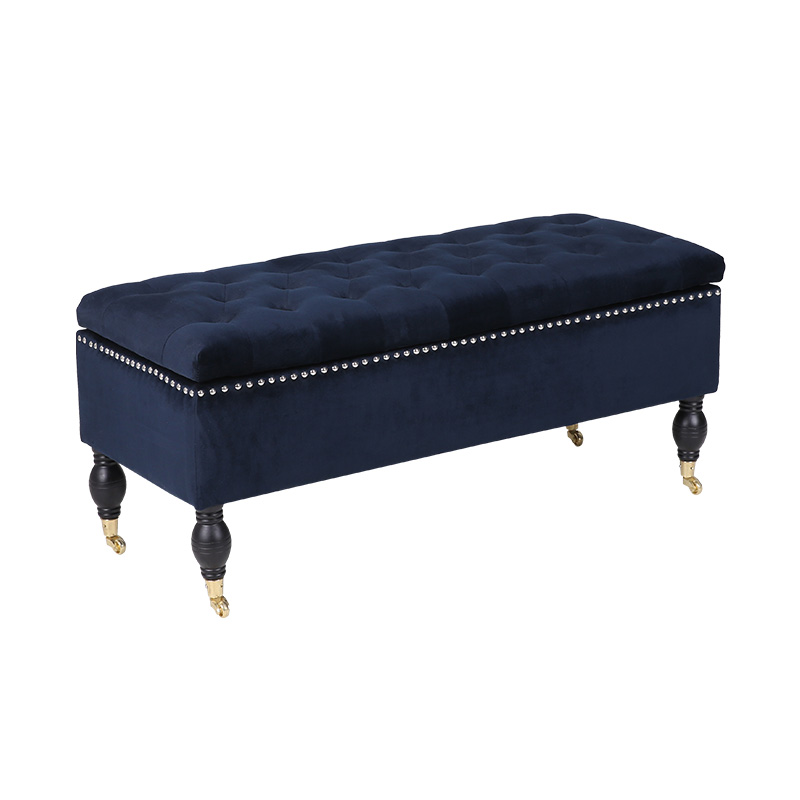
- Chesterfield — deep button tufting and rolled arms; works well in velvet or heavy linen for a heritage aesthetic
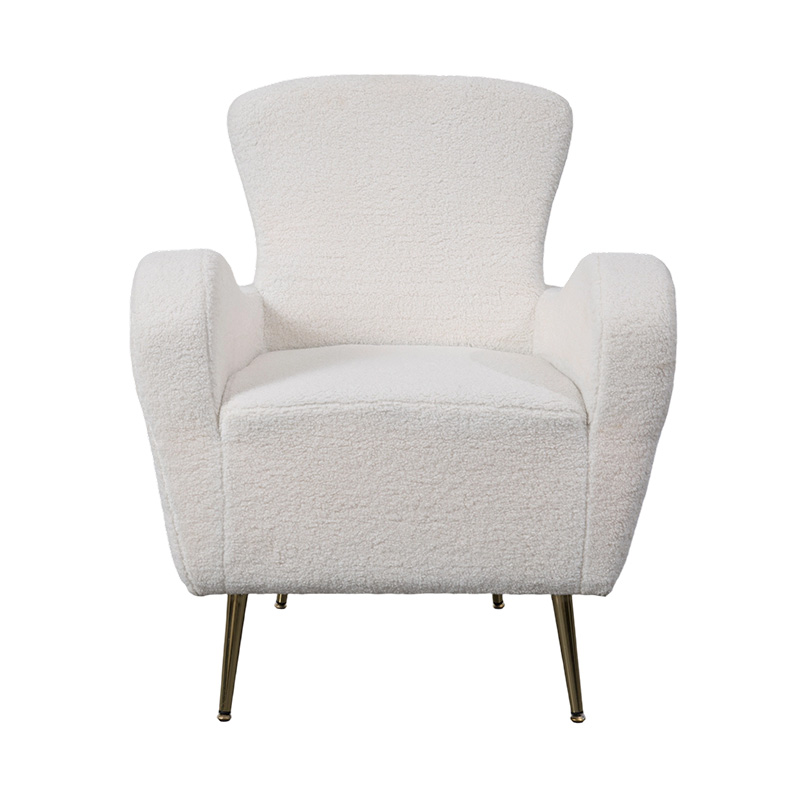
- Mid-century modern — tapered wooden legs, low profile, and clean lines; typically upholstered in textured bouclé or wool blends
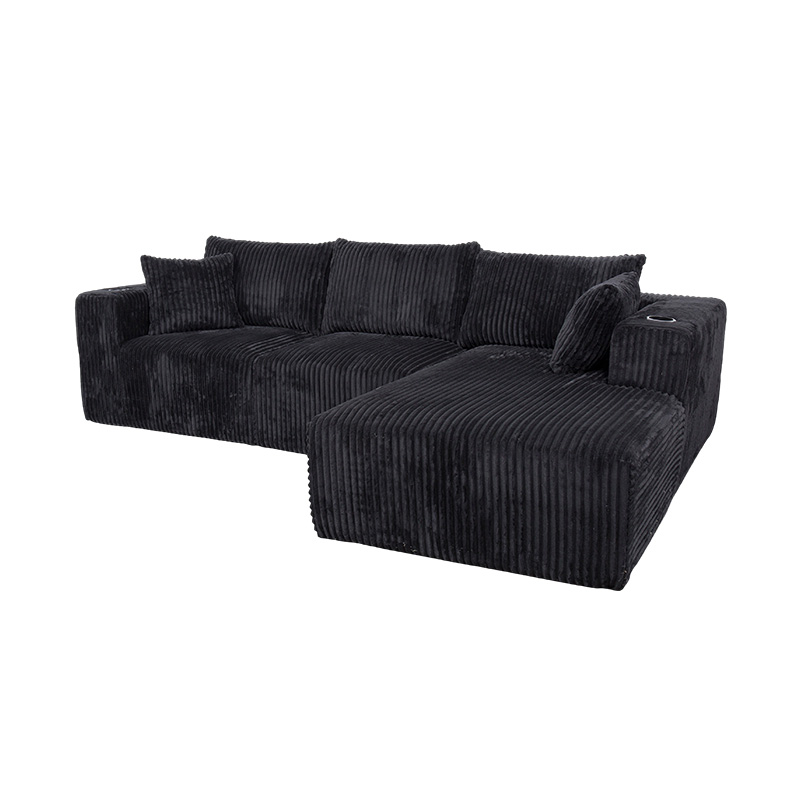
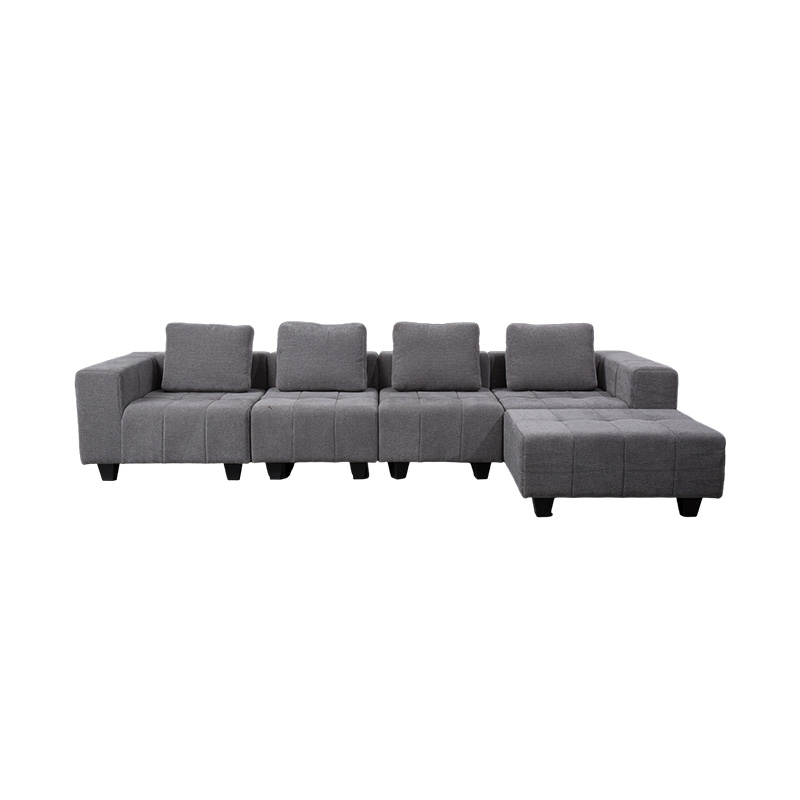
- Sectional / L-shaped — maximizes seating in open-plan spaces; best executed in durable polyester or microfiber given the high traffic
- Lawson / track-arm — straight, minimal arms with loose cushions; easy to reupholster, making it a practical long-term investment
Room dimensions matter as much as style preference. As a general rule, leave at least 18 inches (45 cm) between the sofa front and any coffee table, and maintain a minimum 30-inch (76 cm) walkway around furniture clusters to keep the space feeling open.
Care, Cleaning, and Long-Term Maintenance
Every upholstery fabric carries a cleaning code that dictates safe treatment methods. These codes are typically printed on a tag under the cushions:
- W — water-based cleaners only
- S — solvent-based cleaners only (no water)
- W/S — either water or solvent-based cleaners
- X — vacuum only; no liquid of any kind
Beyond reactive cleaning, routine vacuuming every one to two weeks prevents fiber degradation from dust and grit, which act as abrasives as people sit and shift on the surface. Rotating removable cushions quarterly distributes wear more evenly. For households with pets, investing in a fabric treated with a fluorocarbon finish or ordering a performance fabric like Crypton or Sunbrella significantly reduces long-term maintenance effort.
Exposure to direct sunlight accelerates fading in most textile dyes. Positioning the sofa away from south- or west-facing windows — or using UV-filtering window treatments — can extend the fabric's color vibrancy by several years.
Key Buying Criteria: A Practical Checklist
Before committing to a purchase, run through the following evaluation points to reduce the risk of buyer's remorse:
- Confirm the frame material — kiln-dried hardwood vs. engineered wood vs. metal
- Check the fabric's Wyzenbeek or Martindale rub count (aim for 30,000+ for everyday use)
- Test seat depth — 20–22 inches suits most adults; deeper seats benefit taller users
- Verify the cleaning code and factor in your household's actual cleaning habits
- Measure doorways and hallways before ordering — many sectionals require professional room-of-choice delivery for access
- Ask about the warranty: reputable manufacturers typically offer 1–5 years on the frame and 1 year on fabric and cushions
A fabric sofa is a multi-year investment. Prioritizing construction quality and material performance over surface aesthetics alone is the single most reliable way to ensure satisfaction beyond the first year of ownership.