 0
0

 English
 简体中文
简体中文

Content
- 1 What You Need Before You Start
- 2 Building the Box Frame
- 3 Choosing and Preparing the Right Foam
- 4 Upholstering the Ottoman: Fabric vs. Faux Leather
- 5 Attaching the Lid and Hardware
- 6 Finishing the Interior Storage Compartment
- 7 Common Mistakes That Affect Quality and Longevity
- 8 When Sourcing Makes More Sense Than Building
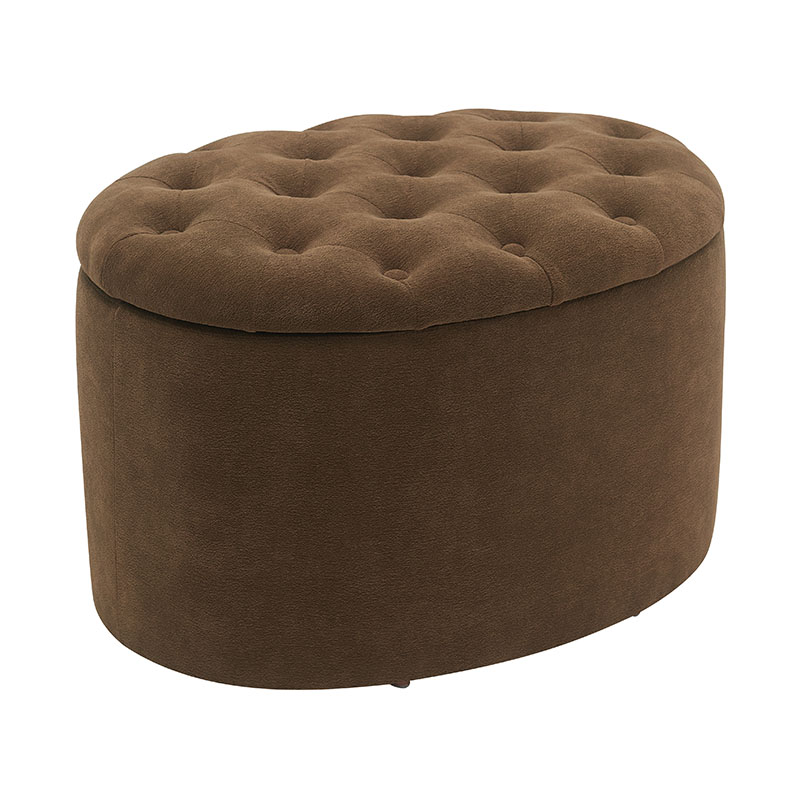
A storage ottoman is one of the most practical pieces of furniture you can add to any room. It serves as a footrest, extra seating, a coffee table alternative, and a hidden storage unit — all in one compact form. Having manufactured upholstered furniture for over 15 years, I've seen firsthand how the right construction choices determine whether an ottoman holds up for a decade or falls apart within a year. This guide walks you through the entire building process, from selecting your frame materials to finishing the upholstery, so you can either build one yourself or make much more informed sourcing decisions.
What You Need Before You Start
Before cutting a single piece of wood or fabric, it pays to plan the key specifications. Skipping this step is the most common reason DIY ottomans end up with lids that don't fit, frames that wobble, or padding that compresses unevenly within months.
Decide on Dimensions
The most common rectangular storage ottoman dimensions fall between 36–48 inches in length, 18–24 inches in width, and 16–18 inches in height. A height of 17 inches aligns comfortably with standard sofa seat heights and makes the ottoman easy to use as a footrest. If you plan to use it as a coffee table, aim for a height between 16 and 18 inches to sit level with most sofa cushions.
Materials Checklist
Gather the following before you begin:
- Plywood (3/4 inch thickness) — for the box frame; birch or poplar plywood offers the best strength-to-weight ratio
- High-density foam (2–3 inch thickness, density 1.8–2.2 lb/ft³) — for the lid cushion
- Dacron batting — wraps around the foam to create a softer, rounded appearance
- Upholstery fabric or faux leather — for the outer covering
- Piano hinge or soft-close hinges — to attach the lid
- Wood screws, wood glue, and corner brackets — for frame assembly
- Furniture legs or casters (optional) — typically 3–4 inches tall, screwed into corner reinforcement blocks
- Staple gun and 3/8-inch staples — for attaching fabric
- Lining fabric or thin cardboard — to finish the interior of the box
Building the Box Frame
The frame is the structural heart of the ottoman. A poorly built frame will rack over time, cause the lid to misalign, and eventually compress the upholstery unevenly. We use the same basic box construction principle in our factory — the difference lies in the precision of the cuts and the quality of joinery.
Step 1 — Cut Your Panels
For a 36" × 20" × 17" ottoman, cut the following panels from 3/4" plywood:
| Panel | Quantity | Dimensions | Notes |
|---|---|---|---|
| Bottom | 1 | 36" × 20" | Full base panel |
| Long Sides | 2 | 36" × 15.5" | Height minus 3/4" top + 3/4" bottom |
| Short Sides | 2 | 18.5" × 15.5" | Width minus two side panel thicknesses |
| Lid | 1 | 36" × 20" | Should sit flush with box edges |
Step 2 — Assemble the Box
Apply wood glue to all joining edges before driving in screws. Use 1-5/8" coarse-thread wood screws spaced every 6 inches for a solid joint. Attach the long side panels to the bottom first, then fit the short side panels between them. Add metal corner brackets inside each corner joint — this step alone reduces frame racking by a significant margin and is something we do on every unit we manufacture.
If you plan to add furniture legs, now is the time to glue and screw 2" × 2" corner blocks flush with the bottom interior corners. These give the leg screws solid material to grip and prevent the legs from pulling out under load.
Step 3 — Square the Frame and Let It Cure
Before the glue sets, measure both diagonals of the box. They must be equal — even a 1/4-inch difference will cause the lid to fit poorly. Use clamps or a ratchet strap to hold the frame square while the glue cures for at least one hour.
Choosing and Preparing the Right Foam
Foam selection has a direct impact on how the finished ottoman feels and how long it maintains its shape. In our production, we run our own sponge factory specifically to control foam quality — it is that important.
For a storage ottoman lid, use a foam with the following specifications:
- Density: 1.8–2.2 lb/ft³ for residential use; 2.5 lb/ft³ or higher for commercial applications
- ILD (Indentation Load Deflection): 35–45 ILD for a firm-but-comfortable seat surface
- Thickness: 2 inches produces a flatter, cleaner look; 3 inches gives a more plush, cushioned appearance
Cut the foam to exactly match the lid panel dimensions using an electric carving knife or a serrated bread knife — both produce cleaner cuts than scissors. Spray adhesive both the top of the lid panel and the bottom of the foam, wait 30 seconds, then press together firmly.
Next, wrap the foam with a single layer of Dacron batting. Pull it tightly over the edges and staple to the underside of the lid panel. This layer softens the sharp foam edge and gives the finished surface a more rounded, professional look.
Upholstering the Ottoman: Fabric vs. Faux Leather
The choice of upholstery material changes both the process and the final result significantly. Both fabric and faux leather are popular choices for storage ottomans, each with its own strengths.
| Feature | Fabric | Faux Leather |
|---|---|---|
| Ease of upholstering | Very forgiving; hides minor staple lines | Requires cleaner staple lines; creases show |
| Durability | Good; varies by weave and fiber content | High; resists spills and scratches well |
| Cleaning | Wipe or spot-clean; some are washable | Wipe clean easily; ideal for high-use areas |
| Aesthetic range | Wide variety of textures, colors, patterns | Clean, modern or classic look |
| Cost | Generally lower | Slightly higher, but still affordable |
How to Upholster the Box
Cut your fabric or faux leather so it wraps all four sides with at least 2–3 inches of overlap on the bottom edges for stapling. Work one long side at a time. Pull the material taut — not stretched — and staple every 2–3 inches along the bottom edge. On the corners, fold the material neatly as you would wrapping paper, creating a tight mitered fold. A rubber mallet tapped gently against a wooden block helps crease faux leather corners cleanly without marking the surface.
How to Upholster the Lid
Place the foam-and-batting lid face-down on your cut fabric. Pull the fabric over each edge and staple to the underside, working opposite sides in sequence (left, right, front, back) to keep tension even. Trim any excess fabric and cover the raw stapled underside with a piece of thin cardboard or dust cover fabric, stapled neatly around the perimeter.
Attaching the Lid and Hardware
The hinge choice matters more than most DIYers realize. A standard piano hinge runs the full length of the back edge and distributes lid weight evenly — this is the most reliable option for heavier lids. For lids under 10 lbs, two 3-inch butt hinges spaced 6 inches from each end work well and are simpler to install.
For ottomans that will be used frequently, consider soft-close lid support hinges. These prevent the lid from slamming and reduce stress on the frame joints over time — a feature we incorporate into many of our manufactured pieces precisely because it extends product life noticeably.
- Position the hinge along the back edge of the lid, centered or evenly spaced.
- Pre-drill pilot holes to prevent the plywood from splitting.
- Screw the hinge to the lid first, then position the lid on the box and transfer the hinge holes to the box back panel.
- Test the fit before final tightening — the lid should open to at least 90° and sit flush when closed.
If adding furniture legs, screw them into the corner blocks at this stage. Legs with a built-in leveling pad are strongly recommended — floors are rarely perfectly flat, and even a 2mm difference between leg lengths will cause the ottoman to rock.
Finishing the Interior Storage Compartment
The inside of the box is often neglected, but finishing it properly prevents splinters, makes cleaning easier, and significantly improves the perceived quality of the finished piece. There are three practical options:
- Spray paint or primer: The quickest option. Two coats of water-based interior paint protect the raw plywood and are easy to wipe clean.
- Fabric lining: Cut thin non-woven or cotton fabric to fit each interior panel, and attach with spray adhesive. This gives a polished, furniture-quality interior.
- Thin cardboard or chipboard liner: Pre-cut panels wrapped in fabric, then pressed into the interior. This is the method we use in factory production, as it allows the liner to be replaced if damaged.
Common Mistakes That Affect Quality and Longevity
After seeing thousands of units pass through our quality control process, these are the structural and finishing mistakes that cause the most problems in the field:
- Skipping the corner brackets: Glue and screws alone are usually insufficient for box joints under repeated load. Metal brackets cost almost nothing and prevent frame failure.
- Using low-density foam: Foam below 1.5 lb/ft³ compresses permanently within 6–12 months of regular use. This is a false economy.
- Uneven fabric tension: Pulling one side tighter than the other causes the upholstery to pucker over time. Always work opposite sides alternately.
- No lid support: An unsupported lid that opens past 90° puts sudden stress on the hinge attachment points, eventually stripping the screws or cracking the plywood near the joint.
- Ignoring weight capacity: A well-built 3/4" plywood ottoman with internal corner blocks should comfortably support 300–400 lbs of static load. If you anticipate regular use as a seat, add a cross-brace inside the box midway along the length.
When Sourcing Makes More Sense Than Building
Building your own ottoman is a genuinely rewarding project, and it gives you full control over dimensions, materials, and upholstery choices. However, for businesses sourcing multiple units — retailers, hospitality buyers, or interior design firms — the cost per unit in materials, labor, and time rarely competes with factory pricing, especially at volume.
The construction principles in this guide are essentially the same ones we follow in our production lines, with the advantage of precision cutting equipment, in-house foam manufacturing, and consistent quality control across every batch. If you are sourcing ottomans for resale or commercial use rather than building one yourself, our storage ottoman product page covers the range of styles, materials, and customization options we offer — including both fabric and faux leather finishes in a variety of sizes.
Whether you decide to build or buy, the structural principles are the same: a rigid box frame, quality foam, even upholstery tension, and reliable hardware. Get those four elements right and the finished piece will serve your space — or your customers — for many years.