 0
0

 English
 简体中文
简体中文

Content
- 1 What Is a Loveseat Sofa
- 2 Standard Loveseat Dimensions and What They Mean for Your Room
- 3 Common Loveseat Sofa Styles
- 4 Upholstery Materials and How They Hold Up
- 5 Frame and Cushion Quality: What to Evaluate
- 6 Best Placement Ideas for a Loveseat Sofa
- 7 Loveseat Sofa vs Full Sofa: When Each Makes More Sense
- 8 How to Care for a Loveseat Sofa Long-Term
- 9 Key Takeaways When Buying a Loveseat Sofa
What Is a Loveseat Sofa
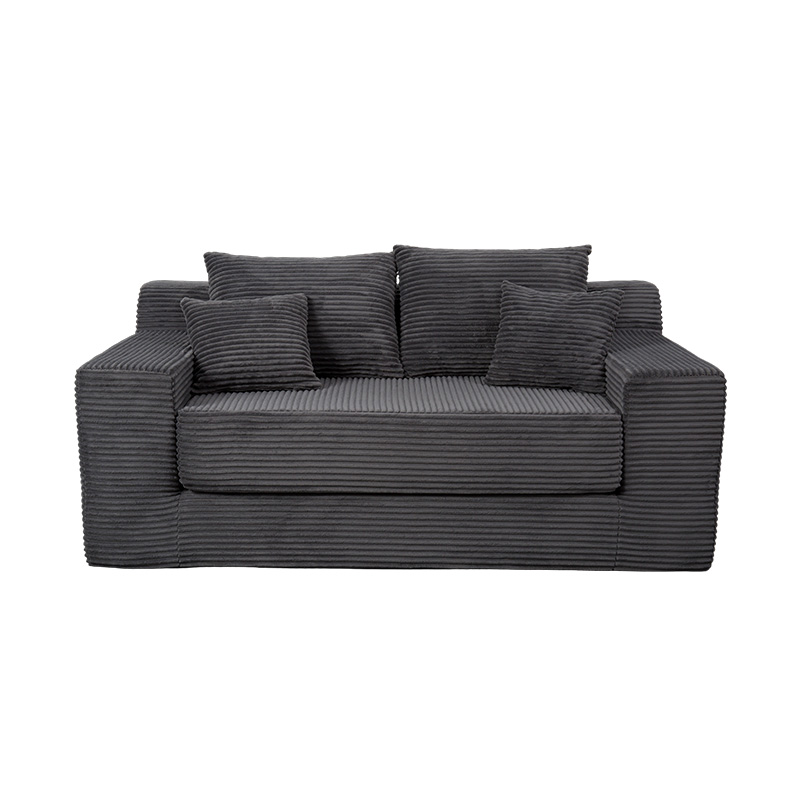
A loveseat sofa is a compact two-seat upholstered sofa designed primarily for two people. It typically measures between 52 and 72 inches wide, making it noticeably smaller than a standard three-seat sofa, which usually spans 84 to 90 inches. Despite its smaller footprint, a loveseat delivers the same comfort and style as a full-size sofa and works in a much wider range of spaces.
The term originally referred to a wide chair built for two people to sit close together, but in modern usage it simply means a small sofa built for two. Today, loveseats are used in living rooms, bedrooms, home offices, entryways, and apartments where space is limited but comfort is still a priority.
Standard Loveseat Dimensions and What They Mean for Your Room
Before buying, understanding measurements helps you plan placement accurately and avoid the common mistake of purchasing a piece that looks right in a showroom but overwhelms a room at home.
| Category | Width | Depth | Best For |
|---|---|---|---|
| Compact Loveseat | 52 to 58 inches | 30 to 33 inches | Studio apartments, small bedrooms |
| Standard Loveseat | 58 to 66 inches | 33 to 36 inches | Living rooms, home offices |
| Large Loveseat | 66 to 72 inches | 36 to 40 inches | Paired with a sofa in larger rooms |
As a practical rule, leave at least 18 inches of walkway clearance around the loveseat and maintain a coffee table distance of 14 to 18 inches from the front edge of the seat. In a room that is 10 by 12 feet, a 60-inch loveseat is typically the maximum size that preserves comfortable movement.
Common Loveseat Sofa Styles
Loveseat sofas come in many structural styles, each suited to different room aesthetics and comfort preferences. Knowing the differences helps you narrow options quickly.
Traditional Loveseat
Features rolled arms, decorative wooden legs, and often tufted upholstery. Works well in classic or transitional interiors. Seat height is usually around 18 inches, which makes it easy to sit down and stand up without effort.
Mid-Century Modern Loveseat
Recognized by tapered wooden legs, low-profile seats, and clean horizontal lines. Seat height typically falls between 15 and 17 inches. This style suits minimalist or retro-inspired spaces and pairs naturally with warm wood furniture and geometric rugs.
Apartment or Track-Arm Loveseat
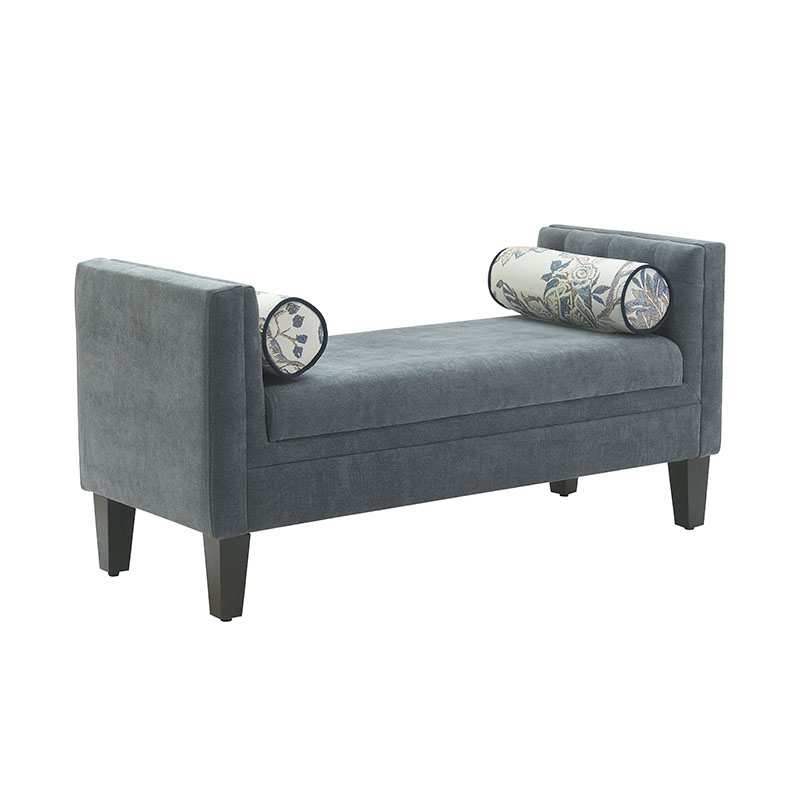
Uses straight, streamlined arms set flush with the seat depth, which maximizes usable sitting space relative to overall width. A 64-inch track-arm loveseat can offer the same seat space as a 70-inch rolled-arm version. This style is especially practical in tight rooms.
Loveseat Sleeper
Includes a fold-out mattress, usually a twin or full size, hidden beneath the seat cushions. These models are heavier, typically ranging from 150 to 250 pounds, so floor protection and placement planning are important before purchasing. They work well in home offices or guest rooms where a dedicated bed is not practical.
Reclining Loveseat
Each seat reclines independently, making this a practical option for media rooms. Most reclining loveseats require 6 to 12 inches of clearance behind the sofa to fully recline, so wall placement needs to account for that space.
Upholstery Materials and How They Hold Up
The material covering a loveseat sofa affects how it feels, how easy it is to maintain, and how long it lasts. Below are the most common options with honest assessments of each.
- Polyester and blended fabrics: The most widely available and affordable option. Stain resistance varies by finish. Microfiber polyester, for example, is tightly woven and resists spills better than loosely woven linen blends. Suitable for everyday use and relatively easy to clean.
- Linen and cotton: Natural, breathable, and comfortable in warm climates. However, these fabrics absorb stains more readily and require more careful cleaning. Best for low-traffic rooms or households without children or pets.
- Leather and faux leather: Easy to wipe clean and durable with proper care. Genuine leather develops a patina over time and can last 15 to 20 years with conditioning. Faux leather is more affordable but may crack or peel after 3 to 5 years of heavy use.
- Velvet: Rich in texture and visually striking. Performance velvet versions are more durable and cleanable than traditional velvet but still require more maintenance. Best suited for rooms that see less daily foot traffic.
When comparing materials, check the rub count rating if available. A fabric with a rub count above 30,000 is considered heavy duty and appropriate for daily use. General household upholstery is typically rated between 15,000 and 30,000.
Frame and Cushion Quality: What to Evaluate
The internal construction of a loveseat determines its long-term durability more than any visible detail. Two loveseats can look identical from the outside and perform very differently over five years.
Frame Materials
Kiln-dried hardwood frames, such as those made from oak or beech, resist warping and cracking over time. Softwood frames or particleboard are less expensive but significantly less durable. If possible, lift one end of the sofa slightly off the floor and check for any flex or creaking in the frame, which indicates weak joinery.
Seat Support
Eight-way hand-tied spring systems are considered the gold standard for seat support and longevity. Sinuous springs, sometimes called S-springs, are more common in mid-range loveseats and perform adequately for most households. Avoid loveseats that rely solely on webbing with no spring support, as these tend to sag within two to three years of regular use.
Cushion Filling
High-density foam rated at 1.8 pounds per cubic foot or higher holds its shape under regular use. Many loveseats add a layer of down or fiber wrap around the foam core for a softer feel while preserving structural support. Pure down cushions feel luxurious but require daily fluffing to maintain shape, which may not suit every household.
Best Placement Ideas for a Loveseat Sofa
A loveseat's compact size opens placement options that a full sofa cannot offer. Here are the most effective configurations depending on room type.
- Paired with a full sofa: Placing a loveseat perpendicular to a three-seat sofa creates an L-shaped conversation area. This layout works especially well in living rooms between 12 by 16 feet and larger, and helps define the seating zone without requiring a sectional.
- Facing another loveseat: Two loveseats placed across from each other with a coffee table between them creates a symmetrical, formal seating arrangement. This suits entryways, sitting rooms, or open-plan spaces where a sofa would feel too dominant.
- Bedroom reading corner: A compact loveseat placed near a window or beside a bookshelf turns an unused corner into a practical reading area. A 52 to 58 inch model works well in most master bedrooms without crowding the space around the bed.
- Home office seating: A loveseat along one wall provides informal meeting space or a break area without converting the entire room into a living space. It also works as a short-term sleeping option in a pinch.
- Entryway or hallway: In wider entryways measuring at least 8 feet across, a loveseat placed against the wall serves as a seating station for putting on shoes or receiving guests. This is one of the more underused but practical placements for a compact loveseat.
Loveseat Sofa vs Full Sofa: When Each Makes More Sense
Choosing between a loveseat and a full sofa comes down to how many people regularly use the seating, the size of the room, and how the space functions day to day.
| Factor | Loveseat Sofa | Full Sofa |
|---|---|---|
| Typical Width | 52 to 72 inches | 84 to 96 inches |
| Seating Capacity | 2 people | 3 or more people |
| Best Room Size | Under 200 square feet | 200 square feet and above |
| Placement Flexibility | High | Moderate |
| Lounging Comfort | Limited for lying down | More room for stretching out |
If you regularly host four or more people, a full sofa is the more functional choice. If your household has one or two people and the room is under 180 square feet, a loveseat almost always produces a better-proportioned, more livable result than forcing a full sofa into the space.
How to Care for a Loveseat Sofa Long-Term
Routine care extends the life of a loveseat significantly regardless of the material. A few simple habits prevent the most common causes of premature wear.
- Rotate and flip removable seat cushions every one to two months to distribute wear evenly across all cushion surfaces.
- Vacuum fabric upholstery weekly using a soft brush attachment to prevent dust and debris from working into the fibers and causing abrasion over time.
- Treat spills immediately by blotting rather than rubbing. Rubbing spreads the stain and pushes it deeper into the fabric.
- Keep the loveseat out of direct sunlight when possible. UV exposure fades upholstery and weakens fabric fibers. Even a sheer curtain can reduce UV damage by up to 70 percent.
- Condition leather upholstery two to four times per year using a product formulated for furniture leather to prevent drying and cracking.
- Check the legs and frame joints once a year and tighten any loose hardware to prevent wobbling from developing into structural damage.
Key Takeaways When Buying a Loveseat Sofa
A loveseat sofa is one of the most versatile furniture purchases you can make, provided the size, style, and material align with how the room actually gets used. Before buying, measure the space carefully, accounting for walkways and surrounding furniture, and confirm the piece fits through doorways and hallways before delivery.
- Choose a width between 52 and 66 inches for most residential rooms to maintain comfortable proportions.
- Prioritize a hardwood frame and sinuous or hand-tied spring system for long-term durability.
- Match the upholstery to the realistic demands of the household, not just the aesthetic preference.
- Consider a track-arm style to maximize seating width relative to the overall footprint in smaller rooms.
- A well-chosen loveseat placed correctly can make a small room feel more thoughtfully designed than an oversized sofa that fits awkwardly.