 0
0

 English
 简体中文
简体中文

Content
- 1 What a Storage Ottoman Actually Does for Your Space
- 2 Types of Storage Ottomans You'll Encounter
- 3 How to Choose the Right Size
- 4 Best Materials for Durability and Style
- 5 Smart Ways to Use a Storage Ottoman in Every Room
- 6 What to Look for in Construction Quality
- 7 Price Ranges and What to Expect at Each Level
- 8 Styling Tips to Make Your Ottoman Look Intentional
- 9 Common Mistakes to Avoid When Buying a Storage Ottoman
What a Storage Ottoman Actually Does for Your Space
A storage ottoman is one of the most versatile pieces of furniture you can own. It functions simultaneously as seating, a footrest, a coffee table surface, and hidden storage — all in a single compact form. Unlike a traditional ottoman, the lid lifts to reveal a hollow interior that can hold blankets, toys, books, remote controls, or anything else you want off the floor but close at hand.
For smaller homes and apartments especially, this kind of double-duty furniture is not just convenient — it's a practical necessity. According to a 2023 survey by the National Association of Home Builders, over 60% of new home buyers prioritized storage solutions in living areas, and multi-function furniture ranked among the top requested features.
Types of Storage Ottomans You'll Encounter
Not all storage ottomans are built the same. The right type depends on how you plan to use it and where it will live in your home.
Cube Ottomans
Cube storage ottomans are compact, typically 18"×18" or 20"×20", and are often sold in sets. They fit neatly under console tables or in corners and are popular in children's rooms for toy storage. Brands like IKEA's KALLAX-compatible cubes retail for $20–$60 each, making them an affordable entry point.
Rectangular Bench Ottomans
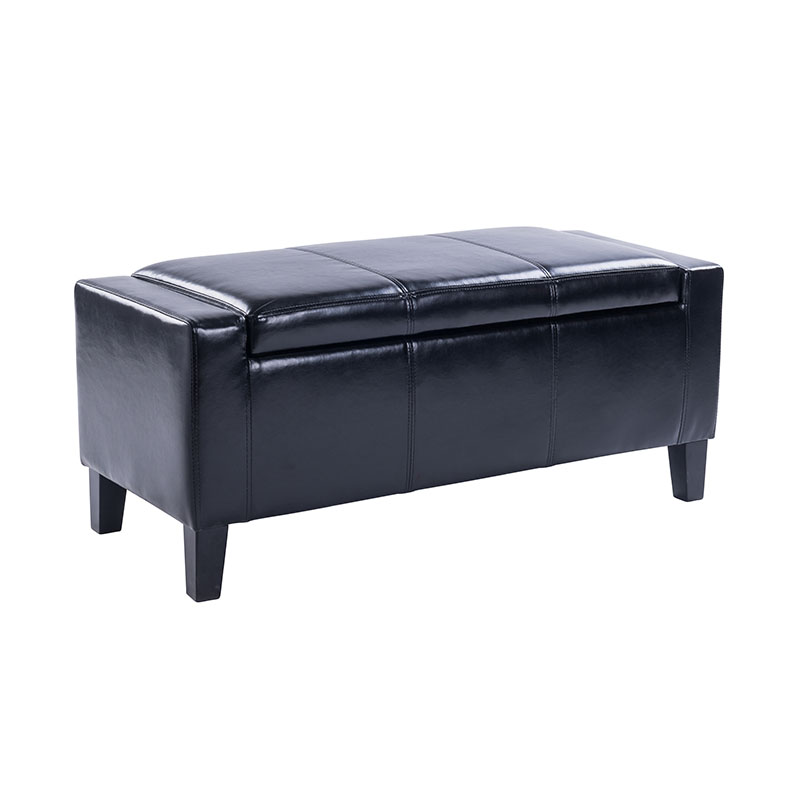
These are longer, bench-style ottomans often placed at the foot of a bed or in an entryway. Sizes typically run 48"–60" wide. They offer significant storage depth and can support the weight of multiple seated adults — some rated up to 600 lbs.
Tufted Cocktail Ottomans
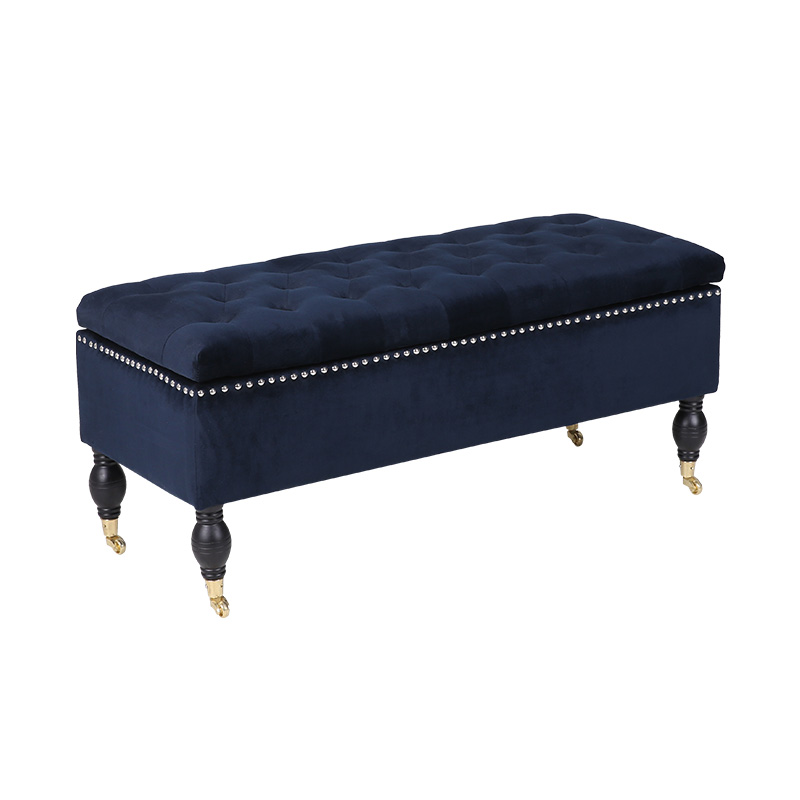
Styled for living rooms, these ottomans mimic the look of classic upholstered furniture while hiding storage inside. They often come in velvet, linen, or faux leather, making them a decorative centerpiece as well as a functional item.
Folding & Collapsible Ottomans
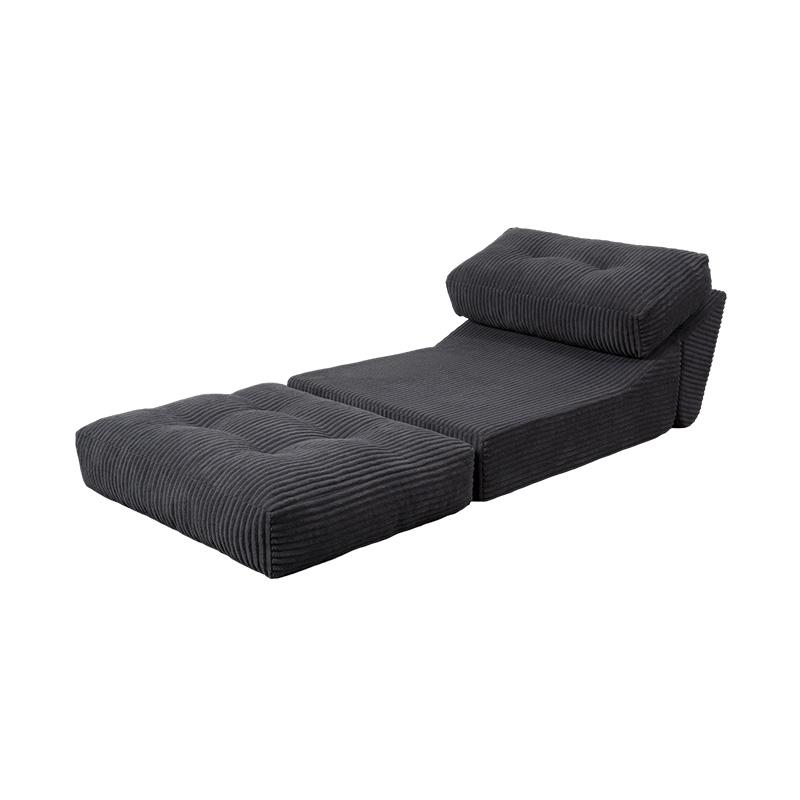
Lightweight and easy to move, collapsible storage ottomans are ideal for renters or anyone who needs flexible furniture. Most fold flat for travel or closet storage. They're generally less durable but fine for light daily use.
How to Choose the Right Size
Size is the most common mistake buyers make. Too large and the ottoman crowds the room; too small and it looks lost. Use the table below as a quick reference guide based on room type and typical use.
| Room / Use | Recommended Size | Typical Dimensions |
|---|---|---|
| Living Room (coffee table replacement) | Large | 36"–48" wide |
| Bedroom (foot of bed) | Medium–Large | 48"–60" wide |
| Entryway / Hallway | Small–Medium | 24"–36" wide |
| Kids' Room | Small (cube) | 16"–20" cube |
| Home Office | Small | 18"–24" wide |
As a general rule of thumb, the ottoman should be no more than two-thirds the length of your sofa when used as a coffee table alternative. Leave at least 12–18 inches of walking space between the ottoman and surrounding furniture.
Best Materials for Durability and Style
The upholstery material affects both the look and the lifespan of your ottoman. Here's a breakdown of the most common options:
- Faux leather: Easy to wipe clean, pet-friendly, and budget-friendly. Can crack over time with heavy use, typically lasting 3–5 years with daily use.
- Genuine leather: Extremely durable (10+ years), develops a rich patina, but costs significantly more — expect to pay $300–$800+ for a quality piece.
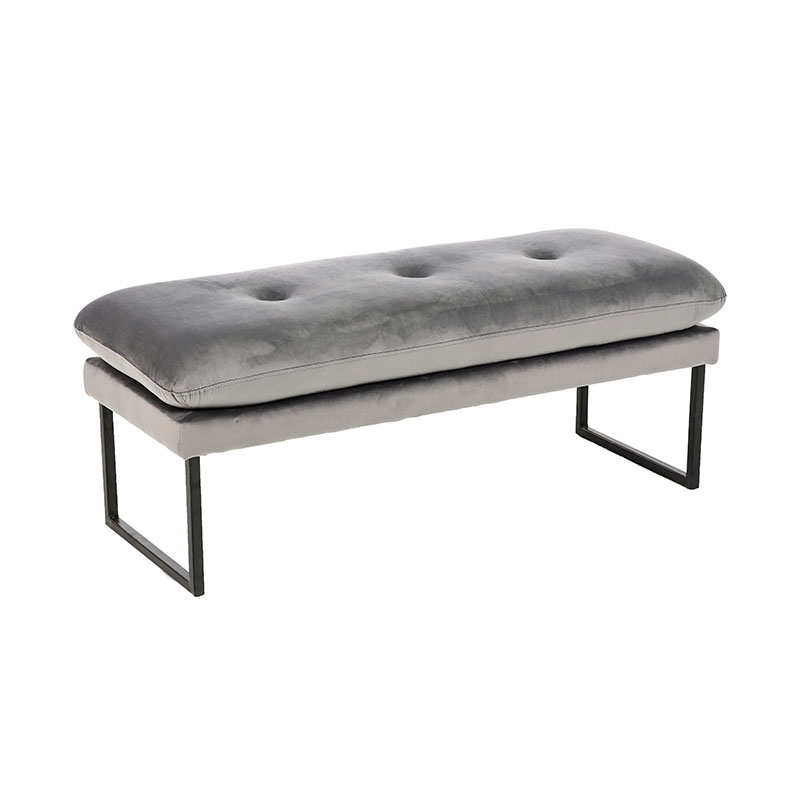
- Velvet: Luxurious appearance, soft to the touch. Best for low-traffic rooms. Not recommended for homes with young children or pets.
- Linen or cotton blend: Breathable and natural-looking, but stains more easily. Machine-washable slipcover versions help solve this problem.
- Performance fabric: Engineered to resist stains, moisture, and fading. Ideal for families. Brands like Sunbrella and Crypton offer upholstery-grade options used by furniture manufacturers.
Smart Ways to Use a Storage Ottoman in Every Room
The real value of a storage ottoman comes from using it strategically. Here are practical applications by room:
Living Room
Replace your coffee table entirely with a large upholstered storage ottoman. Add a sturdy tray on top to create a stable surface for drinks and remotes, and use the interior for blankets and gaming controllers. This approach works especially well in homes where the floor is used for seating or play.
Bedroom
A bench ottoman at the foot of the bed solves two common bedroom problems at once: lack of seating and nowhere to store extra pillows, seasonal bedding, or off-season clothing. A 50" bench ottoman can typically hold 2–3 folded comforters, freeing up closet space significantly.
Entryway
Use a smaller ottoman near the front door as a place to sit while putting on shoes. Store shoes, scarves, or bags inside. This is a particularly effective solution in apartments where entryway space is minimal and closet storage is limited.
Kids' Room or Playroom
Cube ottomans are ideal for toy organization. Children can drop toys in quickly, the soft exterior eliminates sharp corners, and it doubles as additional seating for playdates. Many parents use two to four cubes together to create a modular storage bench along one wall.
What to Look for in Construction Quality
Price alone is not a reliable indicator of quality. When evaluating a storage ottoman, check for these construction details:
- Frame material: Solid wood or kiln-dried hardwood frames are significantly more durable than MDF or particleboard. Look for this detail in the product specs.
- Lid hinge or support: A lid that stays open on its own (via a lid support mechanism) is far more practical than one that falls shut. This is often absent in cheaper models.
- Weight capacity: If you plan to sit on the ottoman regularly, ensure it has a weight rating of at least 250–300 lbs. Heavy-duty models support 500 lbs or more.
- Interior lining: A fabric-lined interior protects stored items from rough edges and adds a finished look. Unlined interiors can snag delicate fabrics.
- Leg construction: Legs should be secured with screws or dowels, not just glue. Wobbly legs are a sign of poor construction and a safety concern.
Price Ranges and What to Expect at Each Level
Storage ottomans are available at nearly every price point. Here's a realistic breakdown of what you get at each tier:
| Price Range | Typical Materials | Best For |
|---|---|---|
| $30–$80 | Faux leather, MDF frame | Temporary use, renters, kids' rooms |
| $100–$250 | Fabric or faux leather, composite wood | Everyday family use, bedrooms |
| $300–$600 | Performance fabric, solid wood frame | Living rooms, long-term investment |
| $700+ | Genuine leather, hardwood | Premium décor, heirloom-quality pieces |
For most households, the $150–$300 range offers the best balance of durability, design, and storage capacity. Brands like Wayfair's private labels, Nathan James, and Christopher Knight Home consistently receive strong reviews in this tier.
Styling Tips to Make Your Ottoman Look Intentional
A storage ottoman looks best when it feels like a considered part of the room, not an afterthought. A few styling principles make a significant difference:
- Use a decorative tray on top when the ottoman serves as a coffee table. This grounds the look and creates a visual anchor for books, a candle, or a small plant.
- Match or contrast intentionally. A velvet ottoman in a complementary color (not the same as your sofa) adds depth without clashing. Neutral ottomans pair with nearly anything.
- Consider leg finish. Gold or brass legs elevate a mid-range ottoman dramatically. Dark walnut or matte black legs lend a more modern, understated look.
- Keep scale in mind. An ottoman that matches the height of your sofa cushions (typically 17"–19") creates a comfortable, proportional footrest.
Common Mistakes to Avoid When Buying a Storage Ottoman
Even a well-intentioned purchase can become a source of frustration. These are the pitfalls worth knowing in advance:
- Ignoring the lid mechanism. A lid without a support hinge requires one hand to hold it open while you retrieve items — a minor but daily annoyance.
- Choosing style over practicality. A heavily tufted lid looks stunning but is uncomfortable to actually rest your feet on and harder to clean.
- Underestimating the interior depth. Some ottomans look large on the outside but have shallow interiors due to thick padding. Always check the listed interior dimensions, not just the exterior.
- Buying without measuring. Take room measurements before shopping, including the path the furniture needs to travel on delivery day.