 0
0

 English
 简体中文
简体中文

Content
- 1 What Makes Fabric Storage Ottomans Essential for Modern Living
- 2 Choosing the Right Size and Shape for Your Space
- 3 Fabric Types and Durability Factors
- 4 Storage Organization Strategies
- 5 Construction Quality Indicators
- 6 Room-Specific Applications
- 7 Maintenance and Cleaning Protocols
- 8 Budget Considerations and Value Assessment
- 9 Color and Pattern Selection Strategies
What Makes Fabric Storage Ottomans Essential for Modern Living
A fabric storage ottoman serves as a three-in-one furniture solution that combines seating, storage, and surface space in a single compact piece. Unlike traditional ottomans, these versatile units feature hidden compartments beneath upholstered lids, providing 4 to 15 cubic feet of storage capacity depending on size. This makes them particularly valuable in apartments and small homes where every square foot counts.
The fabric covering offers distinct advantages over leather or wood alternatives: it's typically 30-40% more affordable, provides better grip for stacking items, and comes in hundreds of color and pattern options to match any décor scheme. Modern fabric treatments also make these pieces resistant to stains and easy to clean, addressing the primary concern many buyers have about upholstered furniture.
Choosing the Right Size and Shape for Your Space
The physical dimensions of your fabric storage ottoman directly impact both its functionality and how well it integrates into your room layout. Standard sizes range from compact 24-inch cubes to expansive 48-inch rectangular benches, each serving different purposes.
Size Selection Based on Function
| Size Range | Best For | Storage Capacity | Seating Capacity |
|---|---|---|---|
| 24" x 24" | Small apartments, bedrooms | 4-6 cubic feet | 1 person |
| 32" x 32" | Living rooms, coffee table alternative | 8-10 cubic feet | 1-2 people |
| 48" x 18" | Entryways, foot of bed | 10-12 cubic feet | 2-3 people |
| 48" x 24" | Large living spaces, playrooms | 12-15 cubic feet | 3-4 people |
Shape Considerations
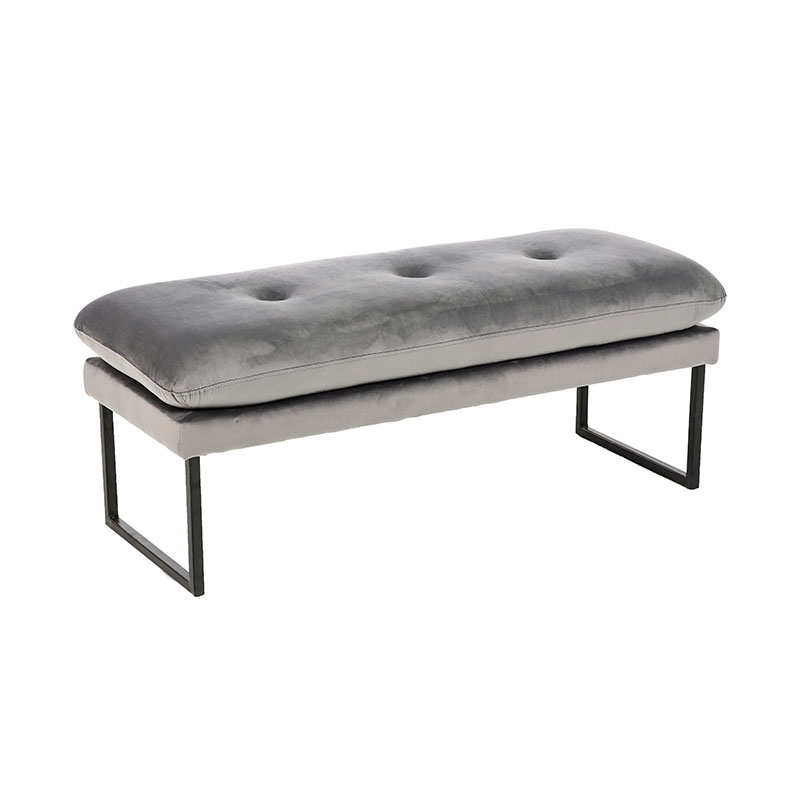
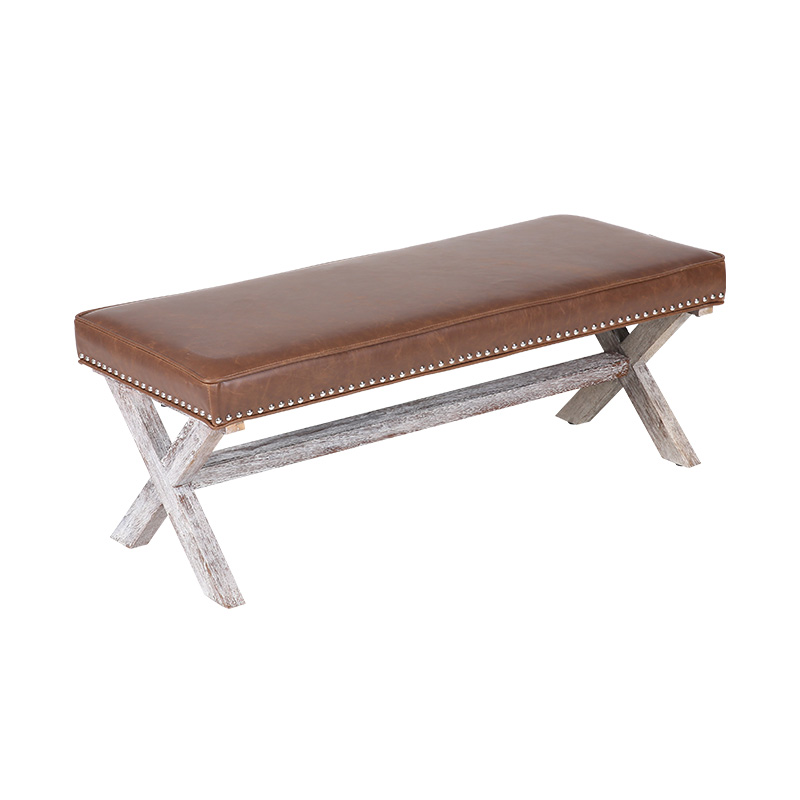
Square ottomans work best in symmetrical room arrangements and can double as coffee tables when topped with a serving tray. Rectangular models fit naturally at the foot of beds or along walls, maximizing storage in narrow spaces. Round ottomans soften angular furniture layouts and are ideal for high-traffic areas where sharp corners pose safety concerns, especially in homes with young children.
Fabric Types and Durability Factors
The fabric covering determines how well your storage ottoman withstands daily use and maintains its appearance over time. Understanding fabric specifications helps you select a piece that matches your lifestyle needs.
Performance Fabric Options
- Microfiber: Rated at 30,000+ double rubs on the Martindale test, resists water and stains, ideal for households with pets or children
- Linen blends: Natural texture with 15,000-20,000 double rub durability, breathable for warmer climates, may require professional cleaning
- Velvet: Luxurious appearance with 25,000+ double rubs when quality-made, shows crush marks that require regular brushing
- Cotton canvas: Durable at 20,000+ double rubs, accepts dye well for vibrant colors, affordable option at $100-200 price points
- Polyester blends: Best value for durability ratio, 40,000+ double rubs, fade-resistant for sunny rooms
Stain Protection Technology
Modern fabric treatments create invisible barriers that repel liquids and prevent absorption. Look for ottomans with Scotchgard, Crypton, or Sunbrella treatments, which allow spills to bead on the surface for easy cleanup. These treatments typically add $50-100 to the purchase price but can extend the ottoman's lifespan by 3-5 years in active households. Independent testing shows treated fabrics resist coffee, wine, and oil-based stains with 90% effectiveness when cleaned within 15 minutes of spilling.
Storage Organization Strategies
Maximizing the hidden compartment requires thoughtful organization. The average fabric storage ottoman holds 8-12 cubic feet, equivalent to approximately four medium storage boxes.
What to Store Inside
- Seasonal items: Extra blankets, throw pillows, winter scarves occupy irregular space efficiently
- Entertainment supplies: Board games, playing cards, remote controls stay accessible but hidden
- Children's toys: Stuffed animals, building blocks, art supplies for quick cleanup
- Reading materials: Magazines, books, tablets protected from dust and clutter
- Workout gear: Yoga mats, resistance bands, small weights in living room exercise setups
Items to Avoid
Never store valuables, important documents, or temperature-sensitive items inside fabric storage ottomans. The enclosed space lacks climate control and can trap moisture, leading to mold growth within 6-8 weeks in humid environments. Similarly, avoid storing food items or pet supplies that might attract pests. Heavy items exceeding 30 pounds total weight can stress the lid hinges and compromise structural integrity over time.
Construction Quality Indicators
The internal structure determines whether your fabric storage ottoman remains functional for years or fails within months. Quality construction features justify higher initial costs through extended longevity.
Frame Materials
Solid hardwood frames (oak, maple, birch) support up to 300 pounds of seated weight and last 10+ years with normal use. Engineered wood frames handle 200-250 pounds and cost 40% less while providing adequate durability for most households. Avoid particleboard construction, which sags under weight and degrades when exposed to humidity, typically failing within 2-3 years.
Cushioning and Padding
High-density foam with 1.8-2.0 pounds per cubic foot density maintains shape and comfort through thousands of uses. Lower-density foam (below 1.5 PCF) compresses permanently within 6-12 months, creating uncomfortable seating and an uneven surface. Premium ottomans layer memory foam over high-density bases, providing initial softness with underlying support. The cushion should compress no more than 2 inches under normal seated weight.
Hinge and Lid Mechanisms
Metal hinges outlast plastic alternatives by 5-7 years on average. Look for safety hinges that prevent the lid from slamming shut, protecting fingers and reducing wear on the frame. Removable lids offer easier access to stored items but lack the convenience of hinged designs for frequent daily use. Test the hinge by opening and closing it several times—it should move smoothly without squeaking or requiring excessive force.
Room-Specific Applications
Different rooms benefit from fabric storage ottomans in unique ways, with specific size and feature requirements for optimal functionality.
Living Room Placement
Position a large rectangular ottoman 18-24 inches from the sofa to serve as both footrest and coffee table. This distance allows comfortable leg extension while maintaining conversation flow. A 36-inch square ottoman centered in a seating arrangement provides communal footrest space for sectional sofas. Add a serving tray on top to create a stable surface for drinks and snacks while protecting the fabric from spills.
Bedroom Solutions
At the foot of the bed, a bench-style ottoman measuring 12-18 inches shorter than the bed width creates visual balance while storing extra bedding. The standard 18-inch height matches most bed frames, allowing you to sit comfortably while dressing. Choose fabrics that coordinate with bedding colors rather than exact matches, which can appear monotonous. Store seasonal clothing, spare pillows, or out-of-season shoes inside.
Entryway Function
A narrow ottoman (48 inches long by 15-18 inches deep) fits beside the door without blocking traffic flow. The 17-19 inch height range allows comfortable seated shoe removal while keeping the piece proportionate to entry spaces. Store umbrellas, reusable shopping bags, pet leashes, and seasonal accessories inside for grab-and-go convenience. Models with tufted tops provide better grip when sitting to prevent sliding on smooth fabrics.
Maintenance and Cleaning Protocols
Regular maintenance extends the functional life of fabric storage ottomans from 5-7 years to 10-12 years with minimal effort and cost.
Weekly Care Routine
- Vacuum with upholstery attachment to remove dust and debris from fabric surface and crevices
- Fluff and rotate cushions if removable to distribute wear evenly
- Check hinge mechanisms for debris that might impede smooth operation
- Wipe hard surfaces (legs, frames) with slightly damp cloth to prevent dust buildup
Stain Removal Techniques
Address spills within 15 minutes for best results. Blot liquids with clean white cloth—never rub, which pushes stains deeper into fibers. For water-based stains, mix one tablespoon of dish soap with two cups of cool water, apply with a clean cloth, and blot dry. Oil-based stains require dry cleaning solvent applied according to product directions. Test all cleaning solutions on hidden areas first to check for colorfastness. Professional cleaning every 18-24 months removes embedded dirt that vacuuming misses, maintaining fabric appearance and extending ottoman life.
Odor Prevention
Empty the storage compartment monthly and leave it open for 2-3 hours to air out. Place fabric freshener sheets or activated charcoal packets inside to absorb moisture and odors. In humid climates, silica gel packets prevent musty smells by controlling moisture levels. Never spray air fresheners directly on fabric, as they can leave stains and attract dirt to treated areas.
Budget Considerations and Value Assessment
Fabric storage ottomans range from $80 to $800+ depending on size, materials, and brand. Understanding what drives pricing helps identify genuine value versus inflated costs.
Price Point Analysis
| Price Range | Expected Features | Typical Lifespan | Best For |
|---|---|---|---|
| $80-$150 | Engineered wood, basic fabrics, plastic hinges | 2-3 years | Temporary solutions, rentals |
| $150-$300 | Solid wood frame, mid-grade fabrics, metal hinges | 5-7 years | Most households, daily use |
| $300-$500 | Hardwood frame, performance fabrics, tufting | 8-10 years | High-traffic areas, families |
| $500-$800+ | Premium hardwood, luxury fabrics, custom options | 10+ years | Designer spaces, heirlooms |
When to Invest More
Spend toward the higher end when the ottoman will see daily use by multiple people, serve as primary seating, or occupy a prominent visual position in your main living space. Families with young children or pets benefit from performance fabric treatments that justify 30-40% price premiums through reduced replacement costs. In contrast, occasional-use pieces for guest rooms or seasonal storage need only meet basic structural requirements, making budget options perfectly adequate.
Color and Pattern Selection Strategies
The visual impact of your fabric storage ottoman depends heavily on color choice, which should balance aesthetic preferences with practical concerns about visible wear and style longevity.
Neutral Versus Bold Choices
Gray, beige, and taupe fabrics hide dirt and wear patterns better than light or dark extremes, maintaining appearance for 2-3 years longer without professional cleaning. These neutrals adapt to décor changes, protecting your investment when you update room colors or styles. However, neutral ottomans can disappear visually in monochromatic rooms—in these cases, a bold accent color or pattern creates visual interest and defines seating areas.
Pattern Functionality
Geometric patterns and subtle textures camouflage minor stains and fabric imperfections while adding visual depth. Avoid large-scale florals or highly directional patterns on rectangular ottomans, as pattern alignment becomes challenging during construction and may appear crooked. Small-scale repeating patterns work universally across all ottoman shapes and sizes. Textured solids like herringbone weaves or basket patterns provide visual interest without the coordination challenges of multicolor designs.