 0
0

 English
 简体中文
简体中文

Content
- 1 Why Fabric Sofas Remain the Most Popular Choice
- 2 Understanding Fabric Types and Their Performance
- 3 Evaluating Durability Through Rub Count Standards
- 4 Maintenance Strategies That Extend Sofa Lifespan
- 5 Smart Selection Criteria for Long-Term Satisfaction
- 6 Color and Pattern Considerations for Practicality
- 7 Cost Analysis and Value Assessment
- 8 Environmental and Health Factors
- 9 Addressing Common Fabric Sofa Problems
Why Fabric Sofas Remain the Most Popular Choice
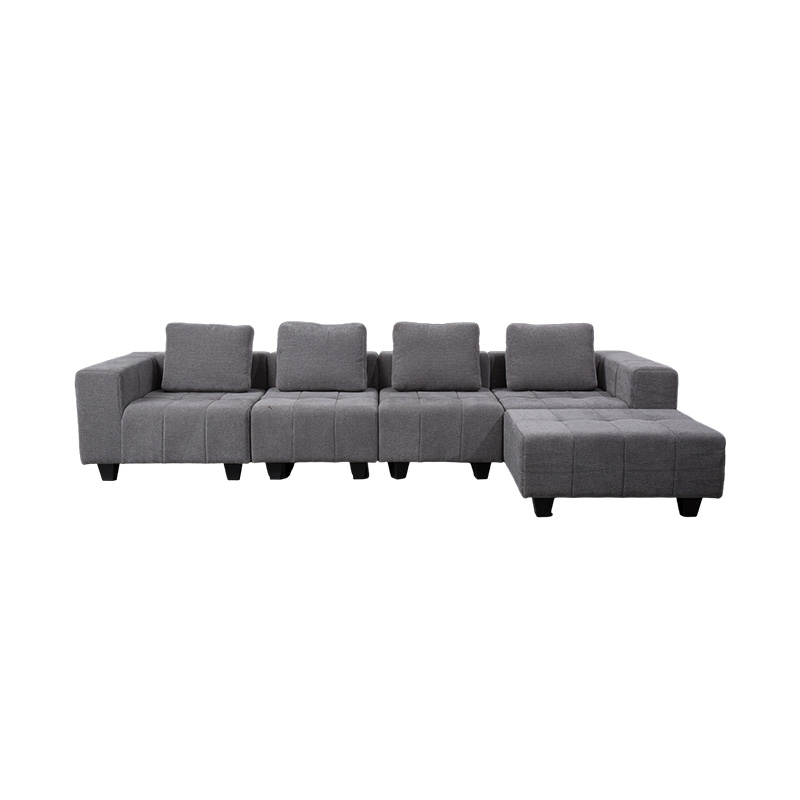
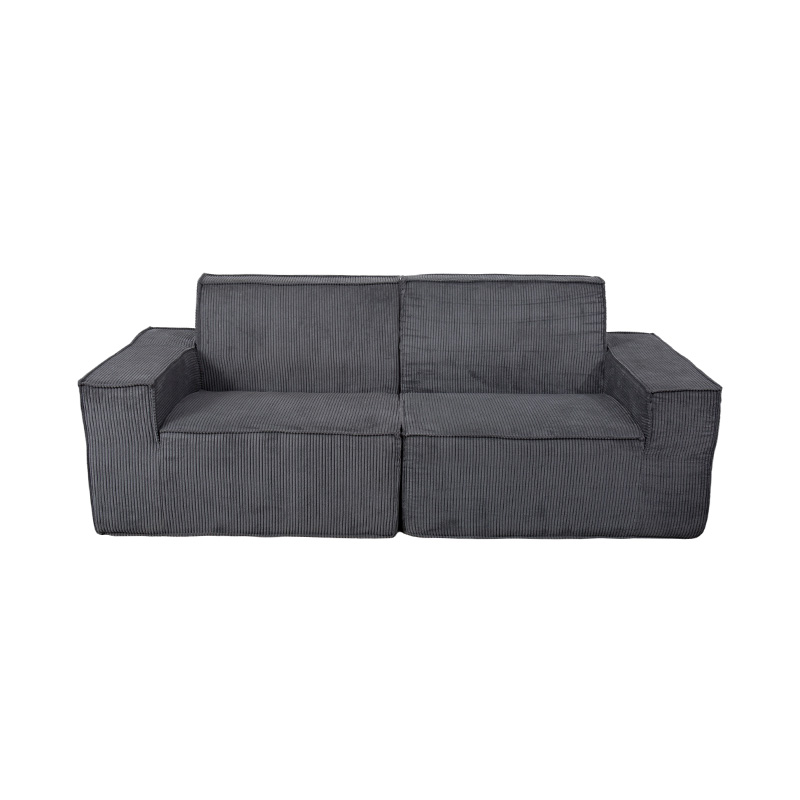
Fabric sofa account for approximately 60% of all sofa sales globally, primarily because they offer unmatched versatility in design, superior comfort, and accessibility across various price points. Unlike leather alternatives, fabric upholstery provides breathability that prevents sticking in warm weather, extensive color and pattern options to match any décor, and a softer tactile experience that many homeowners prefer for everyday relaxation.
The fabric sofa market has evolved significantly, with manufacturers now offering advanced synthetic blends that combine the aesthetic appeal of natural fibers with enhanced stain resistance and durability. Modern fabric sofas can last 7-15 years with proper care, making them a practical long-term investment for living spaces.
Understanding Fabric Types and Their Performance
Selecting the right fabric determines both the sofa's appearance and its longevity. Each material offers distinct advantages depending on household needs and usage patterns.
Natural Fiber Fabrics
Cotton remains popular for its softness and breathability, though it requires treatment for stain resistance. Linen offers a luxurious texture with natural temperature regulation but wrinkles easily and shows wear in high-traffic areas. Wool provides exceptional durability with natural stain resistance, making it ideal for families, though it typically carries a higher price tag at $1,500-$3,000 for quality pieces.
Synthetic and Blended Options
Polyester dominates the affordable fabric sofa market due to its stain resistance, color retention, and durability. Microfiber, a polyester variant, excels in households with children or pets, with cleaning success rates exceeding 90% for common stains. Performance fabrics like Crypton or Sunbrella incorporate protective technology that repels liquids and resists fading, extending sofa life by 40-50% compared to untreated fabrics.
| Fabric Type | Durability Rating | Stain Resistance | Price Range |
|---|---|---|---|
| Cotton | Medium | Low | $800-$2,000 |
| Linen | Medium | Low | $1,200-$2,500 |
| Wool | High | Medium-High | $1,500-$3,000 |
| Polyester | High | High | $600-$1,800 |
| Microfiber | Very High | Very High | $700-$2,200 |
| Performance Fabric | Very High | Very High | $1,000-$3,500 |
Evaluating Durability Through Rub Count Standards
The Wyzenbeek and Martindale tests measure fabric durability by simulating wear through repeated rubbing motions. Industry standards classify fabrics as follows: 15,000-20,000 rubs indicate light residential use, 20,000-30,000 rubs suit general residential purposes, and 30,000+ rubs qualify for heavy residential or commercial applications.
For households with children or pets, selecting fabrics rated at minimum 25,000 double rubs prevents premature pilling, thinning, and fiber breakdown. A sofa tested at 40,000 rubs can withstand daily use for over a decade, while lower-rated fabrics may show visible wear within 3-5 years under similar conditions.
Maintenance Strategies That Extend Sofa Lifespan
Regular maintenance prevents permanent damage and preserves appearance. Implementing these practices reduces replacement frequency by 40-60%.
Weekly and Monthly Care
- Vacuum all surfaces using upholstery attachments to remove dust, dirt, and pet hair before particles embed into fibers
- Rotate and flip removable cushions to distribute wear evenly across surfaces
- Check manufacturer tags for cleaning codes: W (water-based cleaners), S (solvent-based), WS (either method), X (professional only)
- Blot spills immediately with white absorbent cloths, working from edges toward center to prevent spreading
Deep Cleaning Protocols
Professional steam cleaning every 12-18 months removes embedded dirt and oils that regular vacuuming misses. For DIY cleaning, test any solution on hidden areas first. Create effective home cleaners by mixing 1/4 cup white vinegar with 3/4 cup warm water and 1 tablespoon dish soap for W-coded fabrics. Microfiber responds best to rubbing alcohol applied with white sponges.
Avoid over-wetting fabric during cleaning, as excess moisture penetrates cushion foam, creating mildew growth and unpleasant odors. Use fans or open windows to accelerate drying, ensuring complete moisture evaporation within 6-8 hours.
Smart Selection Criteria for Long-Term Satisfaction
Beyond fabric choice, structural elements determine overall sofa quality and longevity.
Frame Construction Matters
Kiln-dried hardwood frames (oak, maple, or ash) provide superior stability compared to softwood or particleboard alternatives. Quality manufacturers use corner-blocked frames with double dowels and reinforced joints. Frame warranties of 10+ years indicate manufacturer confidence in structural integrity.
Cushion Fill and Density
High-resilience foam with density ratings of 1.8-2.5 pounds per cubic foot maintains shape and comfort for 7-10 years. Down-wrapped foam combines support with plush comfort but requires regular fluffing. Avoid sofas with polyester fiber fill alone, as these compress quickly and develop permanent indentations within 2-3 years.
Practical Testing Before Purchase
- Sit in various positions for at least 10 minutes to assess comfort and support
- Press cushions firmly and observe recovery speed; quality foam rebounds within 3-5 seconds
- Examine seam construction and pattern matching at corners and arms
- Request fabric samples to test stain resistance with common household liquids
- Verify removable covers if ease of cleaning is priority
Color and Pattern Considerations for Practicality
Light-colored fabric sofas create airy, spacious aesthetics but require more frequent cleaning and show stains readily. Medium tones in gray, taupe, or navy conceal minor marks while maintaining design versatility. Patterns effectively camouflage wear and spills—textured weaves or subtle prints reduce visible soiling by approximately 50% compared to solid colors.
Consider room lighting when selecting colors, as natural sunlight fades darker fabrics faster than lighter shades. South-facing rooms cause particularly rapid color degradation; UV-resistant treatments or performance fabrics mitigate this issue for sofas in bright locations.
Cost Analysis and Value Assessment
Budget-friendly fabric sofas ($500-$1,000) typically use lower-grade polyester or cotton blends with particleboard frames and low-density foam. These serve well for temporary living situations or guest rooms with infrequent use but rarely last beyond 5 years with regular use.
Mid-range options ($1,000-$2,500) offer hardwood frames, quality polyester or microfiber upholstery, and high-resilience cushioning. These represent the best value for most households, delivering 8-12 years of reliable service with proper maintenance.
Premium fabric sofas ($2,500+) feature top-tier construction with performance fabrics, eight-way hand-tied springs, and down-blend cushioning. Luxury natural fiber options justify higher costs through exceptional comfort, appearance, and 15+ year lifespans when properly cared for.
Environmental and Health Factors
Fabric sofas with CertiPUR-US certified foam contain no harmful chemicals, heavy metals, or formaldehyde, making them safer for households with children or chemical sensitivities. Organic cotton and linen options eliminate pesticide exposure but typically cost 30-40% more than conventional alternatives.
Flame retardants applied to upholstery have raised health concerns; California TB117-2013 standards now permit safer alternatives. Verify manufacturer compliance or select naturally flame-resistant materials like wool or treated options using non-toxic methods.
Sustainable purchasing includes considering repairability and recyclability. Modular designs with replaceable covers and cushions extend usable life significantly compared to fully upholstered pieces that require complete reupholstering when worn.
Addressing Common Fabric Sofa Problems
Pilling occurs when loose fibers tangle on the surface, particularly with natural fabrics or lower-quality synthetics. Remove pills with fabric shavers or sweaters stones rather than pulling, which damages underlying weave. Choosing tightly-woven fabrics reduces pilling by up to 70%.
Fading from sunlight affects all fabrics but damages untreated materials most severely. Position sofas away from direct sun exposure, use UV-filtering window treatments, or apply fabric protectant sprays containing UV inhibitors every 6-12 months.
Pet damage prevention requires either choosing ultra-durable microfiber or performance fabrics, or training pets to use designated furniture. Tight-weave fabrics resist claw snags better than looser constructions. Regular nail trimming reduces damage risk by approximately 60%.