 0
0

 English
 简体中文
简体中文

Content
Understanding the Loveseat Sofa
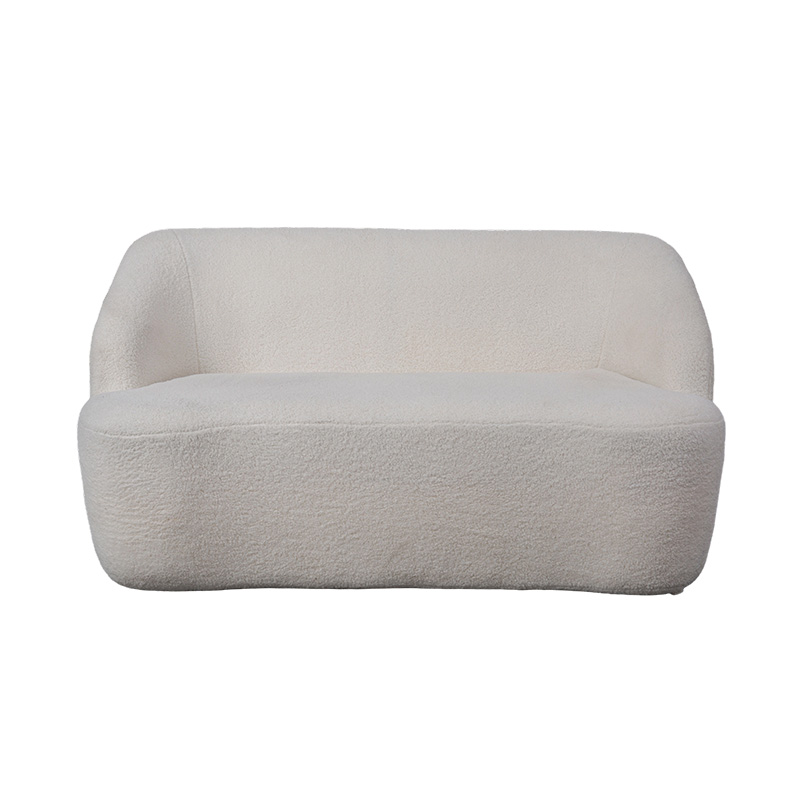
A loveseat sofa is a compact upholstered seating piece designed to comfortably accommodate two people. Distinguished from standard sofas by its smaller footprint, a loveseat typically measures 50 to 70 inches in width, making it an ideal solution for smaller living spaces, apartments, or as complementary seating in larger rooms. The term "loveseat" originated in the 17th century when these smaller sofas were designed for women wearing wide-skirted dresses, though modern versions serve a more practical purpose of space-efficient seating.
The primary distinction between a loveseat and a full-size sofa lies in the dimensions and seating capacity. While a standard sofa accommodates three or more people and spans 72 to 96 inches, a loveseat's compact design makes it perfect for tight spaces without sacrificing comfort or style. This furniture piece has become increasingly popular in urban living environments where maximizing space while maintaining functionality is essential.
Standard Loveseat Dimensions and Sizing
Understanding loveseat dimensions is crucial for making an informed purchase decision. The measurements directly impact how the piece fits within your space and how comfortably it seats occupants.
| Dimension | Standard Range | Compact/Apartment Size |
|---|---|---|
| Width | 52-70 inches | 48-52 inches |
| Depth | 28-38 inches | 28-32 inches |
| Height | 30-36 inches | 28-32 inches |
| Seat Height | 17-19 inches | 16-18 inches |
When measuring for a loveseat, remember to account for clearance space. Industry experts recommend leaving at least 30 to 36 inches of walkway space around the loveseat for comfortable movement. Additionally, if placing the loveseat against a wall, leave 2-3 inches between the wall and the furniture to prevent scuffing and allow for air circulation.
Common Types of Loveseat Sofas
The loveseat market offers diverse styles to match various functional needs and aesthetic preferences. Each type serves specific purposes and fits different lifestyle requirements.
Standard Loveseat
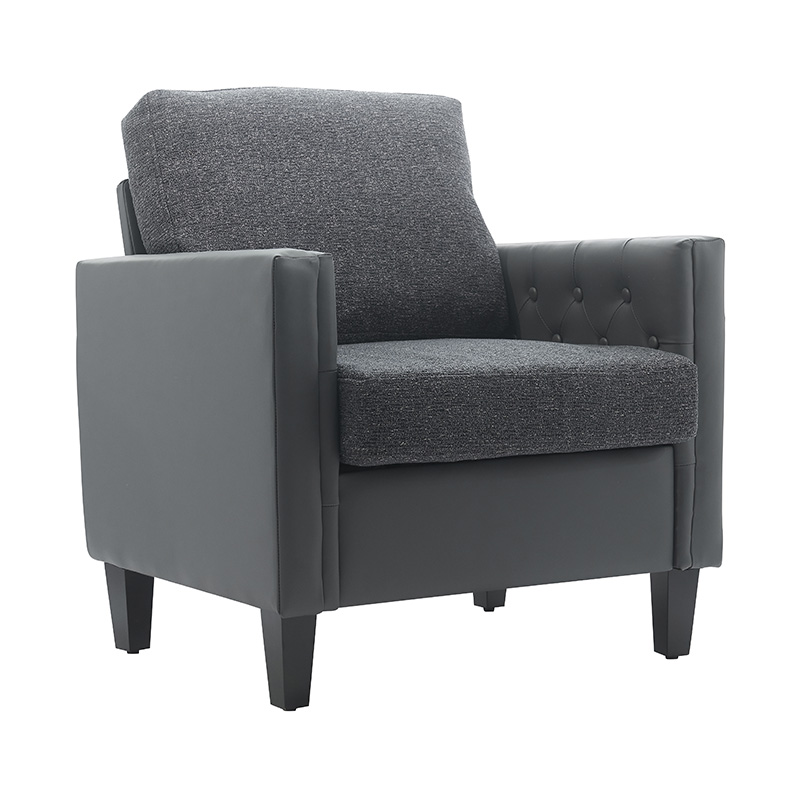
The classic two-seater with a traditional frame and cushioning. This style typically features straight arms or slightly curved armrests and works well in both formal and casual settings. Standard loveseats account for approximately 60% of loveseat sales according to furniture industry reports, making them the most popular choice among consumers.
Reclining Loveseat
Equipped with reclining mechanisms on one or both seats, these loveseats offer enhanced comfort for lounging and relaxation. Modern reclining loveseats often include features like built-in USB charging ports and cup holders. Note that reclining loveseats require additional clearance of 6-12 inches behind the furniture for full recline functionality.
Sleeper Loveseat
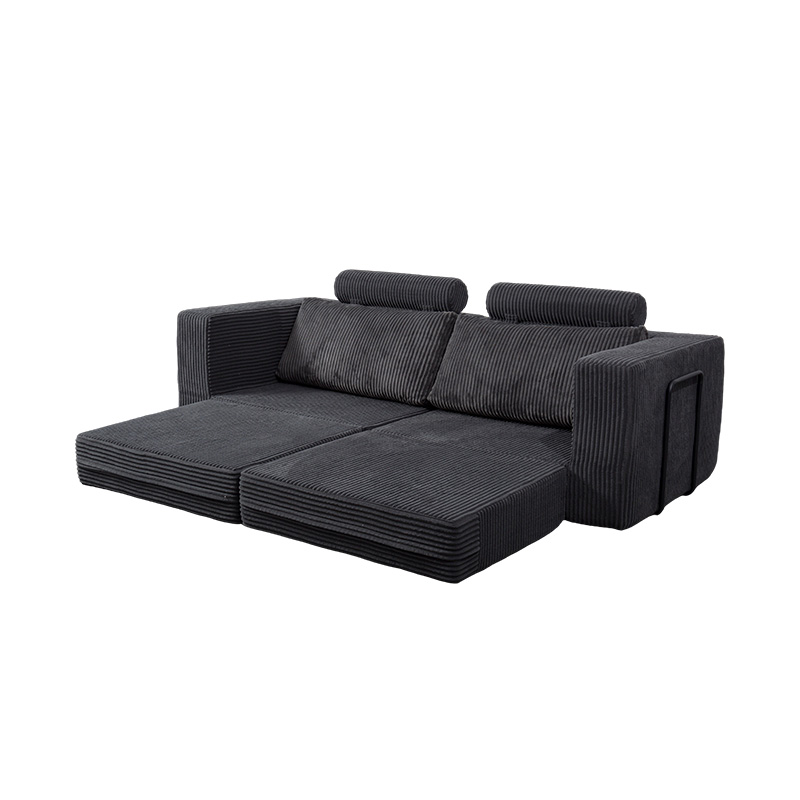
Convertible loveseats that transform into beds, perfect for accommodating overnight guests in limited spaces. The mattress size typically ranges from twin to full, with most models providing a sleeping surface of 48-54 inches wide. These pieces are particularly valuable in studio apartments or home offices where dual functionality is essential.
Apartment Loveseat
Specifically designed for tight spaces, apartment loveseats measure between 48-58 inches wide, making them narrower than standard models. Despite the reduced width, quality apartment loveseats maintain comfortable seating through strategic cushion placement and optimized armrest design.
Settee
A formal variation featuring an exposed wooden frame, upholstered seat, and often an upholstered back. Settees traditionally have a more refined, elegant appearance and are commonly used in entryways, bedrooms, or formal living areas rather than as primary seating.
Key Benefits of Choosing a Loveseat
Loveseats offer multiple advantages that make them attractive options for various living situations and design goals.
- Space Efficiency: Loveseats occupy 30-40% less floor space than standard three-seat sofas, making them ideal for apartments, condos, and smaller rooms where every square foot matters.
- Cost Savings: On average, loveseats cost $200-500 less than comparable full-size sofas, with mid-range models typically priced between $400-1,200 compared to $600-1,800 for sofas.
- Design Flexibility: The compact size allows for versatile placement options including pairing with a full sofa, creating conversation areas, or positioning in unconventional spaces like large bedrooms or home offices.
- Easier Mobility: Weighing between 80-150 pounds compared to 150-250 pounds for standard sofas, loveseats are significantly easier to move during cleaning, rearranging, or relocation.
- Intimate Seating: The two-person capacity naturally encourages closer interaction, making loveseats perfect for couples or creating cozy conversation areas.
How to Select the Right Loveseat for Your Space
Making an informed loveseat purchase requires careful consideration of several practical factors beyond aesthetic appeal.
Measure Your Space Accurately
Before shopping, measure the intended location precisely. Record the width, depth available, and ceiling height. Create a floor plan or use painter's tape to mark the loveseat's footprint on your floor, including the recommended 30-36 inch clearance zones. This visualization helps prevent the common mistake of purchasing furniture that technically fits but makes the room feel cramped.
Consider Doorway and Stairwell Dimensions
Approximately 15% of furniture purchases encounter delivery problems due to insufficient clearance. Measure all doorways, hallways, and staircases the loveseat must pass through. The diagonal dimension of the loveseat (measured from top back corner to bottom front corner) should be at least 2 inches smaller than your narrowest passageway.
Evaluate Frame and Construction Quality
Quality construction ensures longevity. Look for these indicators of well-built loveseats:
- Kiln-dried hardwood frames (oak, maple, or birch) rather than softwood or particle board
- Joints connected with dowels, screws, and corner blocks rather than staples alone
- Eight-way hand-tied springs or sinuous (S-shaped) springs, avoiding web suspension systems
- High-density foam cushions (minimum 1.8 density rating) for durability
Choose Appropriate Upholstery
Fabric selection should align with your lifestyle. For households with children or pets, performance fabrics with 30,000+ double rubs (durability rating) offer superior stain and wear resistance. Leather requires less maintenance but costs 40-60% more than fabric alternatives. Microfiber provides a budget-friendly option with decent durability, rated around 20,000-25,000 double rubs.
Test Comfort Before Purchasing
Whenever possible, sit on the loveseat for at least 5-10 minutes before buying. Evaluate seat depth (your back should rest against the backrest with feet flat on the floor), cushion firmness, and armrest height. A comfortable loveseat should support your lower back and allow you to sit in your preferred position without strain.
Loveseat Placement and Styling Ideas
Strategic placement maximizes both the functionality and visual impact of your loveseat within a room's design scheme.
Paired with a Sofa
Position the loveseat perpendicular or opposite to a full-size sofa to create an L-shaped or U-shaped conversation area. This arrangement works particularly well in living rooms measuring 12x14 feet or larger, where multiple seating pieces don't overwhelm the space. Maintain 3-8 feet between facing pieces for comfortable interaction and traffic flow.
As Standalone Seating
In smaller rooms (under 150 square feet), a loveseat can serve as the primary seating. Anchor it against the longest wall or float it in the room with a console table behind it to create definition without blocking sightlines. Complement with two accent chairs or a pair of ottomans for additional flexible seating.
Bedroom or Office Addition
Loveseats transform underutilized bedroom or home office space into functional reading nooks or consultation areas. Position near a window for natural light, or create a dedicated zone with a floor lamp and side table. This setup requires only 6x8 feet of floor space to feel comfortable rather than cramped.
Entryway or Hallway Seating
For wide entryways or hallways (minimum 5 feet wide), a compact loveseat or settee provides an elegant seating option while maintaining passability. This placement works especially well in homes with mudrooms or in apartments where the entrance flows directly into the living area.
Loveseat vs. Other Seating Options
Understanding how loveseats compare to alternative seating helps clarify whether this furniture piece suits your specific needs.
| Feature | Loveseat | Standard Sofa | Sectional |
|---|---|---|---|
| Seating Capacity | 2 people | 3-4 people | 4-8+ people |
| Width Range | 50-70 inches | 72-96 inches | 120-180+ inches |
| Average Price | $400-1,200 | $600-1,800 | $1,200-3,500 |
| Best For | Small spaces, pairs, secondary seating | Primary living room seating | Large families, open floor plans |
| Flexibility | High - easy to move and rearrange | Medium - moderate weight | Low - heavy and room-specific |
Maintenance and Care Tips
Proper maintenance extends your loveseat's lifespan and preserves its appearance. Industry research indicates that regular care can extend furniture life by 50% or more.
Regular Cleaning Routine
Vacuum upholstered loveseats weekly using the upholstery attachment to remove dust, dirt, and debris that can wear down fabric fibers. Pay special attention to crevices between cushions where crumbs and pet hair accumulate. For leather loveseats, wipe with a slightly damp cloth monthly and condition every 6-12 months to prevent cracking.
Stain Treatment
Address spills immediately by blotting (never rubbing) with a clean, dry cloth. Test any cleaning solution on an inconspicuous area first. For fabric loveseats, use cleaners appropriate to your upholstery code: W (water-based), S (solvent-based), WS (either), or X (vacuum only). Approximately 80% of stain damage can be prevented by treating spills within the first 5 minutes.
Cushion Maintenance
Rotate and flip reversible cushions every 2-4 weeks to ensure even wear and prevent sagging. Fluff and reshape cushions daily if possible. This simple habit distributes the compression across the entire cushion surface, significantly extending its supportive lifespan.
Protection from Damage
Position your loveseat away from direct sunlight to prevent fading—UV rays can discolor fabric by up to 40% within two years. Maintain at least 12 inches distance from heating vents and radiators to avoid drying out upholstery and frame joints. Use furniture protectors or throws if you have pets to minimize scratching and fur accumulation.