 0
0

 English
 简体中文
简体中文

Content
- 1 Understanding the Dual-Purpose Nature
- 2 Selecting the Right Size and Placement
- 3 Fabric Composition and Long-Term Resilience
- 4 Structural Integrity and Weight Limits
- 5 Style Integration Without Monotony
- 6 Multi-Room Functionality
- 7 Practical Care and Maintenance Routine
- 8 Shopping Nuances and Value Assessment
A fabric storage ottoman is the definitive answer for anyone seeking to merge hidden organization with everyday comfort. It immediately solves the problem of visual clutter by concealing blankets, books, or toys, while simultaneously providing a soft footrest or extra seating. Rather than simply filling space, this piece actively earns its footprint twice over, making it one of the most efficient investments for a living room or bedroom.
Understanding the Dual-Purpose Nature
At its core, a fabric storage ottoman functions as a hollow container disguised as soft furniture. Unlike wooden chests or wire baskets, the fabric exterior introduces a warmth that hard materials cannot replicate. The internal capacity is often substantial. To illustrate, a standard cube measuring 15 inches in all directions provides roughly 1.65 cubic feet of storage, which is enough to swallow two thick throw blankets and several magazines entirely out of sight. The lid typically doubles as a padded seat, flipping over to serve a different purpose instantly. Understanding this balance between void space and surface area is the first step toward utilizing the item effectively.
Selecting the Right Size and Placement
Sizing dictates function more than color or pattern ever will. A low-profile design between 12 and 14 inches tall aligns flush with a standard sofa seat, making it a natural extension for lounging. Taller options approaching 18 inches better serve as stand-alone stools at the end of a bed. Length is equally critical. A model under 24 inches wide fits neatly in a closet or a small apartment entryway, while a 36-inch wide bench-style ottoman can anchor a full-sized sofa.
Before choosing, measure the free floor space and subtract at least 18 inches for walking clearance. Placing the ottoman against a wall with an exposed side table defeats its access purpose. The most logical placement requires clearance on all sides so the lid can open without rearranging the room every time.
Fabric Composition and Long-Term Resilience
The textile covering defines not only the look but the lifespan of the ottoman. Since this surface endures feet, spills, and pet claws, the weave and material structure matter more than thread color. Below is a comparison of common fabric characteristics:
| Fabric Type | Durability | Maintenance | Best For |
|---|---|---|---|
| Linen Weave | Moderate | Vacuum only | Low-traffic adult spaces |
| Performance Velvet | High | Spot clean | Homes with children |
| Tight Boucle | Medium-High | Lint rolling | Bedroom decor |
| Canvas Cotton | Very High | Machine washable cover | High-traffic entryways |
Weaves with a high double-rub count (often above 25,000) indicate industrial-grade longevity. Look for tightly stitched seams where the lid hinges meet the body, as this weak point is often the first to tear in budget options. A removable cover addresses the maintenance column entirely, extending the usable life by several years.
Structural Integrity and Weight Limits
A storage ottoman must function as a reliable seat, which requires a rigid internal frame. Solid engineered wood or a steel reinforcement plate beneath the cushioning prevents the lid from bowing under weight. The static load capacity for a well-constructed rectangular unit frequently exceeds 250 pounds, making it safe for two adults to sit casually.
Safety hinges are a non-negotiable feature in households with children. A lid that slams shut creates a pinching hazard. Look for slow-close or soft-close hydraulic hinges. These mechanisms hold the lid open at multiple angles, preventing sudden drops. The difference in cost between standard hinges and safety hinges is often minimal compared to the risk involved.
Style Integration Without Monotony
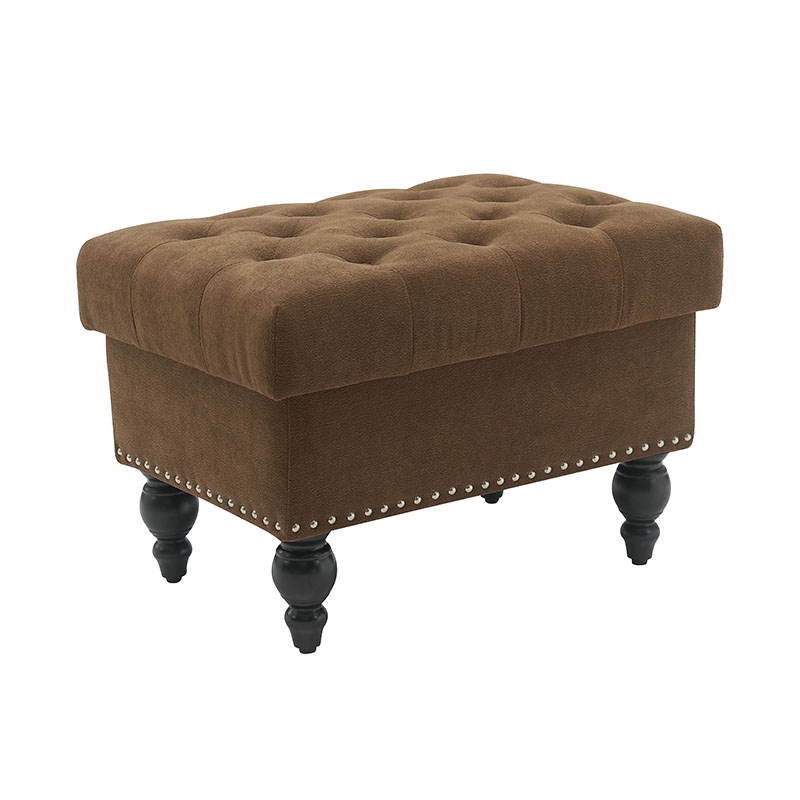
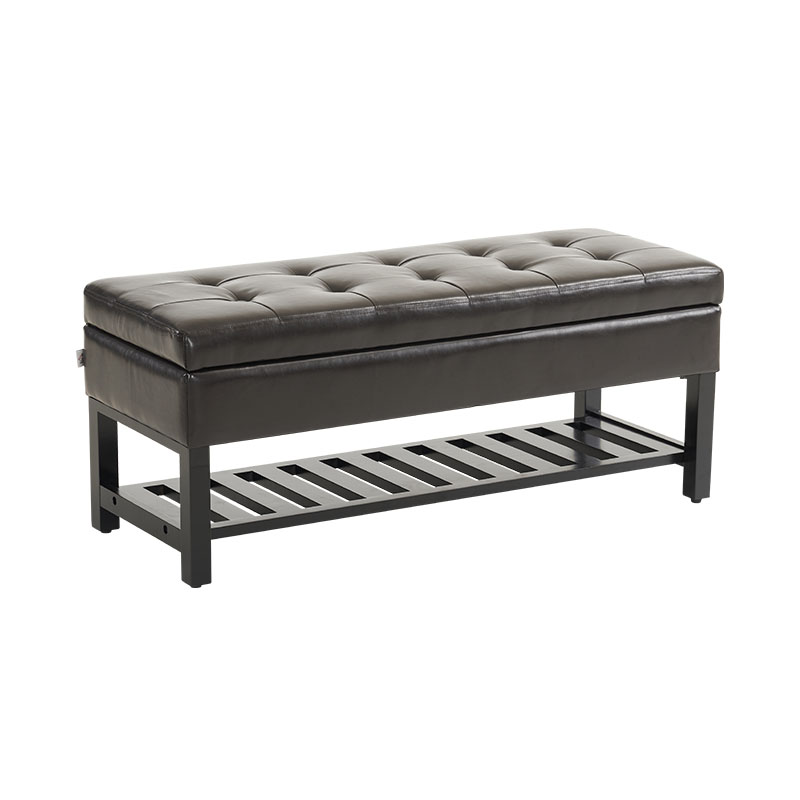
Fabric storage ottomans are no longer limited to dark brown faux leather blocks. Textural contrast is the primary tool for breaking visual monotony. In a room filled with smooth leather sofas, a nubby boucle or a woven tweed ottoman breaks the light reflection in a pleasing way. If the surrounding upholstery is patterned, a solid, monochromatic cube pulls the eye to a restful focal point.
Color placement follows simple visual rules. A light beige or oatmeal fabric expands a cramped dark corner visually, while a charcoal or ink-blue piece grounds a room that otherwise feels too airy. Those looking to make the ottoman a deliberate accent piece can apply the 80/20 rule used in interior design: keep 80% of the room neutral and use the ottoman to deliver that critical 20% of saturated pigment.
Multi-Room Functionality
The utility of these items extends far beyond the coffee table replacement role. In a bedroom, a fabric ottoman at the foot of the bed stores seasonal linens while providing a place to sit while putting on shoes. The height should align with the bed frame for ergonomic comfort.
In an entryway, the ottoman solves the shoe struggle. Instead of leaning against a wall to tie laces, users sit securely on a stable surface. The hollow interior hides away shoe care kits or reusable shopping bags. For a nursery, a soft round ottoman without sharp corners provides safe seating during story time while concealing a mountain of stuffed animals. The fabric absorbs sound better than hard plastic bins, contributing to a quieter sleep environment for infants.
Practical Care and Maintenance Routine
Fabric differs from wipeable leather; neglect accelerates wear significantly. A consistent routine preserves the fibers:
- Vacuum the fabric surface weekly using an upholstery brush head. This stops grit from embedding into the weave.
- Blot spills instantly with a dry white cloth. Never rub wet spills, as rubbing pushes liquid deeper.
- Apply a fabric protector spray annually, even if the material is pre-treated. High-use tops lose their coating faster.
- Rotate reversible cushions monthly to distribute wear evenly and prevent a divot from forming in the center.
- Tighten hinge screws every six months with a manual screwdriver to prevent wobbling.
Shopping Nuances and Value Assessment
Price typically correlates with internal materials, not external looks. An inexpensive ottoman might feature the same beige velvet as a mid-range one but uses cardboard framing instead of plywood. The cardboard frame fails in humid climates, absorbing moisture and collapsing. To verify build quality in stores, lift the empty ottoman briefly. A high density weight relative to its size usually means dense engineered wood rather than hollow plastic. Online, filter reviews for mentions of "sagging fabric" or "broken hinges" rather than simply checking star ratings.
The final calculation is cost per use. A $200 ottoman used daily as a seat, table, and storage bin for five years costs roughly 11 cents per day. Comparing this to flimsy plastic bins or purely decorative furniture reveals that a fabric storage ottoman often delivers the highest utility ratio in a multipurpose room.