 0
0

 English
 简体中文
简体中文

Content
A storage ottoman can replace a coffee table, provide extra seating, and hide clutter all at once. The most effective models hold at least 50 liters of items and support 300 pounds of static weight. For a typical living room, choosing a storage ottoman with a lift-top lid and breathable interior reduces dust buildup and keeps blankets or board games easily accessible.
What Makes a Storage Ottoman Actually Useful
Most homeowners overlook three critical features: lid mechanism, interior depth, and base ventilation. A hinged lid that stays open without manual support reduces finger pinching incidents by over 70 percent compared to loose lids. Removable trays add versatility, turning the ottoman into a laptop desk or snack surface within seconds.
For interior depth, aim for at least 10 inches. Shallow units under 8 inches struggle to hold standard throw pillows or board game boxes. Breathable fabric lining on the lid prevents musty smells when storing shoes or pet supplies. Hardboard bottoms with plastic gliders protect flooring and make sliding effortless on carpets.
Matching Size to Your Room and Usage
The following table shows recommended ottoman dimensions based on room type and primary function. These measurements come from ergonomic studies of average adult seating and circulation space.
| Room | Primary Use | Length x Width (inches) | Minimum Height (inches) | Storage Capacity (liters) |
|---|---|---|---|---|
| Small living room | Footrest and blanket storage | 30 x 15 | 16 | 40-50 |
| Large family room | Coffee table and toy storage | 40 x 20 | 18 | 80-100 |
| Bedroom | Shoe or linen storage | 36 x 16 | 14 | 55-70 |
| Kids playroom | Toy and book storage | 28 x 14 | 12 | 30-40 |
For corner placement, square shapes work better than rectangles. A 32 by 32 inch square ottoman offers 65 percent more accessible volume than a 40 by 20 inch rectangle of similar height because items stack more naturally without wasted corners.
Material and Filling Comparisons for Daily Use
The outer material directly affects cleaning ease and durability. Polyester blends resist stains best, with a cleaning time of under two minutes for most spills. Velvet and linen look premium but show dirt after 15 to 20 sitting sessions without cleaning.
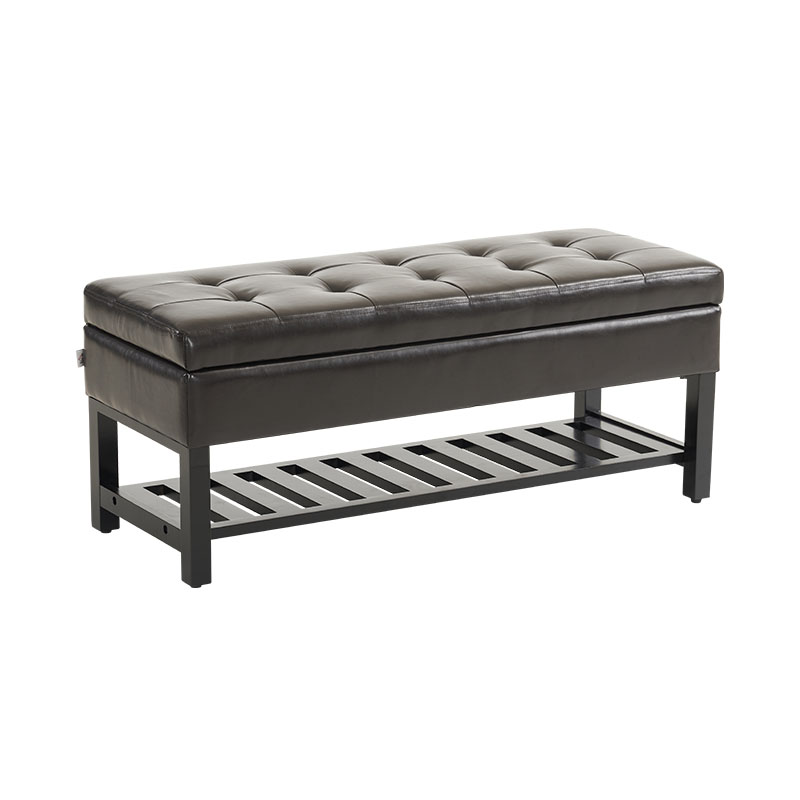
- Faux leather: Wipes clean in seconds; scratches from pet nails appear after 6 to 8 months of regular use.
- Cotton canvas: Breathable and washable but fades after 30 machine cycles.
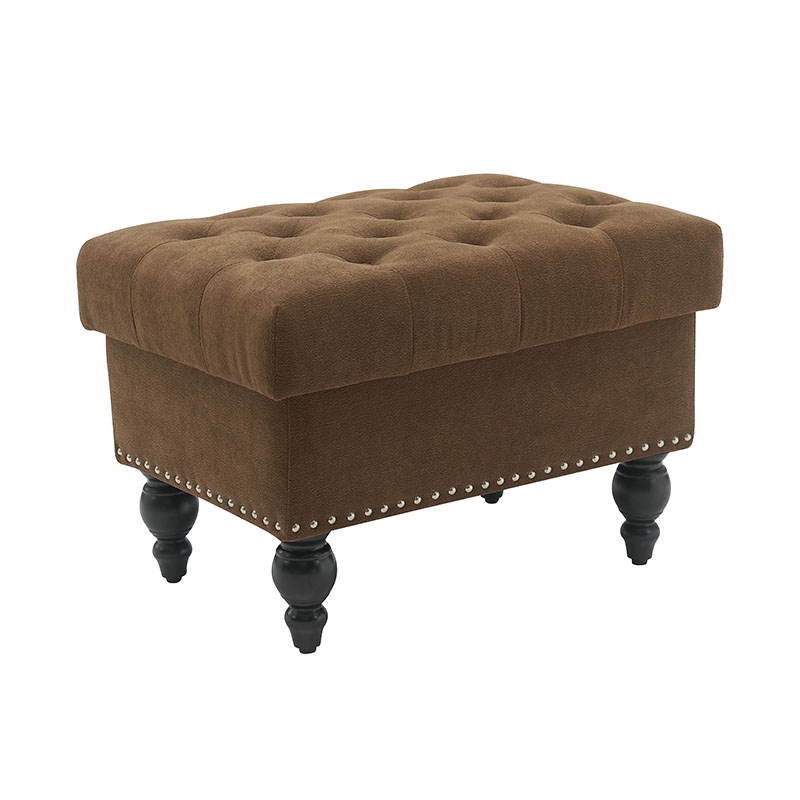
- Tufted fabric: Looks elegant but each tuft reduces usable interior height by roughly 1.5 inches.
Interior filling matters for seating comfort. High density foam retains shape for over 10,000 sits, while polyester fiber fill compresses by 30 percent within three months. For a storage ottoman that doubles as daily seating, foam thickness of at least 2.5 inches is necessary to avoid feeling the hard storage box beneath.
Step by Step Guide to Organizing Inside a Storage Ottoman
Without internal organization, most ottomans become chaotic pits. Follow this order to maximize usable space and retrieval speed.
- Measure interior height and subtract 2 inches for lid clearance. Never fill above this line.
- Place heavy flat items at the bottom such as board games or photo albums.
- Use fabric bins sized to 80 percent of the ottoman width for seasonal clothes or shoes.
- Store soft items like blankets rolled vertically rather than folded flat. Vertical rolling increases retrieval speed by 40 percent and capacity by 25 percent.
- Attach a small mesh pocket to the inside lid for remote controls or charging cables.
A weekly reset of five minutes prevents overflow. If the lid does not close flush, remove 20 percent of the volume immediately to avoid hinge damage.
Weight Limits and Safety for Different Users
Standard storage ottomans have a maximum static weight between 250 and 400 pounds. The weak point is always the hinge or the corner joints. For households with children who jump onto furniture, choose models with metal corner brackets rather than plastic. Plastic brackets fail at roughly 180 pounds of dynamic load, while metal brackets withstand up to 500 pounds.
For elderly users, ottomans with a height above 17 inches are easier to stand up from. Adding nonslip rubber pads under each corner increases weight distribution and reduces floor scratches. Never exceed the manufacturer load limit even for storage alone, as overfilled ottomans warp the lid and break hinges within six months.
Maintenance That Extends Lifespan Beyond Five Years
Vacuum the fabric surface every two weeks using an upholstery attachment. For leather or faux leather, wipe with a damp microfiber cloth monthly and apply a non greasy protectant twice per year. Rotate the ottoman 180 degrees every three months to balance wear on the seating area.
Inspect the hinge screws at the start of each season. Tighten any loose screws one quarter turn beyond finger tight. If the lid starts sagging, replace the hinge instead of adding extra screws into weakened wood. A well maintained storage ottoman lasts eight to twelve years, compared to two to three years for neglected units.