 0
0

 English
 简体中文
简体中文

Content
A fabric storage ottoman does what most living room furniture cannot: it looks good, seats guests, doubles as a coffee table, and quietly hides the clutter you don't want on display. For modern interiors where every square foot matters, that kind of multi-role versatility is hard to beat.
Hidden Storage Without Sacrificing Style
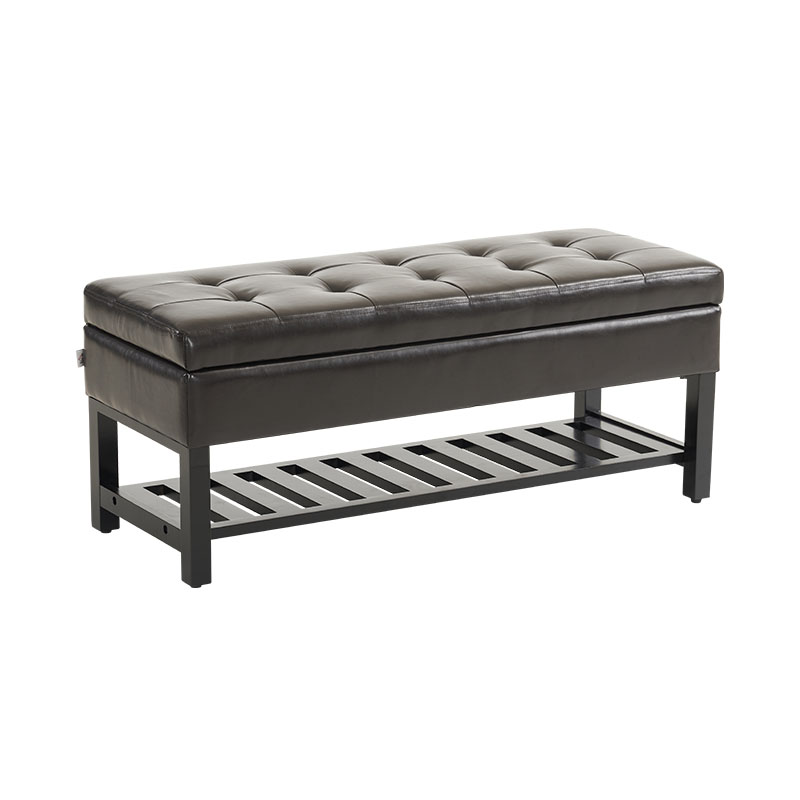
The defining advantage of a fabric storage ottoman is its concealed compartment. Blankets, remote controls, board games, children's toys — all of it disappears behind a padded lid that looks like a design choice, not a storage solution. Unlike open shelving or visible baskets, a fabric ottoman keeps sightlines clean and rooms feeling intentional.
Fabric upholstery plays a key role here. Textiles like linen, velvet, and performance weaves come in hundreds of colors and textures, making it straightforward to match an existing sofa or introduce a contrasting accent. The material softens the overall look of a room in a way that leather or hard-sided storage furniture cannot.
Three Functions, One Piece of Furniture
A well-chosen fabric storage ottoman typically serves at least three purposes simultaneously:
- Seating — the foam-padded top handles additional guests without needing extra chairs.
- Footrest — its original purpose, still effective for everyday comfort.
- Surface — add a tray and it becomes a stable coffee table for drinks and books.
This versatility makes it particularly valuable in open-plan living rooms and studio apartments, where investing in a single piece that does the work of three is a straightforward way to reduce furniture count without reducing function.
A Natural Fit for Modern Interior Design
Contemporary interiors tend to favor clean profiles, natural materials, and furniture that avoids visual bulk. Fabric storage ottomans align with all three preferences. A low-profile rectangular ottoman in a neutral linen or a tightly woven boucle reads as intentional and considered rather than utilitarian.
They also scale well across design styles. A button-tufted fabric ottoman suits transitional or classic rooms; a smooth, square-edged piece in a muted tone works cleanly in Scandinavian or minimalist spaces. The material choice is the primary design lever, and fabric offers far more options than any other upholstery category.
If you are sourcing for a project or retail line, exploring a curated range of fabric storage ottomans with consistent construction standards makes specification considerably easier.
Practical Durability for Daily Use
Modern performance fabrics — solution-dyed acrylics, polyester blends, and treated wovens — resist staining, pilling, and fading far better than their predecessors. A fabric ottoman in a family living room is no longer a maintenance liability; it's a practical choice that holds up to daily contact while remaining easy to spot-clean.
Frame construction matters as much as the fabric itself. Kiln-dried hardwood frames resist warping and provide a stable base for the lid mechanism. A reinforced hinge is worth verifying: it determines whether the lid stays open safely when you're accessing storage, and whether it remains sturdy after years of use.
Space Efficiency That Compounds Over Time
In smaller living rooms, the question is rarely whether to have storage — it's where to put it without the room feeling crowded. A fabric storage ottoman solves this by occupying floor space that would be used anyway (the area in front of a sofa) and converting it into usable storage. No additional footprint required.
For retailers and interior buyers, this efficiency translates directly into customer satisfaction. Pieces that solve a real problem — where do I put all of this? — tend to generate repeat business and straightforward recommendations. Browse the full storage ottoman collection to compare configurations, sizes, and fabric options suited to different room types and order volumes.
The Bottom Line
A fabric storage ottoman earns its place in modern interior design not through novelty but through consistent usefulness. It stores, seats, surfaces, and decorates — all from a single position on the floor. For anyone furnishing a home or sourcing products for clients, it represents one of the clearest value-per-square-foot decisions available in residential furniture.