 0
0

 English
 简体中文
简体中文

Content
- 1 What Makes a Loveseat the Right Small Couch for a Bedroom
- 2 How to Size a Loveseat for Your Bedroom
- 3 Choosing the Right Material for Bedroom Use
- 4 Style Considerations: Making the Loveseat Fit the Bedroom Aesthetic
- 5 Convertible and Modular Options for Compact Bedrooms
- 6 Three Questions to Ask Before You Buy
Most bedroom sofas go unused within a year — not because they were a bad idea, but because buyers picked the wrong size or style. A loveseat sofa solves the bedroom seating problem better than any armchair or bench, provided you choose one that actually fits the space and the way you live.
What Makes a Loveseat the Right Small Couch for a Bedroom
A loveseat is a two-seat sofa, typically 52 to 65 inches wide and 30 to 40 inches deep. That footprint is the sweet spot for bedrooms: substantial enough to be genuinely comfortable, compact enough to leave the room breathable. A full sofa at 80–90 inches would dominate most bedrooms; an armchair gives you only a single seat. The loveseat lands right between the two.
In rooms under 150 square feet, a compact loveseat placed against a wall leaves 30–36 inches of clearance — enough to walk around freely without the room feeling like a maze. For master bedrooms with more floor space, a loveseat at the foot of the bed creates a natural reading or dressing nook without requiring a second seating zone.
The key use cases are simple: a spot to sit while putting on shoes, a place to read without getting back into bed, a surface for folding laundry, or seating for a guest who doesn't need the full bed. A well-chosen compact sofa for bedroom use handles all of these quietly and without taking over the room.
How to Size a Loveseat for Your Bedroom
Measure before you buy. The number most people skip is the depth — not the length. A loveseat 35 inches deep juts noticeably further into the room than one at 28 inches, even if the width is the same. For tight bedrooms, prioritize shallower depth over width.
| Room Size | Recommended Width | Max Depth | Best Placement |
|---|---|---|---|
| Under 120 sq ft | 48–55 inches | 28–30 inches | Corner or window wall |
| 120–180 sq ft | 55–62 inches | 30–34 inches | Foot of bed or opposite wall |
| 180+ sq ft | 62–72 inches | 34–38 inches | Dedicated seating nook |
Also measure your doorway. Loveseats are easier to move than full sofas, but a 58-inch piece can still be tricky through a narrow hallway. Check the width of the room entry and any stairwells before finalizing your choice.
Choosing the Right Material for Bedroom Use
Bedrooms are low-traffic but high-contact environments. You're likely sitting on the sofa in lightweight clothing, not jeans. That shifts the material decision away from pure durability and toward feel and cleanability.
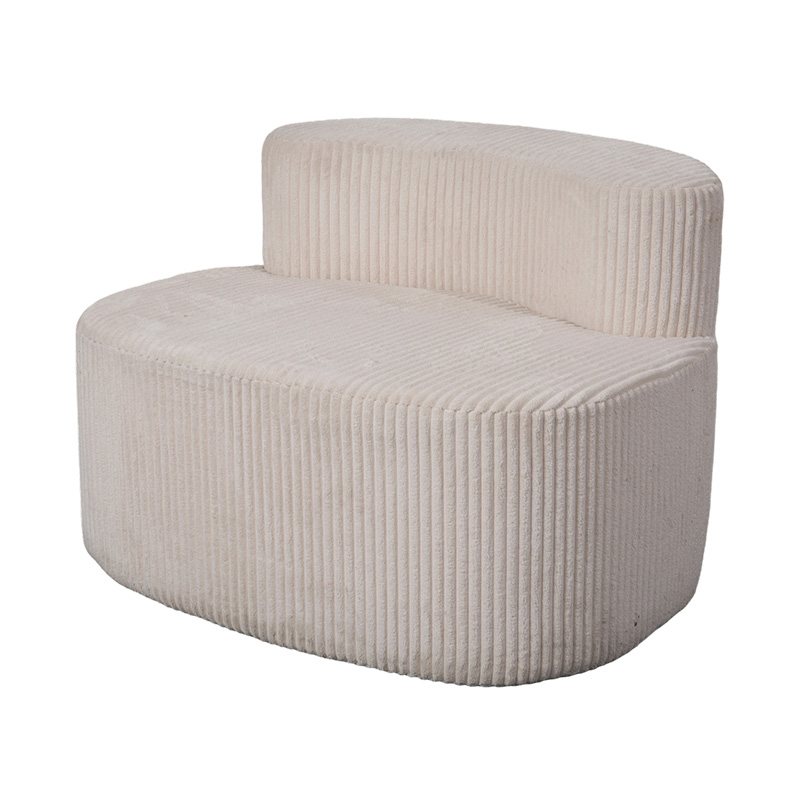
Fabric sofas — particularly velvet, chenille, and corduroy — feel the most comfortable against bare skin and add warmth to a bedroom's atmosphere. A soft fabric sofa in neutral tones like cream or light gray integrates naturally with most bedroom palettes. The trade-off is that fabric requires more care: spot cleaning and occasional vacuuming keep it looking fresh.
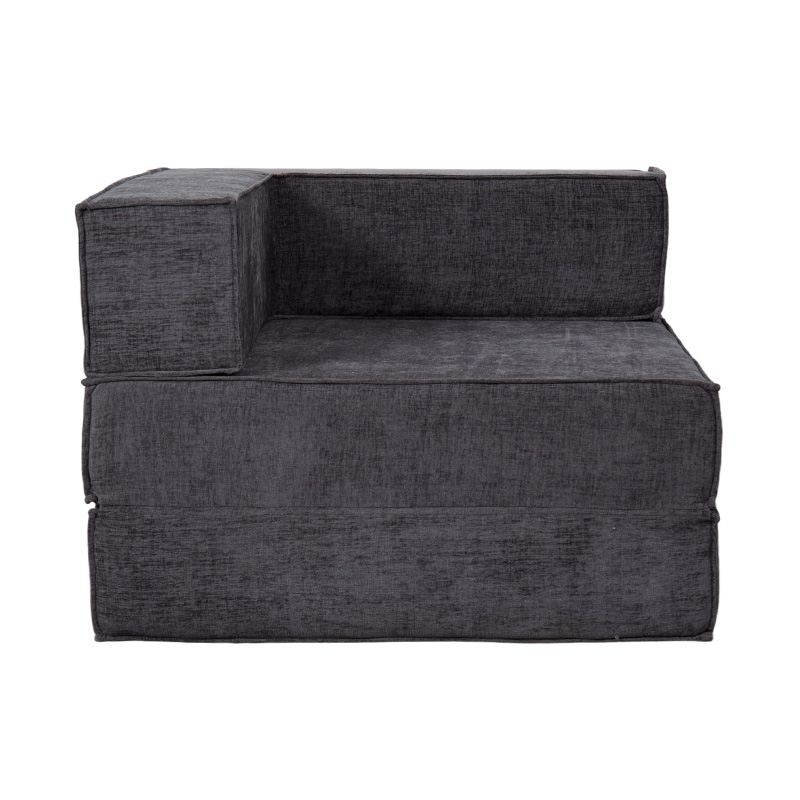
Faux leather wipes clean in seconds — a real advantage if you use the bedroom sofa as a landing pad for work bags, pet lounging, or morning coffee. A faux leather loveseat in a dark tone handles daily contact without showing wear. The downside: it feels warmer in summer and slightly less plush overall.
Full-foam construction is worth considering specifically for bedroom sofas. Unlike spring-based sofas, full-foam sofas have no internal noise, no creaking, and no sagging zones over time — qualities that matter more in a bedroom than anywhere else in the home. High-density foam rated D30 and above maintains its shape through years of daily use.
Style Considerations: Making the Loveseat Fit the Bedroom Aesthetic
The bedroom is the one room where you see the furniture first thing every morning. A loveseat that clashes with the bed, curtains, or rug undermines the whole space. A few reliable approaches:
- Match the undertone, not the exact color. A warm cream sofa works beside warm white bedding; a cool gray sofa pairs with cooler blues and greens. Getting the undertone right is more important than finding an exact shade match.
- Low-profile silhouettes open up the room visually. A sofa with a low back and slim arms takes up less visual weight than an overstuffed traditional design. In bedrooms where the ceiling feels low or the floor space is tight, this makes a noticeable difference.
- Curved backrests add softness. Hard, angular furniture feels out of place in most bedrooms. A loveseat with a curved backrest echoes the softer lines of pillows, bedding, and rounded headboards — creating coherence without effort.
Convertible and Modular Options for Compact Bedrooms
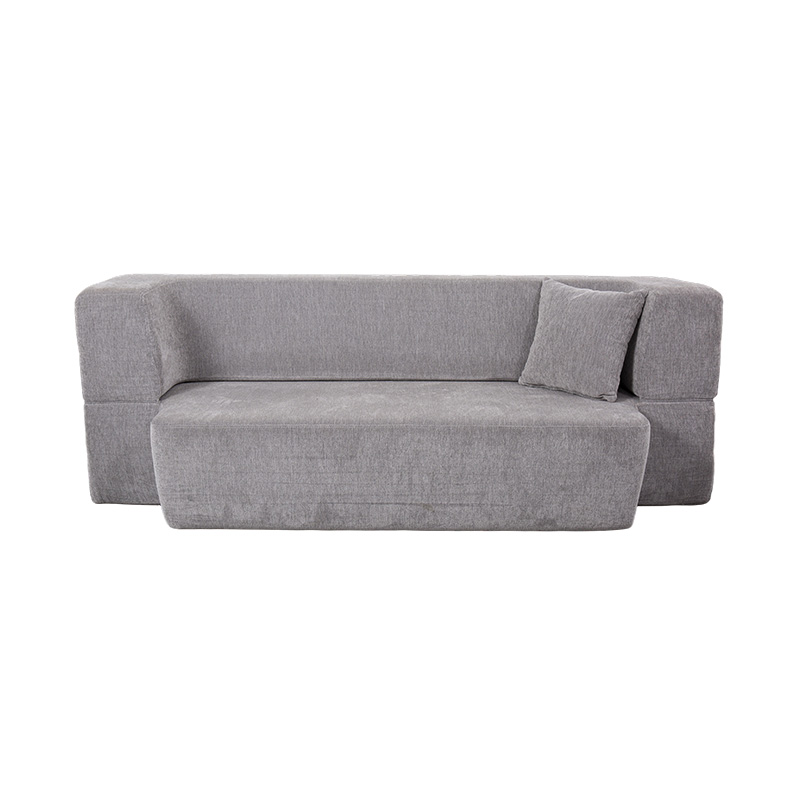
If the bedroom doubles as a guest room, a convertible loveseat sofa bed solves two problems at once: everyday seating and occasional sleeping. Click-clack and fold-flat mechanisms let the sofa transition from upright to fully flat without tools. For regular guest use, look for models with foam density of at least D30 in the sleeping position — thin foam over a hard frame becomes uncomfortable by morning.
Modular loveseats offer a different advantage: you can separate the pieces to move them through doorways, then reassemble. This matters more than most buyers expect until they're standing in a stairwell with a sofa that won't turn the corner.
For more guidance on matching sofa types to specific spaces and use cases, the complete loveseat selection guide covers sizing, style, and material decisions in detail.
Three Questions to Ask Before You Buy
- Where exactly will it sit? Mark the footprint on the floor with tape before ordering. Width and depth on paper feel different once you can see the rectangle in your actual room.
- How will you use it daily? Reading, working, watching phone content, and sitting as a dressing bench all suggest different depths, back heights, and firmness levels. Match the sofa to the primary use, not the secondary one.
- Can it get into the room? Doorway width, hallway turns, and stairwell clearance catch buyers off guard more often than any other variable. A 55-inch loveseat in a box is still an awkward object to navigate through a 30-inch door.
A loveseat sofa is one of the most underused opportunities in bedroom furniture. The right one — properly sized, well-made, and suited to how the room actually functions — earns its space every single day.