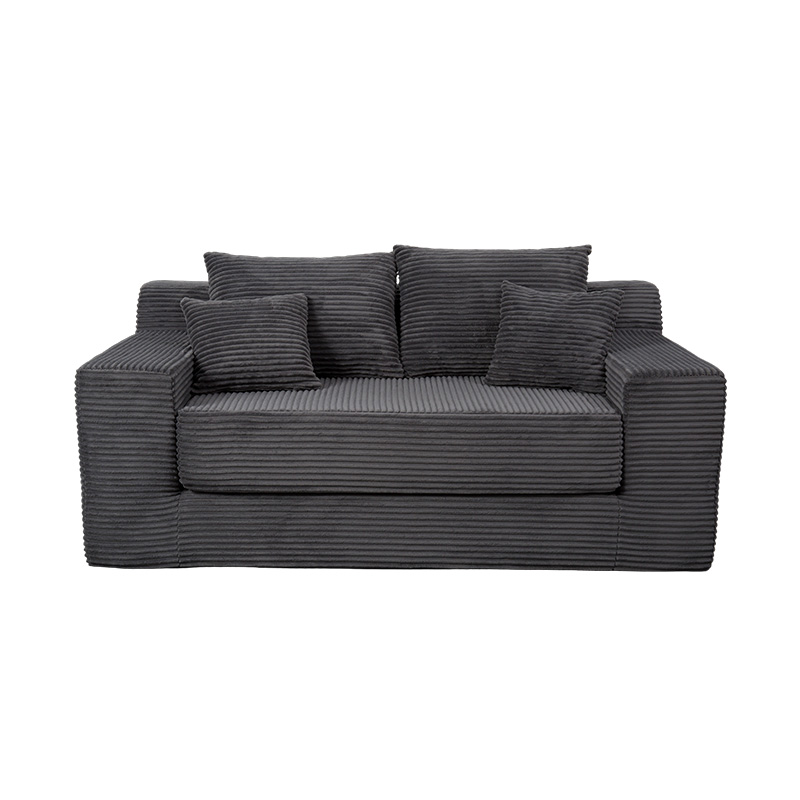
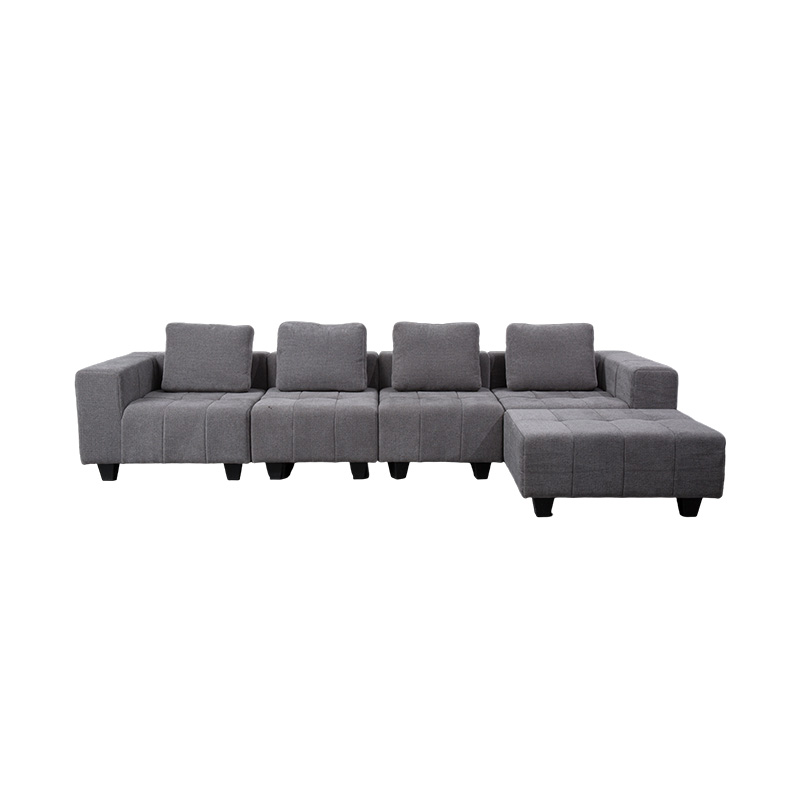
0

 English
 简体中文

Content
A muddy paw print on a pale sofa is not just a cleaning problem. It is a specification problem.
Pet-friendly furniture is not a single label or a special coating. It is a set of material and construction decisions that determine whether a sofa, bench, or storage ottoman can handle daily hair, claws, drool, and the occasional accident without looking tired within a year. The useful questions are practical: how tightly is the fabric woven, how dense is the foam, can the cover be removed, and does the frame stay rigid when a dog jumps up?
For buyers sourcing for households with animals, the most reliable approach is to treat upholstery and foam as one system. A tight fabric over soft, low-density foam still fails because the seat flattens. A dense foam core under a loose linen weave still collects hair and snags. Our own factory setup includes foam production, which makes it easier to match cushion density to the way a piece will be used.
What Makes Furniture Pet-Friendly?
Pet-friendly furniture is built around three daily realities: shedding, claw contact, and spills.
Hair behaves differently on every surface. It sits on top of smooth faux leather, but it works into velvet, chenille, and loose woven fabrics. Claws do not usually cut upholstery; they pull threads. A tight weave gives the claw less loop to catch. Accidents are a liquid problem, so a cover that can be removed and washed, or a surface that can be wiped, matters more than a stain-resistant marketing name.
The practical checklist is short:
- Tight weave with a low pile, so hair releases under a vacuum instead of locking into the surface.
- Rounded or padded edges, because sharp corners take repeated impact when animals jump on and off.
- Removable covers on seats and back cushions, ideally with zip access and clear washing instructions.
- Seat cushions that can be rotated, so heavy use is spread across the foam rather than concentrated in one spot.
These details are more useful than a pet-proof claim. They can be checked on a sample, in a specification sheet, or during a factory audit.
Upholstery Choices That Survive Claws and Hair
Tight-weave microfiber, performance polyester, and tight faux leather are the most practical upholstery choices for homes with pets.
The table below compares common options by hair pickup, snag risk, cleaning, and the rooms where each material makes sense.
| Material | Hair pickup | Claw risk | Cleaning | Best use |
| Tight-weave microfiber | Low to moderate | Low | Blot with water and mild soap | Family living rooms and bedroom benches |
| Performance polyester | Moderate | Low | Vacuum and spot clean | High-traffic seating with removable covers |
| Faux leather | Very low | Moderate at seams | Wipe with a damp cloth | Homes with drool, crumbs, and frequent wiping |
| Velvet and chenille | High | Moderate | Low-suction vacuum | Low-shedding pets and adult-only rooms |
| Linen and loose weave | High | High | Spot clean with care | Decorative pieces away from daily pet traffic |
Faux leather is the easiest surface for drool and hair, but seams and stitching need inspection. A wipe-clean faux leather sofa can be a practical choice for a busy living room when the cover is tight to the frame and the seams are reinforced.
 Customizable Patchwork Leather Sofa with Velvet CushionsA light grey patchwork leather sofa with velvet seat cushions and leather armrests, customizable in size, material, finish, and stitching for living rooms or lounges.View Product →
For fabric-led interiors, this guide to fabric sofas for everyday living is useful when balancing softness with cleanability. Ask for a swatch before committing, then rub it with a damp cloth and a pet brush. A fabric that pills or lifts fibers on the sample will do the same on the sofa.
Foam and Frame Details That Pet Owners Should Check
Dense foam and a rigid frame matter as much as the fabric because claws, jumping, and washing all stress the cushion core.
A full-foam seat is built from foam rather than a spring unit, so there are fewer internal edges for pressure to concentrate on. That does not make every full-foam sofa equal. Density, thickness, and the support layer underneath decide whether the seat stays firm after months of a dog launching onto the same cushion.
Full-foam build
- Fewer internal edges for pressure points.
- Shape retention depends on foam density and thickness.
- Easier to specify for modular layouts and custom sizes.
Spring or low-density build
- Springs can feel lively, but weak fill flattens above them.
- Low-density foam loses height faster under repeated loading.
- Repair is harder when the core is sealed inside the cover.
For pet households, the seat should feel supportive rather than soft enough to bottom out. A modular or reconfigurable piece can also help because damaged or heavily used modules can be rotated or replaced without discarding the whole room layout.
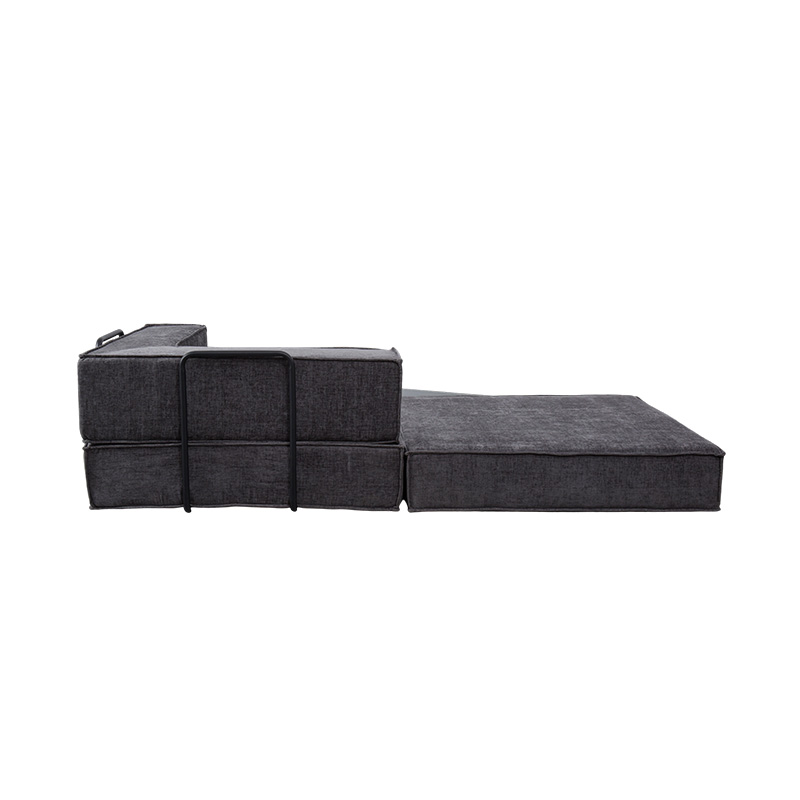 Dark Gray Modular Full-Foam Sofa for Flexible Living SpacesA frameless, no-assembly modular sofa in durable dark gray chenille, with firm full-foam support and units that combine for apartments, offices, or pet-friendly living rooms.View Product →
Layout, Storage, and Daily Use
The best pet-friendly layout gives animals a clear route and gives owners storage within reach.
Furniture placement affects wear as much as fabric does. A sofa pushed tight against a wall leaves no room to vacuum behind it, and a low seat with deep cushions invites pets to claim the same spot every day. A little planning reduces both cleaning friction and cushion compression.
- Entry route: leave a clear path from the door to the living area so wet paws are not funneled across pale upholstery.
- Seat height: choose a seat that is easy for older pets to reach and easy for owners to vacuum underneath.
- Storage: keep leashes, brushes, and toys in one place so they do not end up buried in cushion seams.
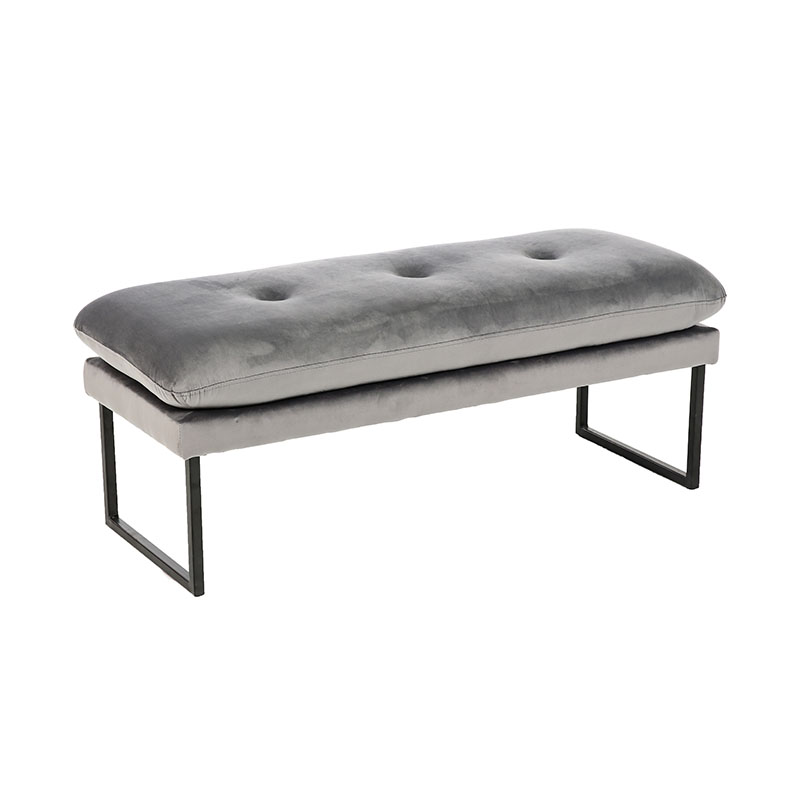
A fabric storage bench or storage ottoman earns its space when the lid stays open, the top can be wiped, and the feet do not trap hair. It also gives the household a place to sit while putting on leads or grooming a pet after a walk.
 Light Grey Fabric Storage Bench with Padded SeatA light grey linen storage bench with padded seating and hidden storage for blankets, customizable in fabric, cushion style, and size for bedrooms or hallways.View Product →
A Cleaning Routine That Protects the Sofa
A short weekly routine removes most pet hair before it works into seams and cushion creases.
- Vacuum upholstery with a brush attachment, using low suction on velvety surfaces and a rubber brush on tighter weaves.
- Blot spills immediately with a white cloth, working from the edge inward so the stain does not spread.
- Rotate and flip loose seat cushions where the construction allows, so foam recovers and wear is shared.
- Check seams, zips, and feet each month for loose threads, trapped hair, or wobble before small issues become repairs.
For odors, remove the source first, then use a cleaner recommended for the specific fabric or faux leather finish. A cover that can be washed is helpful, but only when the washing instructions match the household routine.
Frequently Asked Questions
Most pet owners should start with a tight weave, a cleanable surface, and dense foam, then compare color and shape.
What is the most pet-friendly sofa fabric?
Tight-weave microfiber and performance polyester are reliable starting points because they release hair and resist snagging. Faux leather is easier to wipe but needs reinforced seams and a finish that tolerates regular cleaning.
Is faux leather suitable for cats?
Faux leather resists hair and drool well, but claws can catch on weak seams or thin coatings. Check the stitching, ask about the coating thickness, and keep scratching posts near the furniture.
Does full-foam construction help with pet wear?
Full-foam seats can hold shape well when the density is adequate. The benefit comes from the foam specification, not the label alone, so ask for density, thickness, and support-layer details.
How can I keep pet hair off upholstery?
Vacuum weekly with a brush or rubber tool, keep a washable throw on the pet's favorite spot, and choose a low-pile surface over velvet or loose weave. Hair that sits on the surface is far easier to remove than hair worked into the seams.