 0
0

 English
 简体中文
简体中文

Content
Fabric sofas outsell leather by a wide margin in most markets. They bring warmth, texture, and an almost infinite range of colours and patterns into a room. But that variety also means the difference between a sofa that still looks new after five years and one that pills, fades, and stains the moment a glass of red wine tips over.
The secret lies in understanding the upholstery itself. Material type, rub count, and cleaning code all matter more than the silhouette or the price tag alone. Get those right, and you own a piece that ages gracefully. Get them wrong, and even the most beautiful sofa turns into a disappointment.
Fabric types that define a sofa’s personality
Cotton, linen, polyester blends, velvet, chenille, and microfiber all behave differently under daily use. Some offer a crisp, tailored look; others invite you to sink in and stay. The table below breaks down the key characteristics so you can match the material to your lifestyle.
| Fabric | Durability | Feel | Cleanability | Ideal for |
|---|---|---|---|---|
| Cotton & cotton blends | Moderate (prone to wrinkling) | Soft, breathable | Water-based cleaning only | Low-traffic living rooms, adult households |
| Linen | Low to moderate | Cool, textured | Professional cleaning recommended | Formal sitting areas, pet-free homes |
| Polyester & polyester blends | High (resists fading, pilling) | Smooth to slightly textured | Solvent or water-based depending on blend | Family rooms, rental properties |
| Velvet & chenille | Moderate to high (dense pile) | Plush, luxurious | Blot spills immediately; solvent often safest | Statement seating, master lounges |
| Microfiber | Very high (tight weave) | Suede-like, warm | Water-based; excellent stain release | Homes with children and pets |
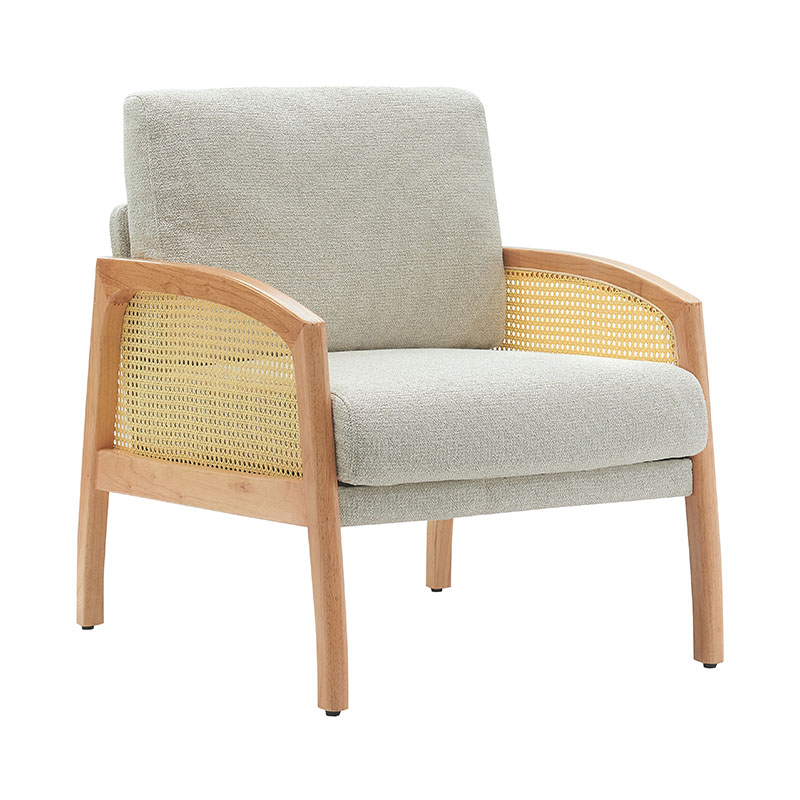
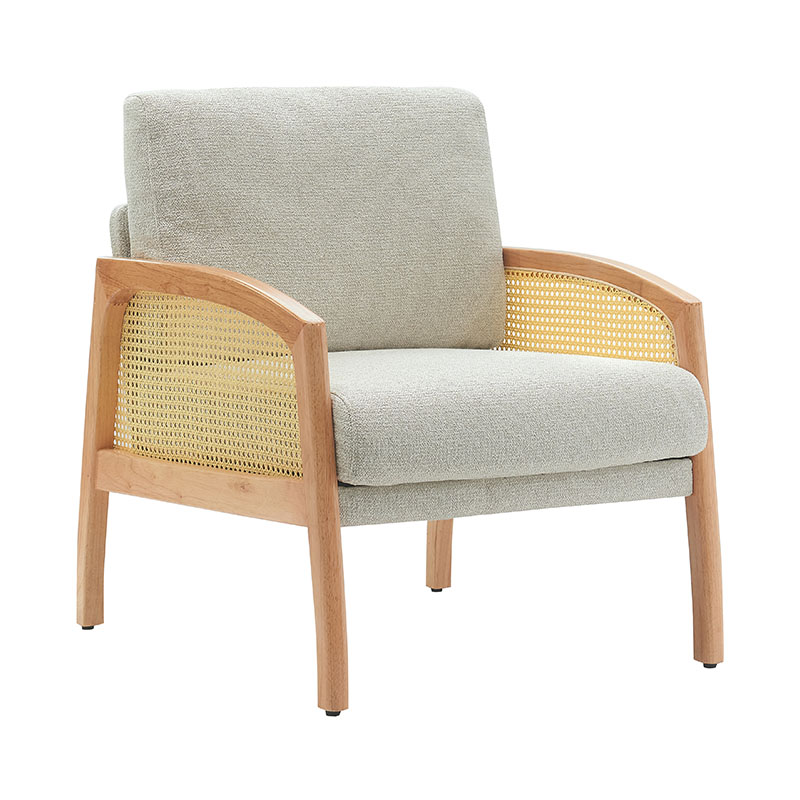
Cotton and linen feel wonderfully natural but show their age quickly unless the room is used lightly. Polyester blends strike the best balance for real life. A linen sofa with rattan armrests can anchor a sun-bleached conservatory beautifully, while high-traffic open-plan spaces often call for the resilience of a tightly woven microfiber or a performance polyester.
Durability beyond guesswork: the Martindale rub count
Upholstery durability is not a matter of opinion. It’s measured by the Martindale test, which rubs a standard abrasive disc against the fabric until it shows significant wear. The result is a rub count—the single most reliable number on a fabric sofa spec sheet.
- 10,000–15,000 rubs: Suitable for decorative or very occasional use.
- 15,000–25,000 rubs: General domestic use; fine for adult households with moderate traffic.
- 25,000–40,000 rubs: Heavy domestic use; families, pets, daily lounging.
- 40,000+ rubs: Commercial-grade; built for constant abrasion without visible change.
Always check the rub count before you buy. A sofa covered in a 12,000-rub cotton will look tired within a year in a busy living room, while a 35,000-rub polyester blend can shrug off scratching claws and bouncing children. If the number isn’t displayed, ask the retailer directly—reputable manufacturers test every batch.
Cleaning codes: the small tag that saves big heartache
On the care label sewn into the cushion or under the frame, you will find one of three codes. These letters dictate exactly what you can—and cannot—use on a spill. Ignoring them can ruin the fabric permanently.
- W – Water-based cleaners only. Distilled water, mild soap solutions, and water-based upholstery shampoos.
- S – Solvent-based cleaners only. Dry-cleaning solvents, never water. Water will leave rings or cause shrinkage on these fabrics.
- SW – Both water- and solvent-based cleaners are safe. The most forgiving option for everyday life.
If your household includes young children or pets, look for an SW code or a manufacturer-applied stain-resistant finish. Many polyester and microfiber covers come pre-treated, while natural fibres almost always demand professional attention. The code is non-negotiable: a W-only sofa in a Netflix-and-snack living room is a liability, not a comfort.
Style and colour: more than just a pretty face
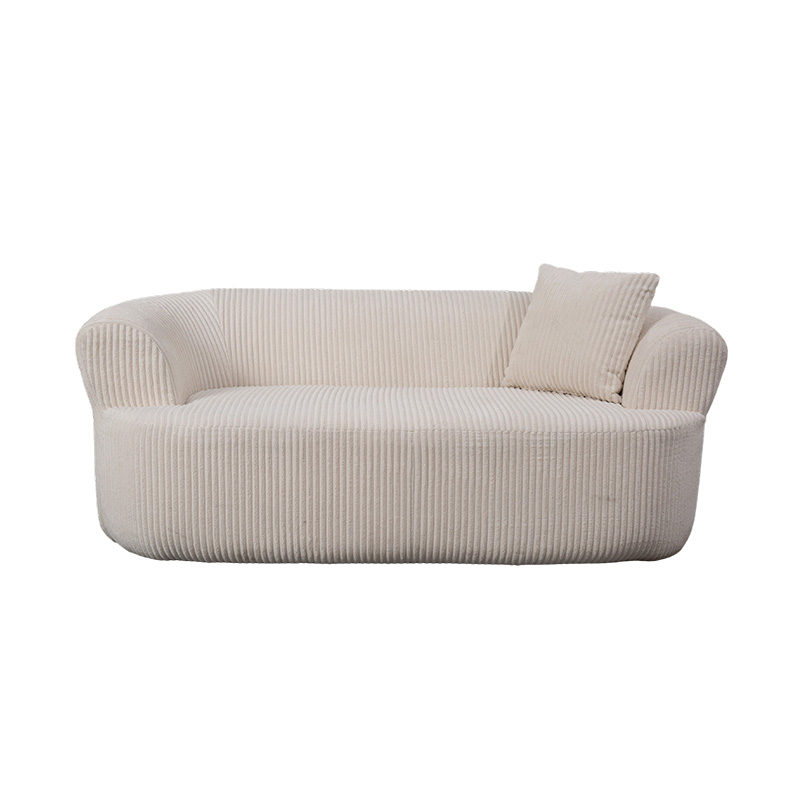
Fabric sofas carry colour and texture with far more depth than leather ever can. That’s why a single fabric choice can change the entire mood of a room. But darker shades and multitone weaves also hide daily soiling far better than pale, solid colours. A charcoal chenille or a flecked tweed reads as “fresh” long after a cream linen has started to look sorry for itself.
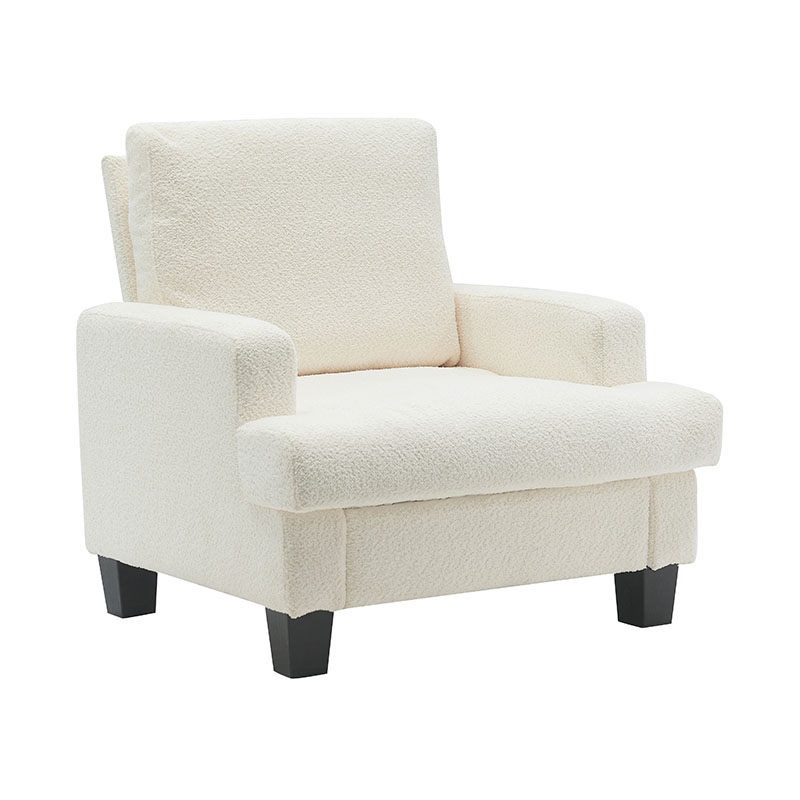
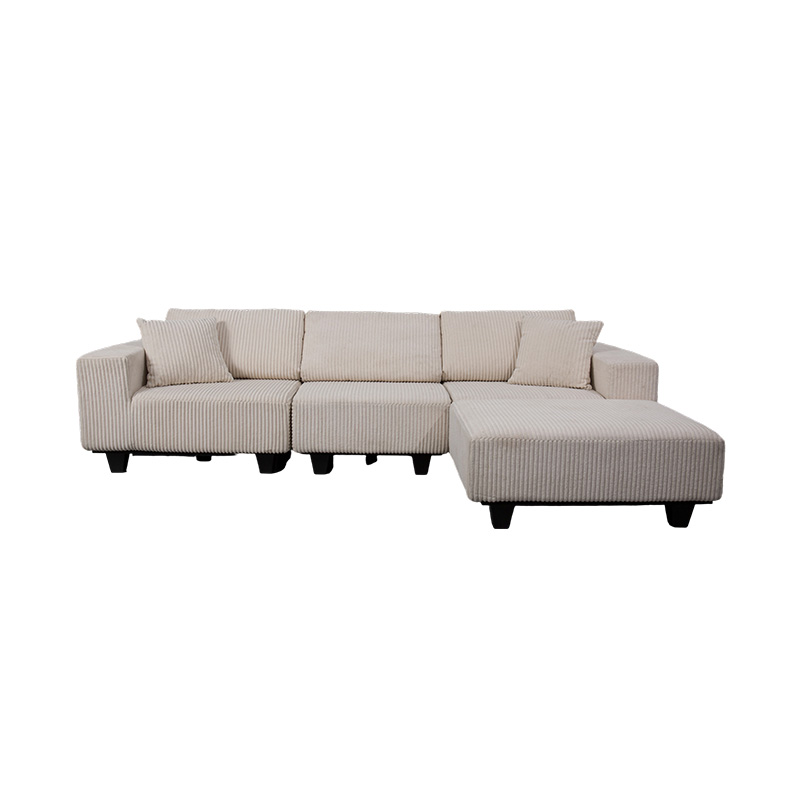
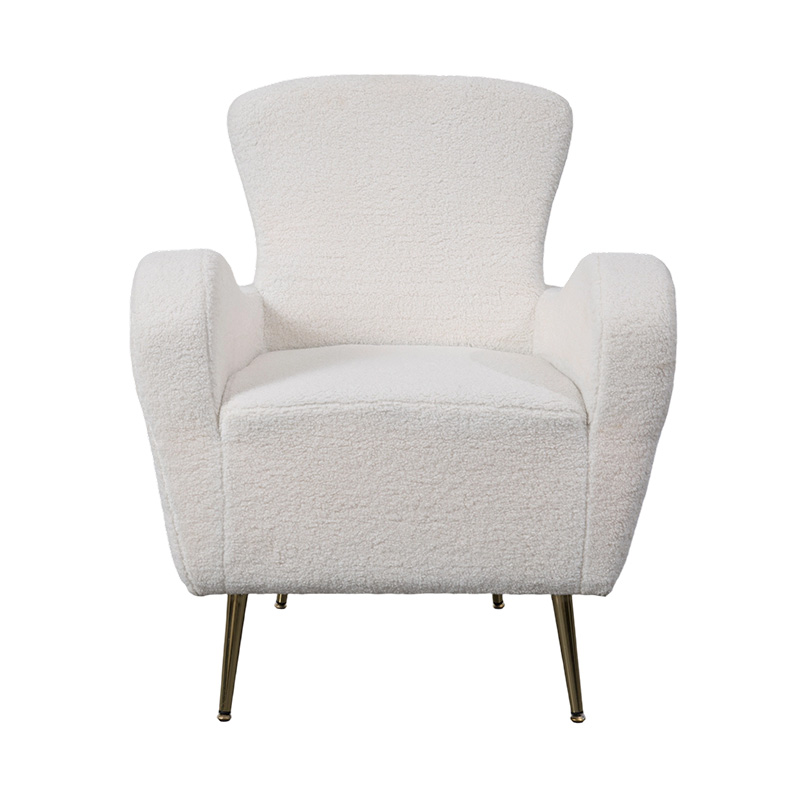
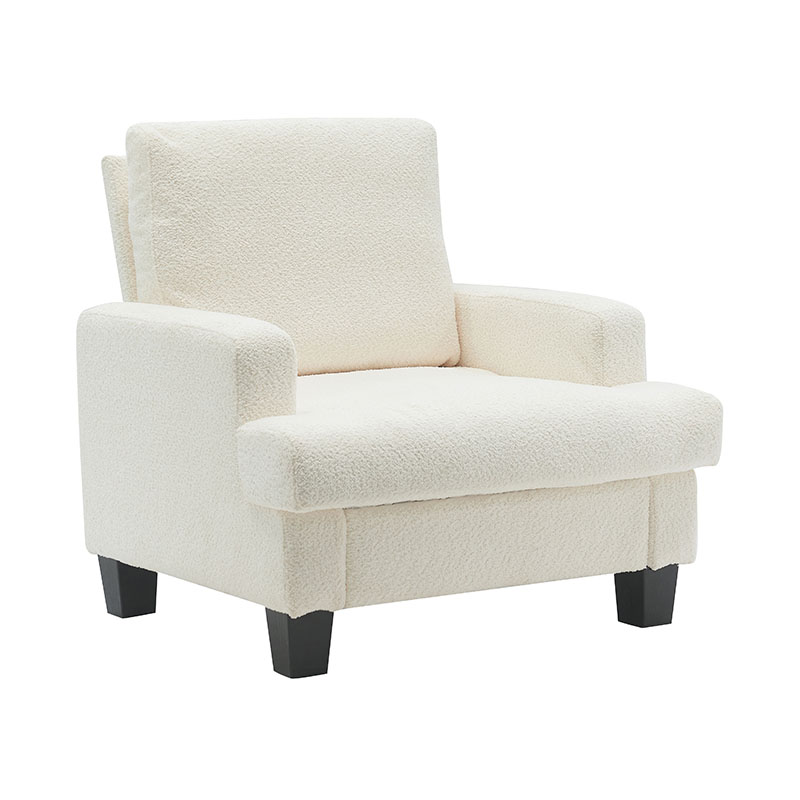
Texture matters as much as hue. Deep-pile velvet and teddy fabrics invite touch and soften angular rooms. A modern teddy velvet fabric sofa brings instant cosiness to a minimalist space. Smoother, flatter weaves like canvas or twill feel more structured and tend to look tailored in small apartments. The right balance between visual appeal and practical forgiveness is what separates a carefully chosen fabric sofa from an impulse buy that gets hidden under throws.
Construction that lasts underneath the fabric
The finest upholstery means nothing if the frame sags or the cushion cores collapse. A well-built fabric sofa combines a kiln-dried hardwood or engineered wood frame with a suspension system that distributes weight evenly. Sinuous springs and reinforced webbing are the standard; avoid frames that rely solely on webbing without any spring support.
Cushion construction splits into two camps: traditional foam-and-fibre wraps and full-foam cores. Full-foam cushions retain their shape longer and resist sagging, making them a reliable choice under heavily used fabric covers. Many modern modular designs use this approach to maintain crisp lines even after years of lounging. Browse our collection of fabric sofas to compare silhouettes, sit styles, and upholstery options side by side.