 0
0

 English
 简体中文
简体中文

Content
What "Full-Foam" Actually Means for Daily Comfort
Sit on a sofa for three years and you'll know exactly where everyone in your house likes to sit — the cushions tell the story. A full-foam sofa is built to avoid that outcome by skipping springs entirely. Instead, blocks of high-density polyurethane foam fill the seat, back, and arms as one continuous structure, so weight gets distributed across the whole cushion rather than concentrated on a handful of coils.
The number that actually matters here is density, not thickness. Foam rated below 1.8 lb/ft³ will compress and lose shape within a couple of years of regular use. Foam in the 2.0–2.5 lb/ft³ range holds its profile far longer, which is why most well-made full-foam pieces lean toward the denser end even though it costs more to produce.
Full-Foam vs. Spring Sofas: Which One Actually Lasts
Spring systems give a sofa a springy, traditional sit, and they've earned their reputation for sturdiness over decades of use in furniture. But springs are also mechanical parts, and mechanical parts wear: sinuous wires can loosen, coils can shift inside the upholstery, and repairs usually mean opening up the frame.
Full-foam construction removes that failure point. There's nothing to break or poke through fabric, and maintenance is mostly limited to rotating cushions occasionally. We've laid out the full trade-offs — including where springs still win — in our comparison of full-foam and spring sofa construction. The short version: if low-maintenance durability matters more to you than a bouncy sit, foam is the safer bet.
Matching Firmness to How You Actually Sit
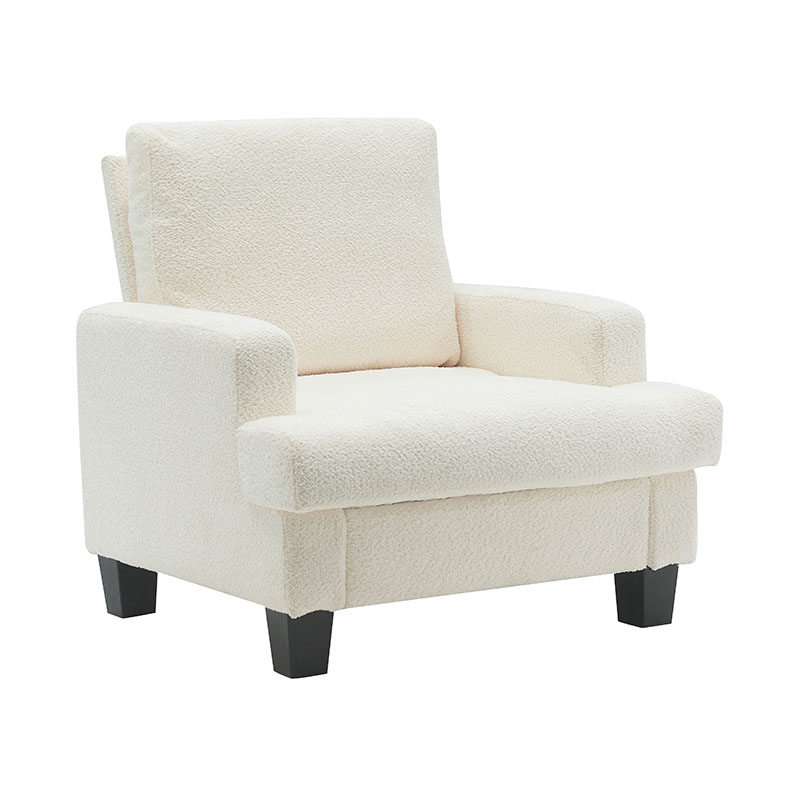
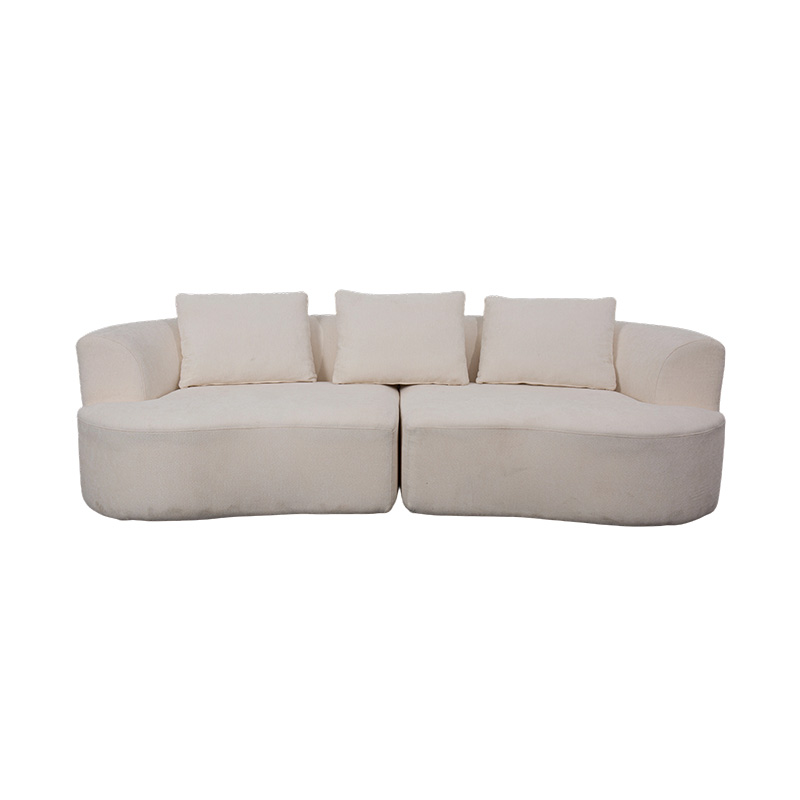
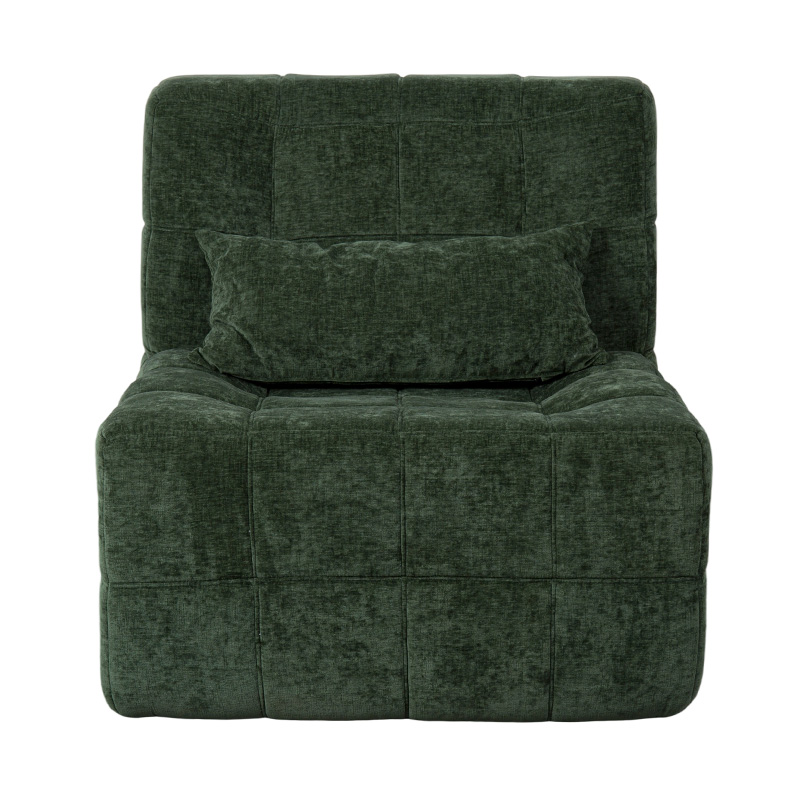
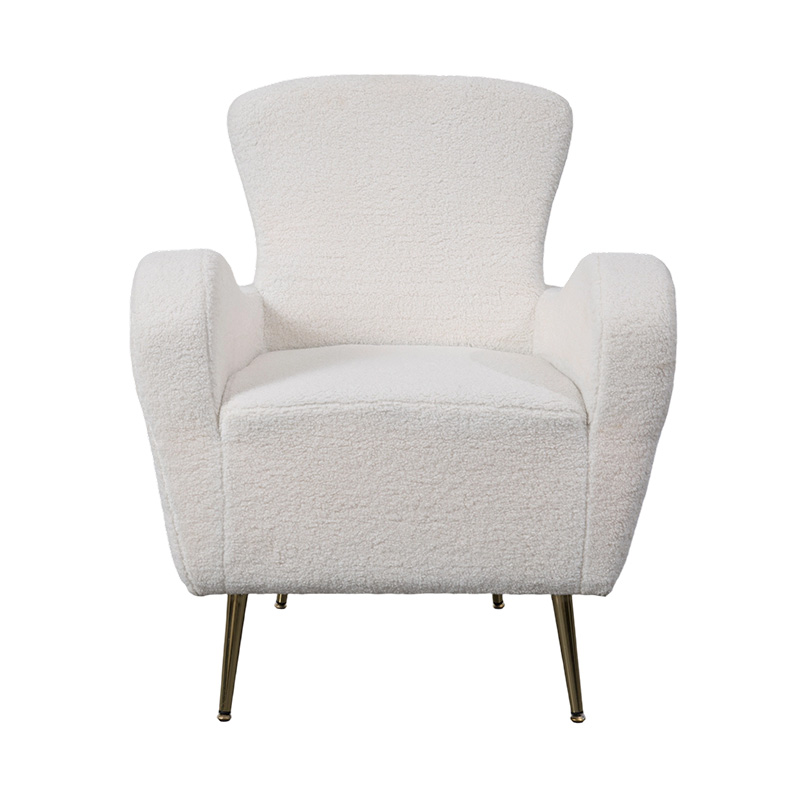
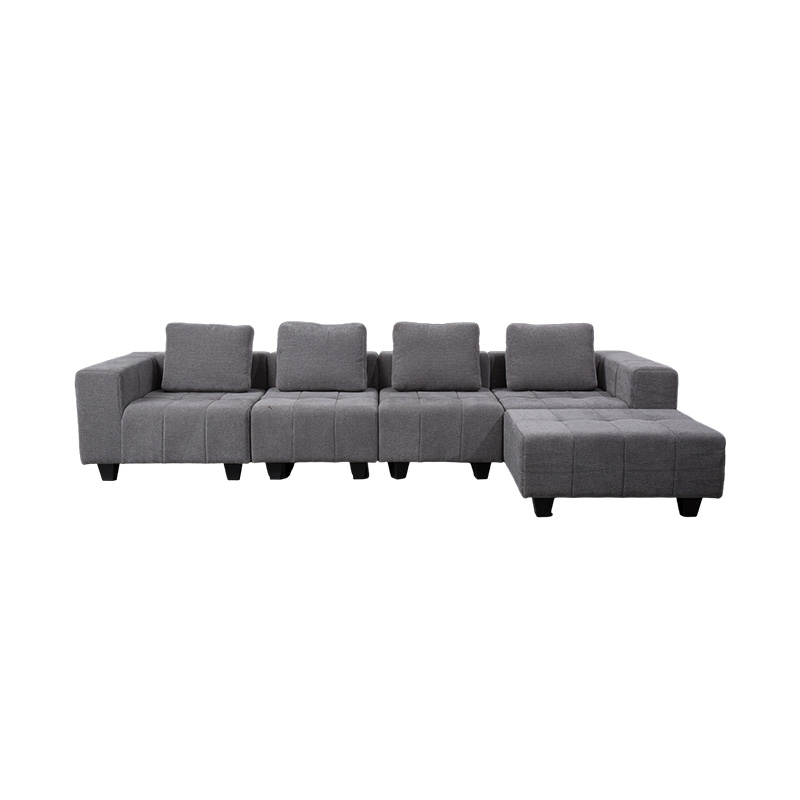
Not every full-foam piece should feel the same, and a good manufacturer varies the build based on how the furniture gets used. A deep L-shaped corner sofa built with full-foam modules needs firmer foam at the seat edge to support multiple people shifting position over a long movie night, while a single lounge chair can run softer since it's carrying one body weight at a time.
Sofa beds are their own category. A foldable full-foam sofa bed needs foam dense enough to stay flat and supportive once it's unfolded into a sleeping surface, not just comfortable as a couch. This is also where posture comes in — foam that's too soft lets the hips sink lower than the knees, which is the same mechanism we cover in our piece on how full-foam sofas support healthier sitting posture.
A Quick Checklist Before You Buy
Most of the disappointment with full-foam sofas traces back to skipping a few basic checks at the showroom or product listing stage. Before you commit, run through this:
- Ask for the foam density rating in lb/ft³ — sellers who can't provide it are usually using filler-grade foam
- Press the seat edge firmly for ten seconds and watch how fast it recovers; slow recovery means lower quality foam
- Check the frame material — kiln-dried hardwood resists warping better than softwood or particleboard
- Confirm the fabric's rub count if it's heavy-use seating, since the cover takes as much wear as the foam underneath
Manufacturers that run their own foam production tend to have tighter quality control over density consistency than those buying foam blocks from a third party. That's worth asking about directly, since it's the difference between a sofa that holds its shape for a decade and one that needs replacing in three years.