 0
0

 English
 简体中文
简体中文

Content
- 1 The Best Loveseat Sofa for Your Bedroom: What to Know Before You Buy
- 2 What Makes a Loveseat Different from a Regular Sofa
- 3 How to Measure Your Bedroom Before Buying
- 4 Fabric vs. Faux Leather: Choosing the Right Upholstery
- 5 Full-Foam Construction: Why It Matters for Bedroom Use
- 6 Style and Color: Making It Fit the Room
- 7 Three Questions to Ask Before You Purchase
The Best Loveseat Sofa for Your Bedroom: What to Know Before You Buy
Most bedroom sofas end up unused within a year — not because adding one was a bad idea, but because buyers picked the wrong size or the wrong style. A loveseat sofa fixes the bedroom seating problem better than an armchair or an end-of-bed bench, but only if you choose it carefully. This guide cuts through the noise and tells you exactly what to look for.
What Makes a Loveseat Different from a Regular Sofa
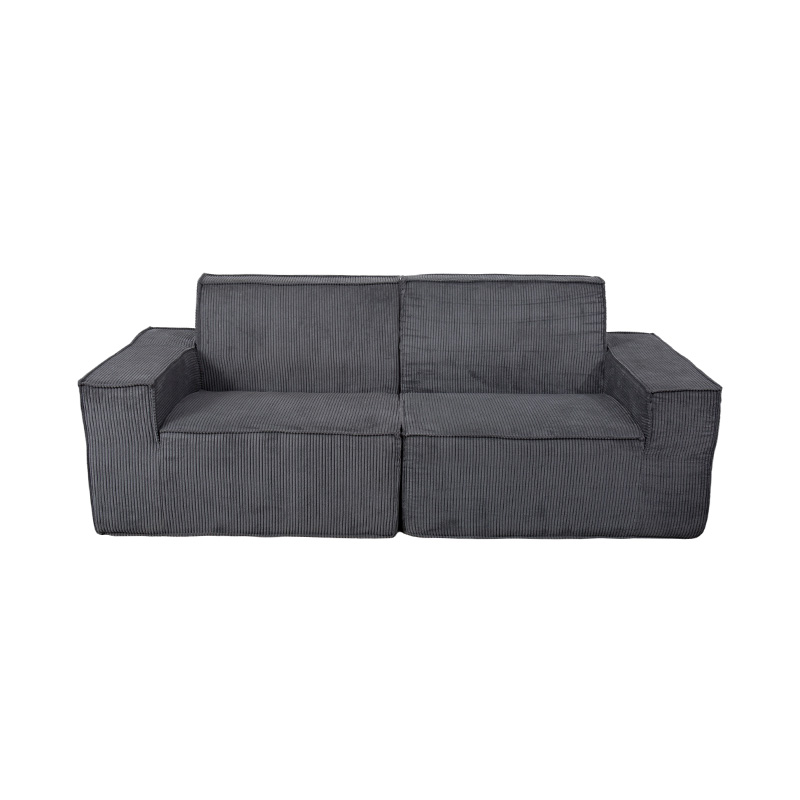
A loveseat is a two-seat sofa, typically 48 to 72 inches wide and around 28–36 inches deep. Compare that to a standard three-seat sofa at roughly 84 inches wide, and the difference becomes obvious. In a bedroom, where floor space is already split between the bed, wardrobe, and circulation paths, that size gap matters enormously.
A small couch for a bedroom does not need to seat three people. It needs to seat two comfortably — a reading spot, a morning coffee corner, an extra surface when someone visits. A loveseat hits that target without eating the room alive.
| Type | Typical Width | Depth | Best For |
|---|---|---|---|
| Loveseat / Small Couch | 48–72 inches | 28–36 inches | Bedrooms, studios, reading nooks |
| Standard 3-Seater Sofa | ~84 inches | ~38–40 inches | Living rooms, open-plan spaces |
How to Measure Your Bedroom Before Buying
Bedrooms under 150 square feet often cannot fit anything wider than 60 inches without creating a circulation problem. The rule of thumb: leave at least 24–30 inches of clear walking path on all sides of major furniture. Measure from the foot of the bed or a side wall, map out your traffic flow, then determine the maximum width and depth your couch can occupy.
Rooms that are oddly shaped — an angled wall, a bay window, a chimney breast — often suit a compact loveseat more naturally than any other seating option, since loveseats can tuck into corners and alcoves where a full sofa would never fit. Place it diagonally in a corner for a grounded, intentional look, or flush against a wall to keep the center of the room open.
Fabric vs. Faux Leather: Choosing the Right Upholstery
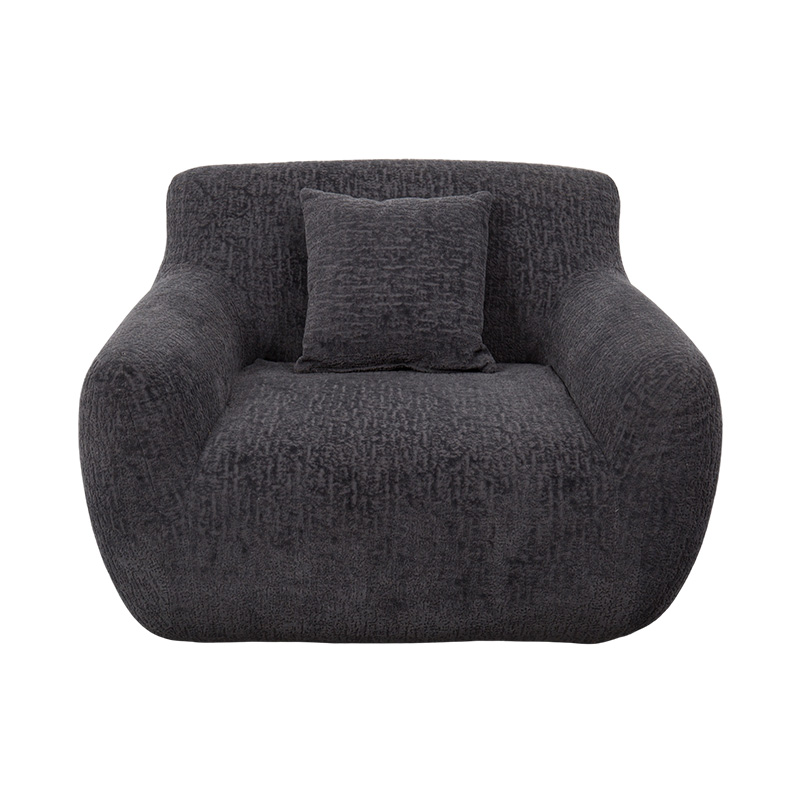
Material is the decision most people get wrong. For a bedroom specifically, fabric loveseats tend to feel warmer and quieter underfoot — important in a room designed for rest. Breathable textiles like linen, chenille, or teddy velvet are soft to the touch and do not retain heat the way leather can. They also blend naturally into bedroom aesthetics, complementing bedding, curtains, and rugs. The fabric sofa collection covers a range of textures, from plush velvet to structured linen, that work well in bedroom environments.
Faux leather sofas suit bedrooms where easy cleaning matters most — households with children or pets, or anyone who prefers wipe-down maintenance over fabric care. Faux leather wipes clean in seconds, resists staining, and holds its shape well over time. The trade-off is a slightly cooler, firmer sitting surface. For more detail on what distinguishes the two, the guide on faux leather sofa options and care is a useful reference.
Full-Foam Construction: Why It Matters for Bedroom Use
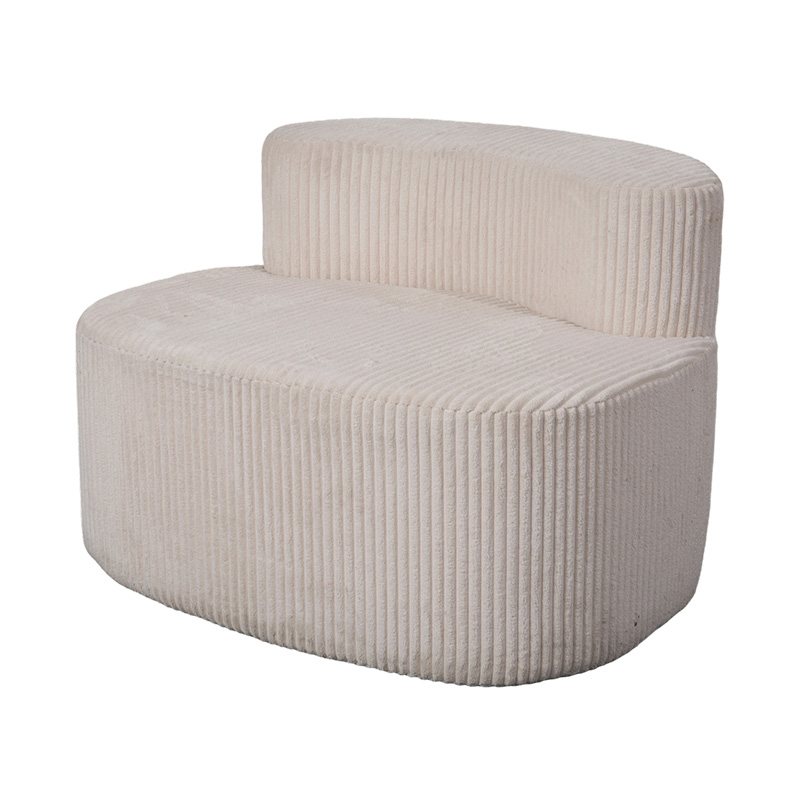
A bedroom sofa gets used differently from a living room sofa. You read in it, nap on it, or perch on it briefly before bed. That means cushion recovery and consistent support matter more than deep-sink softness. Full-foam construction — where high-density foam replaces traditional spring systems — holds its shape over years of light use, does not squeak or shift, and is naturally quieter, which suits a bedroom environment. Many full-foam sofa designs come in compact two-seat formats ideal for bedroom placement.
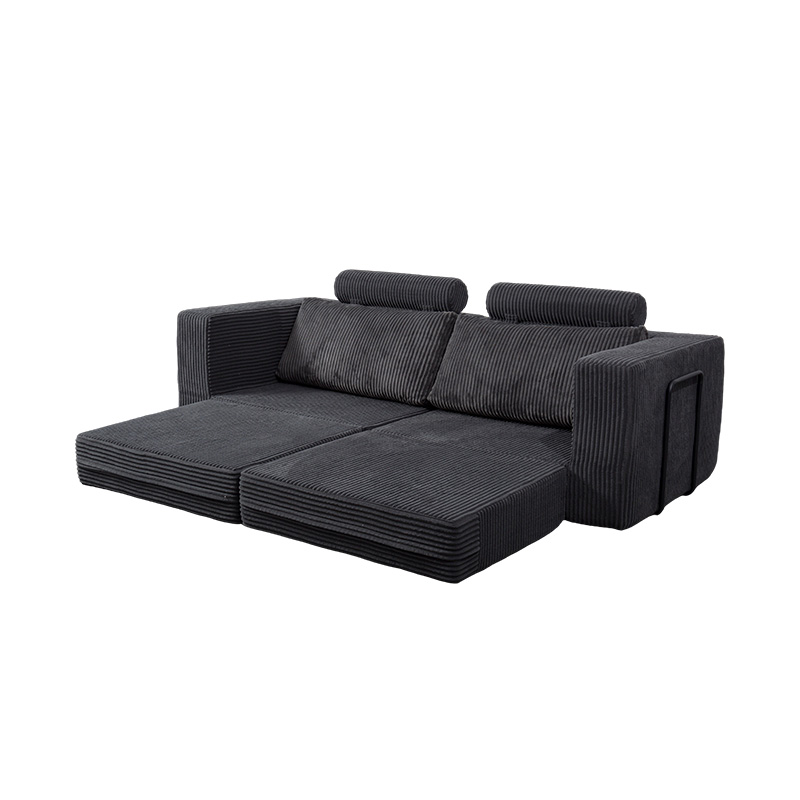
Some full-foam loveseats are also convertible — they fold flat to serve as a guest bed. If your bedroom doubles as an occasional guest room, this is worth prioritizing. A convertible loveseat eliminates the need for a separate sofa bed and keeps the room uncluttered when guests are not visiting.
Style and Color: Making It Fit the Room
A small couch for a bedroom should blend in, not compete. Neutral tones — cream, light gray, off-white, warm beige — keep the room feeling calm and spacious. If you want contrast, a single statement piece in a muted jewel tone (soft green, dusty blue, terracotta) adds character without visual noise.
The sofa's leg height and silhouette also affect the room's perceived size. Sofas with exposed legs and a low, streamlined profile visually lift the piece off the floor, making the room feel airier. Thick, boxy frames work better in larger bedrooms where they anchor the space rather than crowd it. Think about the style of your existing bedroom furniture and match the overall aesthetic — modern minimalist, Scandinavian, or classic — rather than choosing the sofa in isolation.
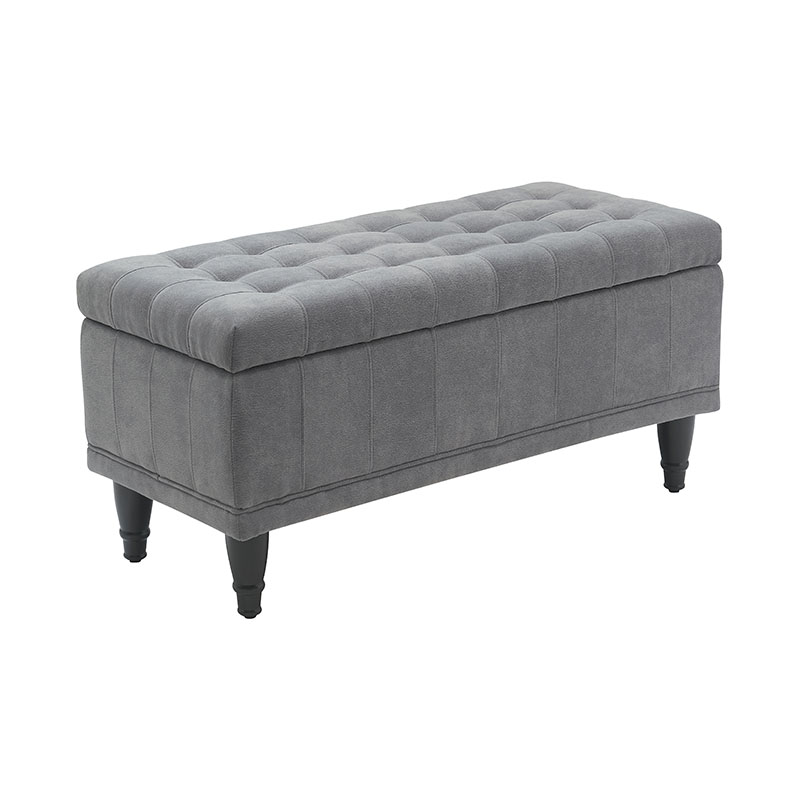
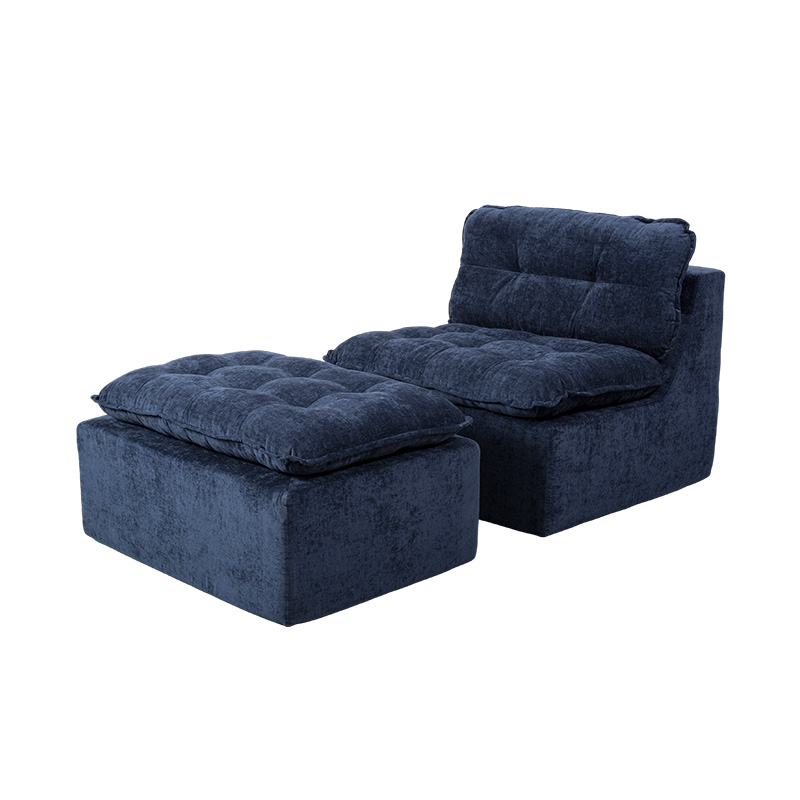
For added functionality near the bedroom, pairing a loveseat with a storage ottoman creates an instant reading corner with hidden organization for throws, books, or off-season items.
Three Questions to Ask Before You Purchase
- Will it fit through the door? Measure your bedroom doorframe before ordering. Most loveseats assemble in-room, but confirm this with the supplier.
- What is the seat depth? A seat depth under 20 inches tends to feel upright and firm — good for reading. Over 22 inches feels more lounge-like and may not suit a bedroom meant for quick use.
- Does the fabric work with your lifestyle? A plush teddy velvet looks beautiful but attracts pet hair. A tightly woven performance fabric resists staining and is easier to maintain.
A loveseat sofa in a bedroom is one of the highest-return furniture upgrades you can make — it converts unused floor space into a genuine seating zone and adds a layer of comfort that transforms how a bedroom feels. Get the size right, match the material to how you live, and the rest falls into place.