 0
0

 English
 简体中文
简体中文

Content
What Is a Full-Foam Sofa?
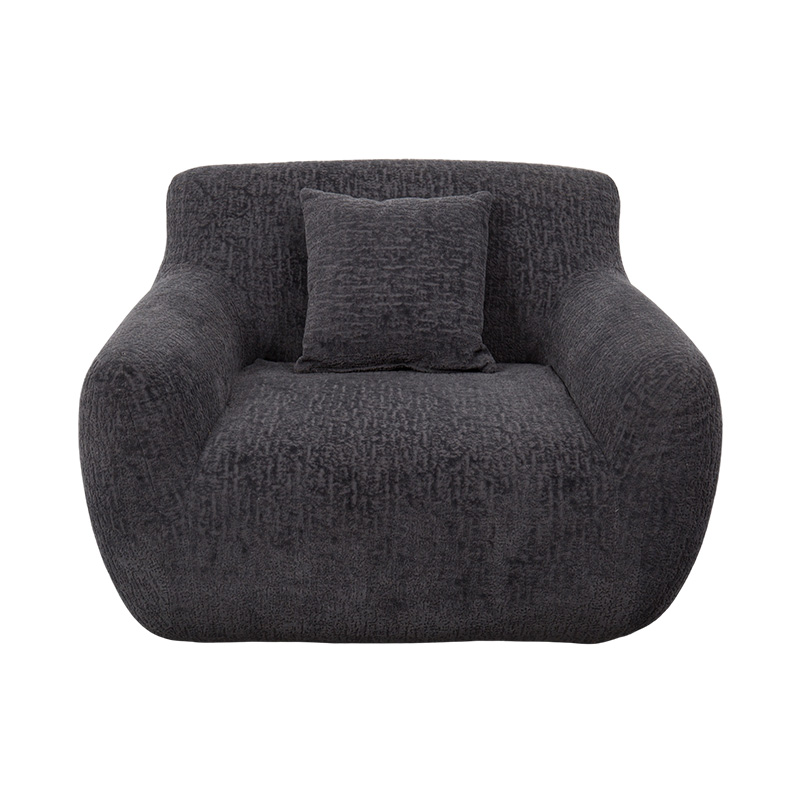
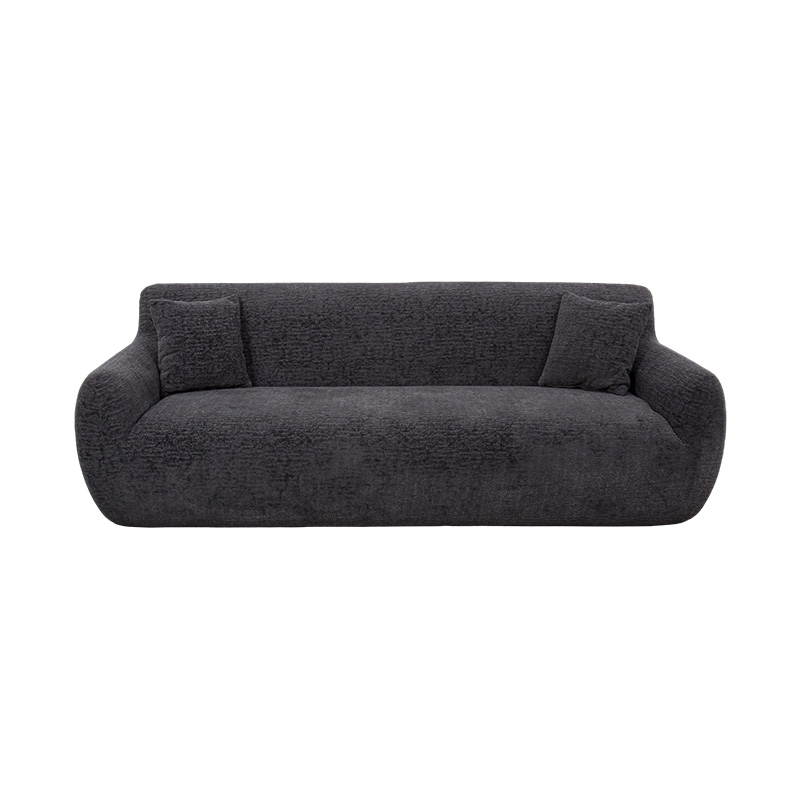
A full-foam sofa relies entirely on high-density polyurethane foam for its structure and seating support. There are no internal springs, sinuous wires, or webbing grids beneath the cushions. The entire seating platform is built from layers of foam—often a firm base layer topped with a softer comfort layer—shaped to contour the body.
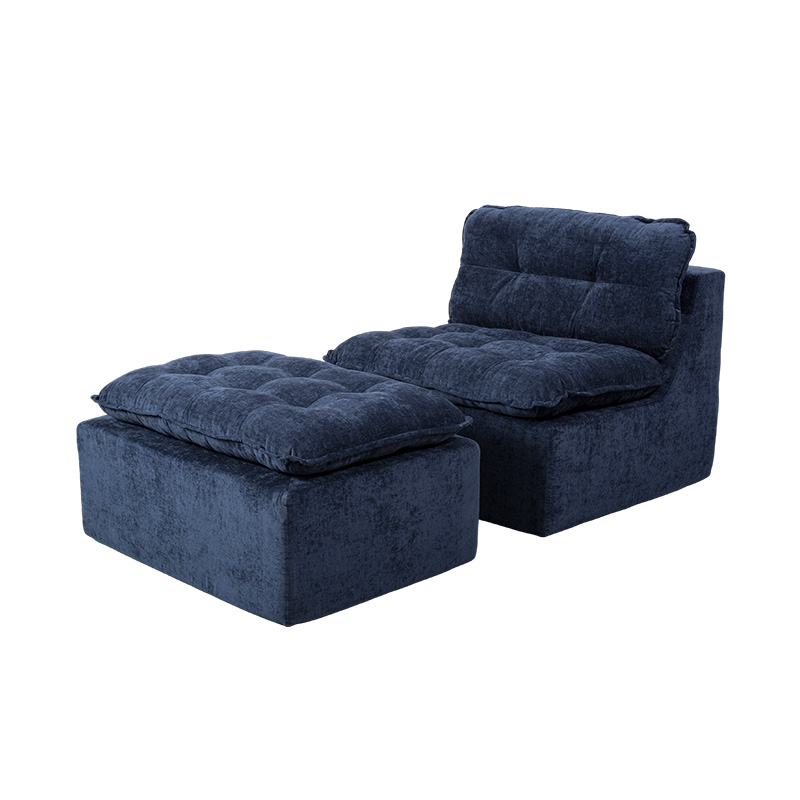
This construction makes the sofa noticeably lighter than a traditional spring frame, which simplifies moving, rearranging, and unboxing. Many modern modular and convertible designs use full-foam cores because they keep the weight down and allow precise shaping. The result is a clean, minimalist profile that fits open-plan living rooms, studio apartments, and guest bedrooms. why full-foam sofas are replacing spring sofas in 2026
Full-Foam vs. Spring Sofas: Which Lasts Longer?
Durability depends less on the type of support and more on the quality of the materials. A high-density full-foam sofa (with a foam density above 25 kg/m³) can outlast a poorly made spring sofa by years. Spring sofas often fail at the clips or grid wires; once a spring sags or a wire snaps, the seat loses support and may start to squeak. Full-foam sofas have no metal components to fatigue, so there is no risk of metallic noise or broken springs.
That said, low-density foam (below 20 kg/m³) will soften and collapse within two to three years of daily use, just like a cheap spring unit. Buyers who want a long-term investment should ask the manufacturer for the foam density specification and look for at least 25 kg/m³ in the seat core. For a deeper comparison, see full-foam vs spring sofa: which lasts longer?
Key Specifications to Check When Shopping
A well-made full-foam sofa is defined by a few measurable traits. Start with foam density, then look at resilience, fabric performance, and the dimensions that affect your daily comfort.
| Foam Density (kg/m³) | Typical Feel | Expected Durability | Best For |
|---|---|---|---|
| 20–24 | Soft, sinks in | 2–4 years | Guest rooms, light use |
| 25–30 | Balanced support | 5–8 years | Daily family seating |
| 31+ | Firm, resilient | 10+ years | Heavy use, commercial settings |
Fabric Choice and Upholstery Wear
The outer layer matters as much as the foam inside. Jacquard chenille and performance velvet offer high rub counts (look for 50,000+ Martindale cycles) and resist pilling. Cotton-linen blends breathe well but may require quicker spot cleaning. Darker, textured finishes hide everyday soiling better in busy households.
Seat Depth and Height
A seat depth of 55–65 cm suits most adults; anything deeper may require extra lumbar support. Seat height around 45 cm allows most people to plant their feet comfortably. Test these numbers against the height of your primary users before ordering.
Best Use Cases for a Full-Foam Sofa
The lightness and adaptable shape of a full-foam sofa make it an excellent fit for several specific living setups.
- Small apartments and frequent movers: Modular full-foam units break into manageable pieces that fit through narrow hallways and stairwells. They can be reconfigured as your layout changes.
- Multi-purpose rooms: A convertible full-foam sofa bed with cushions gives you an instant guest bed without the weight of a metal pull-out mechanism. The foam surface stays consistent when folded flat.
- Home theaters and open-plan living: L‑shaped full-foam sectionals create generous lounging zones without the hollow tinny sound that sometimes comes from spring frames.
How to Maintain a Full-Foam Sofa to Prevent Sagging and Stains
Simple habits can double the usable life of a full-foam sofa. Rotate and flip the seat cushions every two to three weeks so that the foam compresses evenly. Avoid placing the sofa in direct sunlight; UV exposure speeds foam degradation and fades upholstery.
For spills, blot immediately with a clean, dry cloth. Use a water-based fabric cleaner only on the affected area, never soak the foam, and always test on a hidden spot first. Deep cleaning that saturates the foam can cause internal mold and loss of resilience. Consistent care not only preserves appearance but also maintains the seating support discussed in how full-foam sofas support healthy sitting.
Should You Buy a Full-Foam Sofa?
A full-foam sofa suits buyers who prioritize a quiet, flexible seating experience and are willing to verify the foam grade. If you hate the sound of creaking springs and want a lighter, modular design, a high-density full-foam model is a smart long-term choice. For those who strongly prefer a pronounced bounce or have difficulty rising from a firmer surface, a quality spring sofa may feel more familiar.
The decision comes down to the specifications, not the category. Check the density, confirm the fabric rub count, and follow a simple care routine. A well-chosen full-foam sofa will hold its shape through years of daily use without squeaks or sags.